


 Shkruar nga Ilir Çumani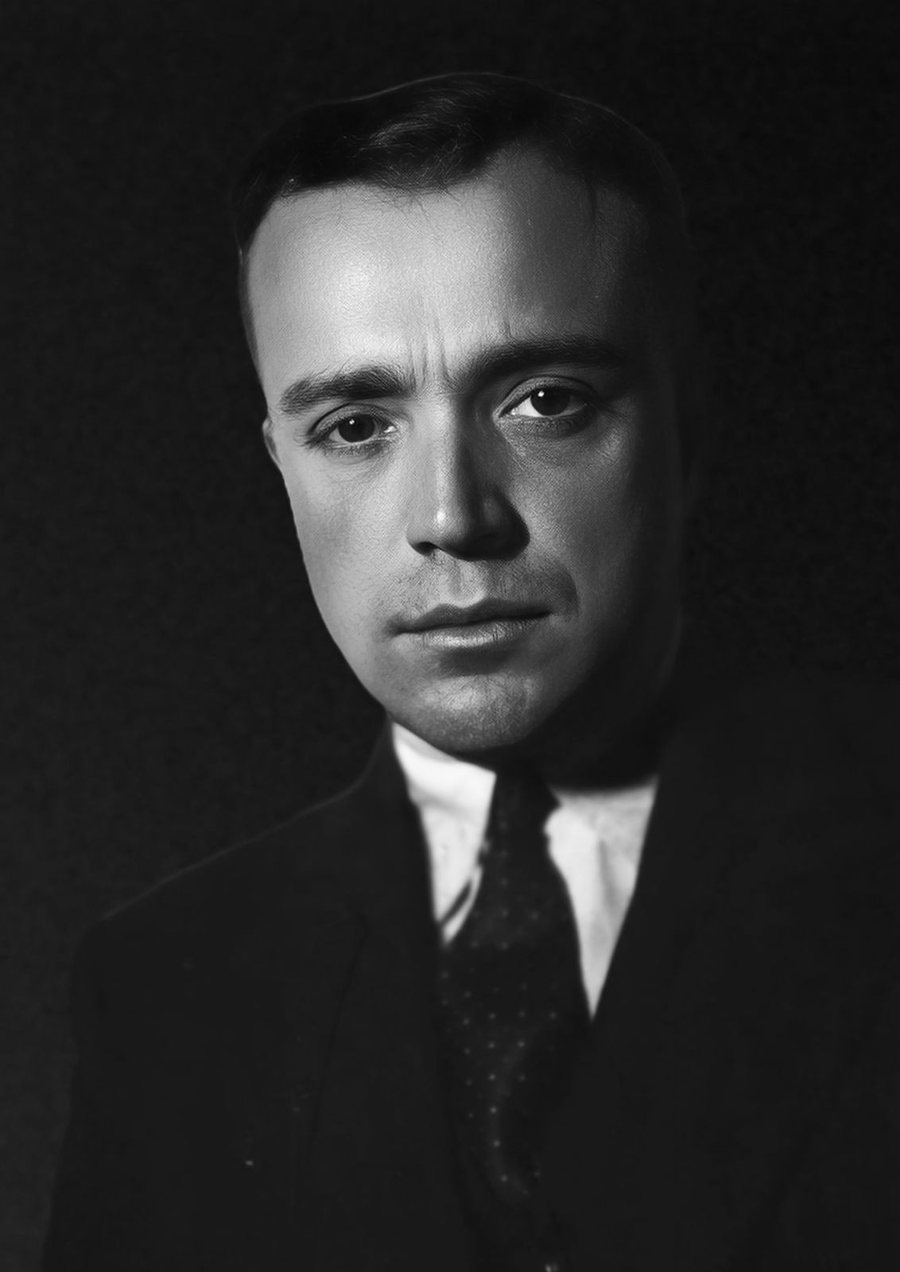
Ibrahim Biçakçiu was one of the victims of this political strategy, and under these circumstances, he was declared an "enemy", and his life was divided into two: a half-birth in the auditoriums of Vienna, and a sunset in the dark cells of Burrel.
There are lives that are like masterpieces violently interrupted, they begin with light, flourish with knowledge and work until triumphant battles, and then, as on an absurd theater stage, collapse into the silence of shame imposed by history.
One of these lives is that of Ibrahim Biçakçi, a sucker of a patriot family, the son of Aqif Pashë Biçakçi, the man who raised the flag of the new Albanian state at the Lushnja Congress.
Ibrahim Biçakçiu, raised among the libraries of Vienna, among the auditoriums where the professor's words had the weight of a boulder, possessed four languages and a Western horizon that could be an asset to the nation.
He returns to Albania with new knowledge, with dreams of development, managing wealth, building industry, and cultivating knowledge in the field of economics and trade.
A true gentleman, who belonged not only to his family, but to the entire country.
But, alas, post-war Albania had no place for gentlemen. There was only room for silence, for obedience, for shackles...
And as happened with many individuals from the nation's elite, Ibrahim Biçakçiu also fell into the vortex of "special trials", where sentences were not given by law, but by the blindness of collective hatred, shaped by the infamous Latin slogan: "divide et impera", which in Albanian means: "divide and rule".
This is a diabolical tactic of autocratic and oppressive regimes, which indicates a political and social strategy of an authority that can control and govern a people more effectively by dividing it into several parts, provoking rivalries and inciting discord within it...
All of these tactics of autocratic regimes aim to maintain power, by creating divisions and disagreements within a group or population, and to prevent them from uniting against the dominant authority.
Ibrahim Biçakçiu was one of the victims of this political strategy, and under these circumstances, he was declared an "enemy", and his life was divided into two: a half-birth in the auditoriums of Vienna, and a sunset in the dark cells of Burrel.
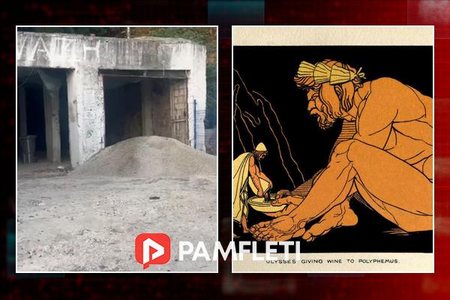
After the difficult years of prison, when he emerged broken but not humble, his fate was sealed with a bitter irony: from being the Prime Minister of Albania, he became a cleaner of public bathrooms in Elbasan.
The rubber boots and the broom in hand were grotesque echoes of a national tragedy.
The man who spoke German, Italian, Turkish, and English now bent over backwards to clean up the filth imposed by a regime that feared knowledge, dignity, and memory.
But within that soul, his mastery and nobility never died.
Relatives recount that as soon as he returned home, he would wash his hands, change, apply perfume, wear a tie, and immerse himself in books, in an eternal dialogue with the vast world of knowledge that they never managed to close its doors.
Even though the communists demoted him from the political tribunes to the slats of public bathrooms, he remained high in spirit, preserving that nobility that no one could humiliate.
The saga of Ibrahim Biçakçi is a mirror where we see our national wound: Albania killed its most learned sons, humiliated men who could have been pillars of a modern state, made them cemetery guards, bathroom cleaners, and innocent prisoners.
It is our dark history, where the lights of thought and knowledge were extinguished in cells and melted into the mud of oblivion.
Today, when we remember this figure, we do not just remember an individual, but we remember an era, a nation that turned its back on itself for decades.
In truth, that broom that Ibrahim Biçakçiu was holding in his hand was not just a tool for an ordinary job.
It was the great metaphor of a time when they cleared from the stage every memory, every name, every figure that could remind Albanians that this country once had gentlemen, bright minds, and free spirits.
And yet, his story remains like a tombstone that does not allow for oblivion.
Ibrahim Biçakçiu, the prime minister who was sentenced to cleaning toilets, remains living proof of the absurdity and our national tragedy.
In his memory, we see not only a great man fallen, but also an entire nation that fell to its knees, and which still today seeks to rise again...




Lini një Përgjigje