


 Shkruar nga Mero Baze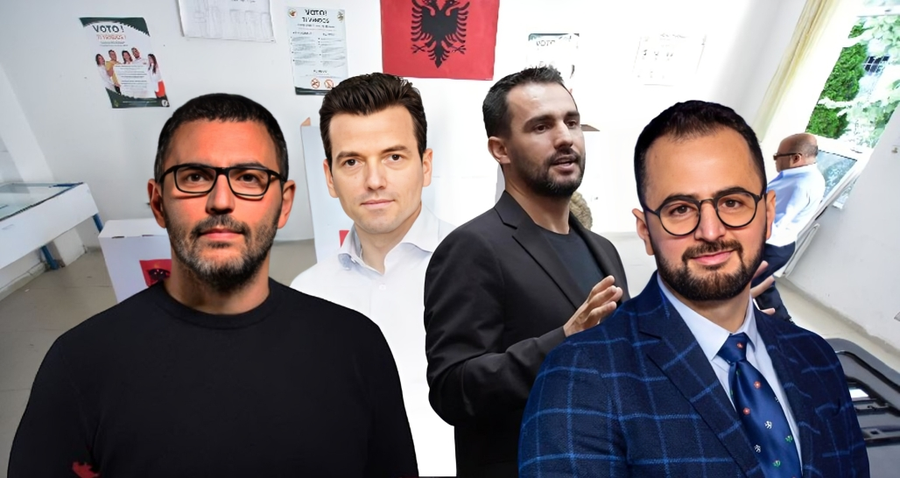
This is the longest-lasting system that Albania has had in parliamentary elections.
Three new parties that entered the race in the May elections managed to enter Parliament by taking a total of 4 mandates, while they have collected about 135 thousand popular votes throughout the country. The distribution of mandates also does not follow the majority rule. Agron Shehaj has taken 2 mandates, while Lapaj and Qorri have one mandate each.
Beyond the low number of mandates, their result is encouraging and a real success of these elections, as to date only two parties have been able to break the siege of the two major parties: LSI in 2005 and Doshi's party in 2021.
Of these, 3 parties are more clearly positioned politically. Arlind Qorri has a clear profile of the populist left that already exists as a consolidated current throughout the West, and Agron Shehaj as a center-right party similar to the DP.
The “Albania Becomes” coalition formed by Lapaj with Endri Shabani’s “Thurje” Initiative received the most votes together, but they are still without a clear political position. Lapaj with his party is a populist without substance, while the Thurje Initiative is closer to a centrist party. Lapaj’s personalization of the coalition is unrealistic and does not justify the high tones of his complaint against the system.
Everyone, individually, should be happy about the fact that they entered the Assembly and be more restrained from the "victimization" they are trying to do because of the system. If it weren't for this system, they would all be outside the Parliament.
There is no such thing as a bad electoral system. All systems have their drawbacks. When you enter the race, you know what system you are competing with, and the rules don't change along the way.
This is the longest-lasting system that Albania has had in parliamentary elections.
In 1991 we ran with a pure majoritarian system and the Labor Party won with 2/3 of the votes. In 1992 we ran with perhaps the best system in the history of Albania, which essentially corrected the result to national proportional representation, but had majoritarian competition in 100 zones.
From 1996 to 2005, we did the opposite: a system with majoritarian correction in 40 zones and 100 direct competition zones.
In 2009, this regional proportional system was implemented, which is always criticized by those who lose. This is how Ilir Meta attacked it in 2009, but then he found comfort with it and praised it. This is how Edi Rama attacked it after the 2009 defeat, but then he adapted to it. This is how young people are attacking it in these elections.
Të gjitha sistemet e mëparshme deri më 2009 e kanë pasur pragun e hyrjes në Kuvend 4 për qind kur ishte korrektimi proporcional kombëtar dhe 3 për qind kur ishte korrektimi kombëtar mazhoritar, çka do të thotë se sot, me ato sisteme, këto partitë e reja nuk do të ishin fare në Parlament. Prandaj, gëzojuni këtij sistemi fillimisht që ju ka hapur dyert. Para se të sulmojnë sistemin, partitë e reja duhet të shikojnë se si të përfitojnë prej tij.
Në vitin 1992, Partia Republikane mori 3.9 për qind të votave në shkallë vendi, por nuk hyri dot në Kuvend, kurse Partia Socialdemokrate e Gjinushit mori 4.1 dhe hyri në Kuvend me 6 deputetë, pasi rezultati korrigjohej në proporcional kombëtar. Nuk besoj se ka padrejtësi më të madhe formale se kjo për dy parti thuajse njësoj me peshë elektorale, por ja që e vendos sistemi.
Fjala vjen, Sali Berisha ka dalë bllof me aleancat që ka bërë me parti inekzistente. I ka dhënë Ilir Metës 4 mandate të sigurta për 8 mijë vota. Pra, Partia e Lirisë ka marrë një mandat me 2 mijë vota. Mediu, Idrizi, Dulja apo Duka e kanë marrë ndoshta dhe me 1 mijë vota. Sali Berisha me 500 mijë vota sot ka 42 deputetë të partisë së tij, pikërisht pse ka bërë aleanca të gabuara dhe nuk ka vlerësuar fuqinë reale të partive të reja.
Tani mund të fillojë edhe ai të ankohet për sistemin, që e ka bërë vet, por është vonë. Ky sistem të imponon aleanca dhe përqendrim në qarqe të caktuara. Tom Doshi është më i qarti në këtë pikë. Ai investohet në Shkodër dhe Tiranë dhe ja del të marrë me më pak vota më shumë mandate. Kurse nëse s’ke as gjeografi, as profil politik por vetëm patriotizëm, natyrisht do marrësh vota gjithandej e mandate askund.
Ndryshimi i sistemit do jetë një betejë e vështirë, ndoshta edhe e pamundur, por korrigjimi i tij – sidomos kjo e listës 30 për qind të mbyllur dhe 70 për qind e hapur – është betejë e mundshme. Ajo ose duhet të bëhet e gjitha e mbyllur, ose e hapur me një herës më të ulët se ai i zgjedhjeve të vitit 2021.
Por këto janë probleme që i përkasin reformës së re zgjedhore, në të cilën partitë e reja nuk kanë aq fuqi imponuese. Deri atëherë duhen pritur zhvillimet në PD dhe ndarjet e mundshme që mund të ndodhin brenda partisë më të madhe opozitare, e cila po shkon drejt degradimit, për të krijuar një aleancë që mund të dialogojë me PS për reformimin e sistemit.
Arroganca dhe të vetëndjerit të persekutuar nga sistemi nuk të bën më të suksesshëm. Sukses do të kenë ata që do të vazhdojnë të çajnë partitë e mëdha, duke krijuar një profil real politik, të qartë kë përfaqësojnë dhe të besueshëm në opozitën që bëjnë.
The three new parties cannot come together, as they are different. Qorri and Shehaj are clearer in their political profile. One seeks to erode the SP, the other seeks to erode the DP. Lapaj and Shabani are together in a coalition, but they are not the same. One is a pathetic populist, the other a rational academic profile, but not popular. So, before they claim that they will make Albania, let them each start making the party once.




Lini një Përgjigje