


 Shkruar nga Angela Mauro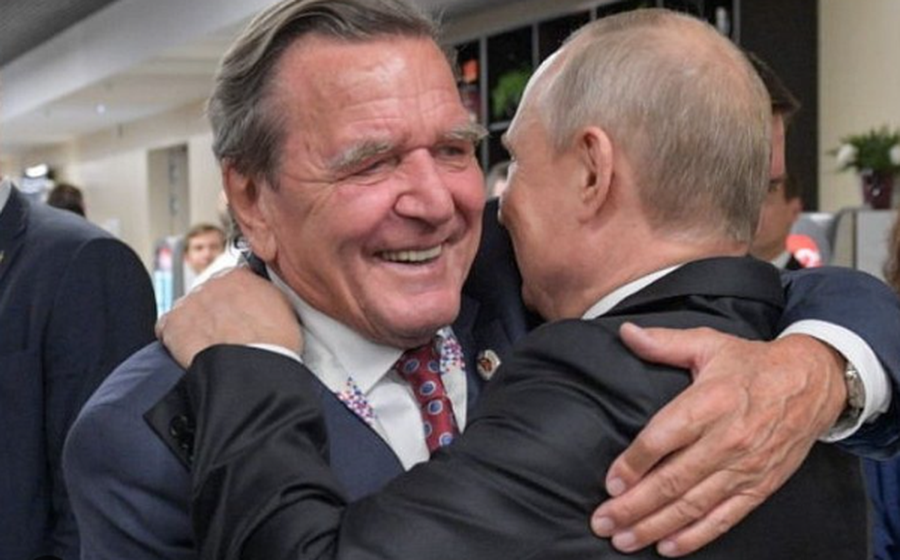
Germany rejects Kremlin's idea of negotiating with former German chancellor, who had roles in Russian energy sector. Meanwhile, debate is re-opening among 27 EU countries over who to send to Moscow. But who? Angela Merkel, Mario Draghi or Finland's Sauli Niinistö?
"We are aware of these statements," which "are part of a series of false offers" from Russia, the German government said, according to AFP. Germany is the first EU country to reject Vladimir Putin's idea to appoint former German Chancellor Gerhard Schröder as a mediator in future negotiations between the EU and Russia to end the war in Ukraine.
The reason Berlin says "No" is the same reason the Kremlin proposes Schröder: after ending his term as chancellor in 2005, the German Social Democratic politician held senior positions in the Russian energy sector, from Gazprom to Rosneft.
So he is a friend of Russia, even though he condemned the invasion of Ukraine. For Germany and the EU, he remains a nebulous and controversial figure. So the man who will be sent to Moscow will not be him. However, the issue is back on the European agenda.
"At the right moment we will be ready to talk to Russia to address issues related to our common security," European Council President Antonio Costa recently declared on Europe Day.
On the other hand, Putin declared during the “Victory Day” celebrations over Nazism that Russia “has never refused” talks with the EU. Costa also spoke to Zelensky on the phone. In fact, the Ukrainian president had proposed that the EU “speak with one voice with Putin” at the European summit in Cyprus on April 24.
In the background now is the detail - not a small one - of the three-day ceasefire announced by Moscow and Kiev due to the May 9 celebrations. But it has been repeatedly violated and it seems that peace negotiations may soon resume.
Donald Trump's envoys, Jared Kushner and Steve Witkoff, are expected in Moscow soon. And this time, the EU does not want to be left out. It wants its place at the table. That is precisely why Costa's statement, welcomed by Putin, comes from.
But who will sit on the EU's behalf to negotiate between Russia and Ukraine? And will it represent just the European Union, or also Canada and the UK - non-EU countries with which cooperation on defence matters has been strengthened?
Earlier this year, Europeans tried to open up this debate after Finnish President Alexander Stubb floated the idea. Although he is a friend of Trump and shares his passion for golf, Stubb cannot be accused of being close to the Kremlin because of his nationality.
Finlanda, me mbi 1300 kilometra kufi me Rusinë, është ndër vendet më të alarmuara nga kërcënimi rus. Ideja e tij për të emëruar një të dërguar evropian për të folur me Putinin u mbështet nga kryeministri spanjoll Pedro Sanchez dhe gjithashtu nga Giorgia Meloni, e cila foli për këtë në janar.
Propozimi pëlqehet edhe nga presidenti francez Emmanuel Macron, i cili në fillim të shkurtit kishte dërguar emisarët e tij në Moskë për të organizuar një takim me Putinin. Nisma franceze rikujton përpjekjet që Macron bëri edhe para pushtimit rus të Ukrainës: kontakte dhe telefonata mes Elizesë dhe Kremlinit për t’i dhënë Francës një rol diplomatik në emër të gjithë BE-së.
Megjithatë, në atë kohë, lëvizja e mbështetur edhe nga ish-kryeministri italian Mario Draghi, u bllokua nga presidenti amerikan Joe Biden, i cili vendosi të ndiqte një përplasje të plotë me Rusinë.
Ndërsa në fillim të këtij viti, përpjekja evropiane për të emëruar një emisar për Kremlinin u mbulua nga lufta izraelito-amerikane kundër Iranit, që shpërtheu më 28 shkurt. Që nga ajo kohë, çështja ukrainase ka kaluar në plan të dytë dhe dështimi i Trumpit - i cili mendonte se do ta bindte Putinin për paqe që vitin e kaluar - është bërë më pak i dukshëm, të paktën në media.
Debati evropian mbi të dërguarin është pezulluar. Në shkurt, Macron dhe Ursula von der Leyen e diskutuan çështjen në një takim midis tyre në Paris. Profili i të dërguarit ende nuk është përcaktuar, por me siguri nuk do të jetë një person që mban aktualisht ndonjë post qeveritar.
Më shumë preferohet një ish-kryeministër apo ish-udhëheqës. Schröder, i cili nuk ka komentuar deklaratat e Putinit, është jashtë loje. Por mund të jetë jashtë loje edhe Angela Merkel. Sipas disa burimeve, ish-kancelarja nuk do ta pranonte një rol të tillë.
Për më tepër, edhe Merkel konsiderohet shumë pranë Moskës. Jo vetëm sepse flet rusisht, gjë që do ta ndihmonte në një rol të mundshëm ndërmjetësues, por edhe për marrëveshjet energjetike që negocioi me Rusinë, si Nord Stream dhe Nord Stream 2, me këtë të fundit që nuk hyri kurrë në funksion për shkak të kundërshtimit amerikan dhe pushtimit rus të Ukrainës.
Kështu rikthehet në diskutim edhe emri i Mario Draghit, i cili po ashtu tentoi një qasje ndaj Moskës në fillim të konfliktit. Por ish-kryeministri italian, autor i një raporti mbi konkurrueshmërinë që ka mbetur kryesisht i pazbatueshëm për shkak të reformave të vështira për shumë vende anëtare, nuk gëzon shumë simpati mes 27 vendeve të BE-së.
“Ai nuk mund të jetë kandidat për gjithçka…” - shprehen disa burime evropiane me një farë bezdie. Një tjetër emër që qarkullon është ish-presidenti finlandez Sauli Niinistö, autor i raportit mbi mbrojtjen evropiane.
His nationality reassures the Baltic and Nordic countries, which are among the most anti-Russian in the EU. This is a debate that the EU is preparing to open under pressure from Eurosceptic parties. “Europe must not leave Putin’s opening unanswered. After 4 years of war, deaths and sanctions, diplomacy must be restored,” said a statement from Matteo Salvini’s Italian LEGA party.
But the highlight was Slovak Prime Minister Robert Fico, the only European leader to attend Saturday's military parade in Red Square. Fico also held a lengthy bilateral meeting with Putin.
"The lack of a full political dialogue is a big mistake," he declared on Sunday after returning from Moscow. "The European Union is limited only to imposing sanctions, which in fact only strengthen Russia's self-sufficiency in various sectors. The EU's desire to completely cut off Russian energy harms European competitiveness. You cannot replace one energy dependence with another, for example with that of the US. Moreover, this would cost us more. I consider high energy prices as a tax that citizens are paying for the EU's ideological and mindless obsession with Russia," Fico added.
The more the EU postpones the discussion about its envoy to Putin, the more this issue becomes a propaganda ground for Eurosceptics, which suits Donald Trump, who shows no interest in having a European representative in negotiations with Moscow. On the contrary, he has always tried to exclude the EU. /Pamphlet from “Huffington Post Italia”


Lini një Përgjigje