


 Shkruar nga Diplomatico | Pamfleti.net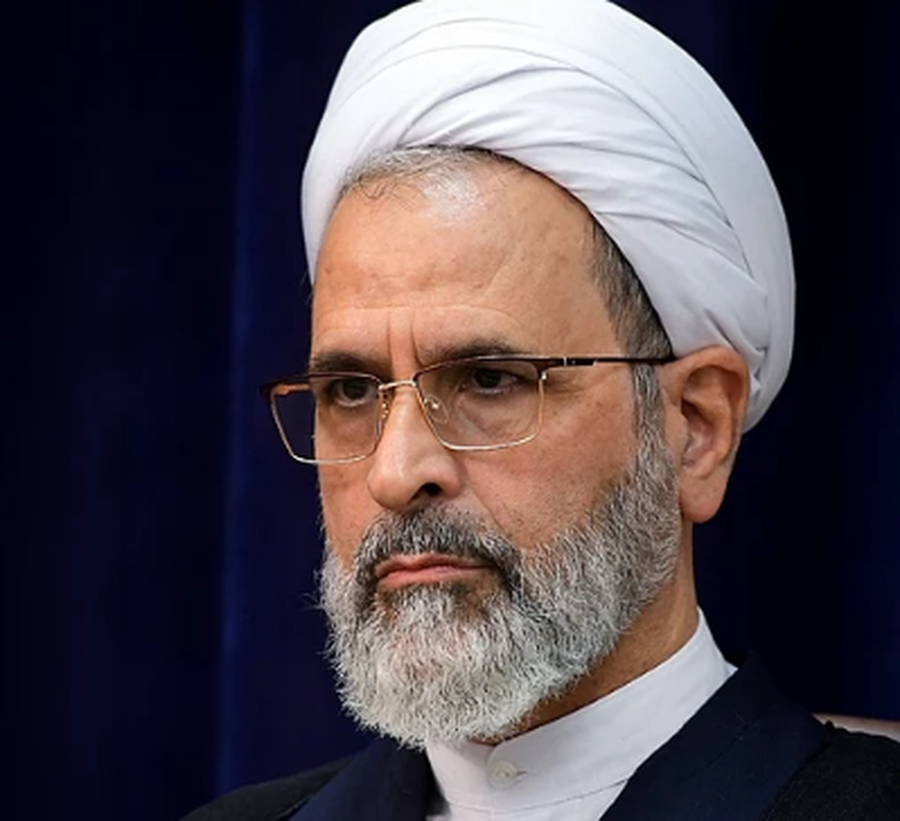
The coup that shook the Middle East: After the assassination of Khamenei, the battle for the throne of Tehran has begun...
Tehran activates the constitutional transition mechanism after the elimination of the Supreme Leader; the region faces a critical moment with unpredictable consequences.
The assassination of Iran's Supreme Leader, Ali Khamenei, in joint US-Israeli attacks marks one of the most shocking developments in the Middle East in recent decades.
The confirmation of the news by Iranian state media and reports by international agencies have introduced the Islamic Republic into a new phase, previously unexplored since 1989, when Khamenei took over after the death of Khomeini.
For the first time in over three decades, the Iranian political system is functioning without the figure who has been its ideological, military, and institutional axis.
According to the mechanism provided for by the Iranian Constitution, in the event of the Supreme Leader's absence, his powers are temporarily transferred to a council composed of the president, the head of the judiciary, and an elected religious jurist. In this context, Alireza Arafi has also been included as a jurist member of the leadership council, with a role in temporarily exercising the functions that belonged to the supreme leader.
This is not an appointment as a final successor, but a transitional solution until the decision of the Assembly of Experts, the constitutional body that will elect the new leader.
The implications are multiple. Domestically, the Revolutionary Guard and the religious establishment will try to maintain institutional stability and avoid any power vacuum. Abroad, regional dynamics are expected to become more tense. Iran has been a key player in Iraq, Syria, Lebanon, and Yemen; any uncertainty at the top of the pyramid could directly affect the architecture of alliances and the balance of power in the region.
On the other hand, the direct involvement of the US and Israel in the operation risks plunging the Middle East into a new cycle of escalation. Tehran's reaction, whether directly or through its allied actors, will be the first test of the interim leadership.
Domestically, the key question remains who will replace Khamenei. Various names have long been circulating in Iranian political circles, but the formal process requires consensus within the religious elite and the support of the security structures. Until then, the role of Arafat and the interim council is to guarantee the continuity of the state and avoid any perception of weakness.
Iran thus enters a new chapter, where the transition is not merely institutional, but potentially transformative for the very nature of the regime. For the region and the world, the question is not just who will succeed Khamenei, but whether this blow will further radicalize the system or open a phase of strategic recalibration. At this historic moment, every move by Tehran will be read as a signal for the future of global balances./ Pamphlet


Lini një Përgjigje