


 Shkruar nga Pamfleti
Debate over fuel prices, corruption and EU integration increases tensions and the risk of political escalation
The political clash in Albania between Prime Minister Edi Rama and the leader of the Democratic Party, Sali Berisha, is entering a deeper phase with wider consequences for the institutional stability and strategic direction of the country.
Tensions are no longer limited to routine political debates, but are extending to key issues such as fuel prices, corruption allegations, and the European Union integration process. These elements are interwoven into a polarized climate that is also affecting perceptions of institutional credibility.
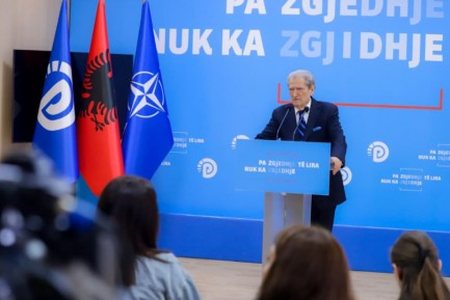
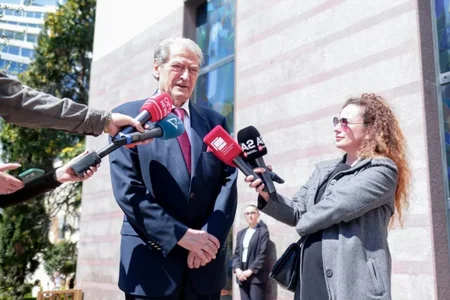
Sali Berisha, in a public message to his supporters, accuses the government of increasing fuel prices, arguing that the fiscal burden constitutes about 60% of the final price. He considers the government's intervention in excise duties insufficient and calls for a significant reduction in taxes to ease the pressure on citizens and the agricultural sector. Berisha also links the economic situation to the political one, attributing responsibility for the obstacles in the European integration process to the government and citing cases that, in his opinion, damage the country's credibility, according to an analysis by the Independent Balkan News Agency.
At the same time, Berisha adds a geopolitical dimension to the debate, accusing the prime minister of rapprochement with Serbia through joint initiatives with President Aleksandar Vučić. Berisha has also called for protests on April 17, aiming to mobilize social discontent.
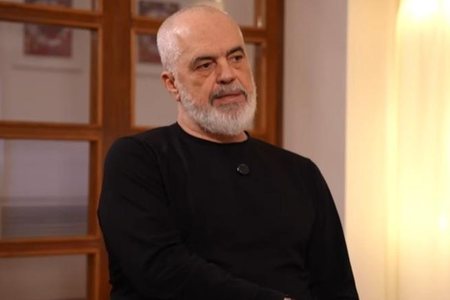
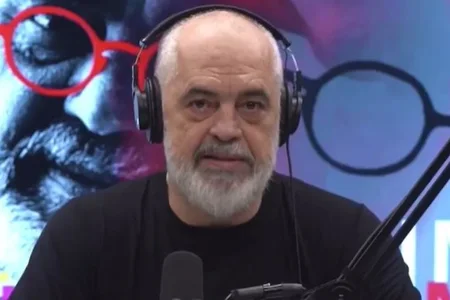
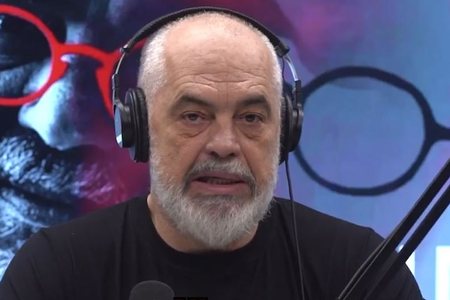
On the other hand, Edi Rama, in a public communication through the podcast “Flasim”, refutes these accusations and presents a stable picture of the country’s development. He acknowledges the existence of challenges, but emphasizes that Albania is advancing on the path towards the European Union and expects positive developments in the future. Rama accuses the opposition of trying to create a climate of pessimism and undermine the perception of the country’s progress.
The current clash represents a conflict between two opposing narratives: the opposition presents the government as a source of economic pressure and deviation from the European path, while the government insists on the continuity of reforms and institutional stability.
In this context, future developments, including the announced protests and signals from the European Union regarding the membership process, will be decisive for the level of political tension and the further direction of the country.
Full analysis
Trajektorja aktuale tregon një rritje të presionit politik me një nivel rreziku nga mesatar në të lartë, ndërsa përplasja po kalon nga retorika drejt mobilizimit të mundshëm social. Momentet kyçe do të jenë protestat e 17 prillit, zhvillimet e mëtejshme rreth raportit IBAR dhe, mbi të gjitha, sinjalet e ardhshme nga Bashkimi Europian për rrugën e anëtarësimit të Shqipërisë. Treguesi kryesor për t’u ndjekur mbetet nëse qeveria do të arrijë të mbajë fokusin te përparimi në negociata, apo nëse opozita do të dominojë narrativën mbi inflacionin, korrupsionin dhe mosbesimin institucional.
Përplasja politike në Shqipëri po hyn në një fazë më të mprehtë dhe me pasoja më të gjera, ndërsa kreu i Partisë Demokratike, Sali Berisha, dhe kryeministri Edi Rama përplasen hapur për çmimet e karburanteve, akuzat për korrupsion dhe rrugën e vendit drejt Bashkimit Europian. Ndërhyrjet e fundit publike të dy liderëve shkojnë përtej përplasjes së zakonshme qeveri–opozitë, duke reflektuar një polarizim më të thellë që prek ekonominë, besueshmërinë institucionale dhe drejtimin strategjik të vendit.
Sali Berisha, në një mesazh video drejtuar mbështetësve, sulmoi drejtpërdrejt Edi Ramën, duke e akuzuar për mashtrim të publikut lidhur me rritjen e çmimeve të karburanteve dhe për shmangie të përgjegjësisë për ngadalësimin e procesit të integrimit europian. Ai argumentoi se qeveria aplikon ndër taksat më të larta për karburantet në botë, duke vlerësuar se rreth 60% e çmimit përfundimtar përbëhet nga taksat, ndërsa shteti përfiton rreth 1.1 euro për litër. Ai gjithashtu e konsideroi të pamjaftueshme ndërhyrjen në akcizë, duke theksuar se vetëm një ulje e ndjeshme e barrës fiskale mund të lehtësojë presionin mbi familjet dhe sektorin bujqësor.
Berisha e lidhi drejtpërdrejt rritjen e çmimeve me çështje më të gjera të qeverisjes, duke e shtrirë kritikën edhe te procesi i anëtarësimit në BE. Ai hodhi poshtë pretendimet se opozita është përgjegjëse për pengesat lidhur me raportin IBAR, duke argumentuar se përgjegjësia bie mbi shumicën parlamentare dhe mbi raste që, sipas tij, dëmtojnë kredibilitetin e qeverisë, përfshirë edhe rastin e Belinda Ballukut. Njëkohësisht, ai deklaroi se numri i vendeve që shprehin rezerva për progresin e Shqipërisë është në rritje, duke e paraqitur këtë si dëshmi se perspektiva europiane e vendit po dobësohet.
Retorika e tij u ashpërsua më tej kur akuzoi Edi Ramën për largim nga integrimi europian dhe për afrimin me Beogradin, pas iniciativës së përbashkët Rama–Vuçiç, duke i shtuar përplasjes edhe një dimension gjeopolitik. Ai gjithashtu theksoi presionin në rritje ndaj fermerëve, duke argumentuar se çmimet e larta të karburanteve, taksat e rënda dhe mungesa e mbështetjes shtetërore po rëndojnë bazën prodhuese të vendit. Në këtë kontekst, ai u bëri thirrje qytetarëve të marrin pjesë në protestat e 17 prillit.
For his part, Edi Rama, in the podcast “Flasim”, tried to counter the opposition narrative, presenting a picture of continuity and progress. The Prime Minister acknowledged that challenges remain and that there is still much work to be done, but insisted that the overall direction of the country is positive. He particularly highlighted the EU integration process, rejecting claims of a blockage in the negotiations and stating that the process is advancing, with expectations for positive developments in the near future.
Edi Rama directly accused political opponents of trying to overshadow the country’s progress by fomenting a climate of despair, anger, and dissatisfaction, turning every public debate into a clash to weaken the government. In doing so, he aimed to shift the focus from individual accusations to a broader confrontation over Albania’s image and direction, arguing that, despite weaknesses and unresolved issues, the government is keeping the country on a course of institutional stability and European continuity.
The clash between the two sides clearly reflects the current political climate in Albania, where the cost of living, corruption, institutional credibility and the prospect of European integration are intertwined in a single and unstable arena of conflict. Fuel prices have taken on a particular political significance, as they directly affect the daily lives of citizens and the agricultural sector, which remains an important social and electoral pillar. At the same time, references to the IBAR process and negotiations with the EU are going beyond the technical dimension, becoming a broader test of the country’s political and institutional credibility.
As a result, the current conflict is no longer limited to an exchange of harsh statements, but is evolving into a clash between two competing narratives for Albania’s direction. The opposition aims to present the government as a source of economic pressure, institutional erosion, and a departure from Europe, while the government tries to convince the public that, despite the tense political climate, the country is moving forward. This logic reinforces a “zero-sum” political dynamic, where each side aims not only to oppose the other, but to completely delegitimize the rival narrative.
In these conditions, the escalation of rhetoric and preparations for protests are creating the ground for new tensions on the domestic political scene. The coming period is expected to be crucial not only for domestic stability, but also for the way Albania will be assessed by European institutions and member states. As the political clash is simultaneously focusing on inflation, corruption and the European path, the pressure on the government is increasing, along with the risk that public life will plunge into a deeper and longer-term polarization.



"Edhe zorrët e barkut ngatërrohen", thotë populli. "Do pajtohen se petullat bashkë i hanë", vijon populli. Ndajnë të njëjtin shtrat politik dhe ideologjik. Kur në verë frynte erë e fortë, të gjithë mezi prisnim që të binte shi. Kur të gjithë ngeleshim të zhgënjyer 'konkluzionet' i bënte në darkë sinoptikani 'xhaxhi Petriti: "Ishte erë shterpë".