


 Shkruar nga Pamfleti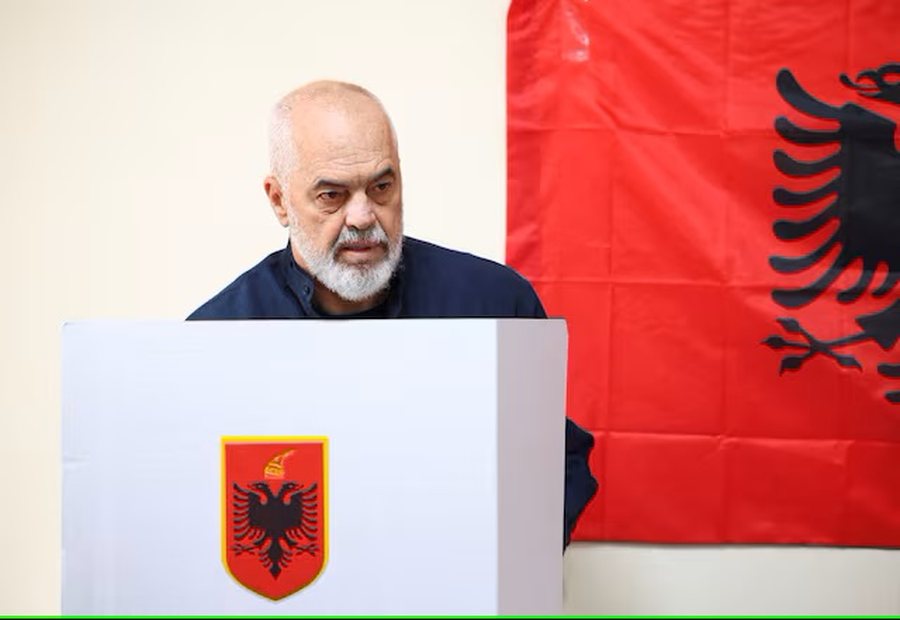
Foreign media have begun reporting on the results of the elections in Albania….
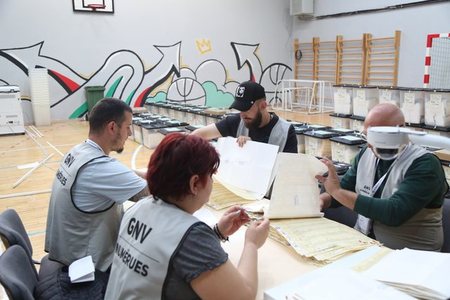
Prime Minister Edi Rama has secured an unprecedented fourth term as Albania's leader, following a landslide victory for the Socialist Party in Sunday's parliamentary elections. With 96% of votes counted, the SP won 52% of the vote, securing 82 of the 140 seats in parliament. The Democratic Party, led by Sali Berisha, came in second with 34% and 52 seats.
If this result is confirmed, the SP expands its parliamentary majority by four additional seats, giving Rama a free hand to form a government without the need for allies. Rama has promised to lead Albania into the European Union by 2030, although experts consider this promise overly ambitious in the face of endemic corruption and unfulfilled reforms.
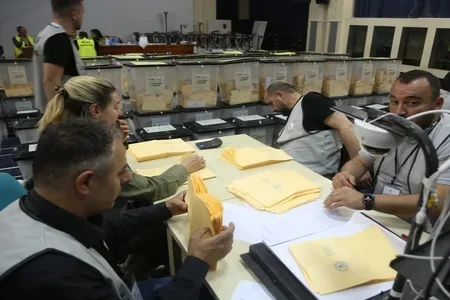
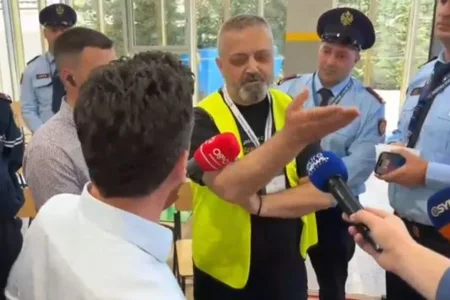
Despite the electoral triumph, the process has raised serious doubts. International observers, including the OSCE/ODIHR, reported misuse of public resources and pressure on the state administration. The Special Prosecution Office (SPAK) announced that it is investigating 39 cases of vote buying, without giving specific names.
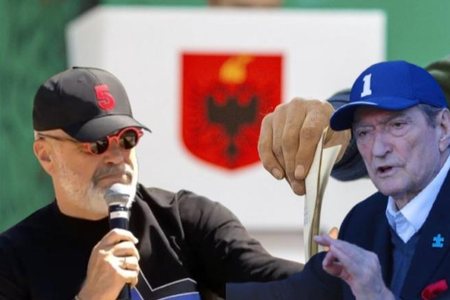
Berisha, who calls himself the leader of the legitimate opposition, refused to recognize the result, calling a protest on May 16 – the same day EU leaders gather in Tirana for a strategic summit. He accused Rama of being a “narco-dictator”, while the SP responded by calling Berisha “a hopeless old communist”.
The SP’s landslide victory has surprised many analysts who expected corruption scandals and social discontent to influence the outcome. On the contrary, the SP’s dominance compares to authoritarian eras in the region: “Like Orban in his strongest days,” commented analyst Lutfi Dervishi.
Two days before the elections, Rama canceled all fines imposed by the state from 2015 to 2024 – a maneuver that the opposition described as “massive vote buying with taxpayers’ money,” estimated at 200 million euros.
In the eyes of the West, Rama has played the role of “NATO’s confidant,” accepting Afghan refugees and the agreement with Italy to shelter migrants. But in his own country, he is accused of establishing a patronage system, high unemployment, and shady connections with criminal groups that launder money from drugs and weapons.
Hundreds of thousands of Albanians have left the country since 2013, in search of a better life. / Adapted from "Pamphlet" by "Reuters"


Lini një Përgjigje