


 Shkruar nga Pamfleti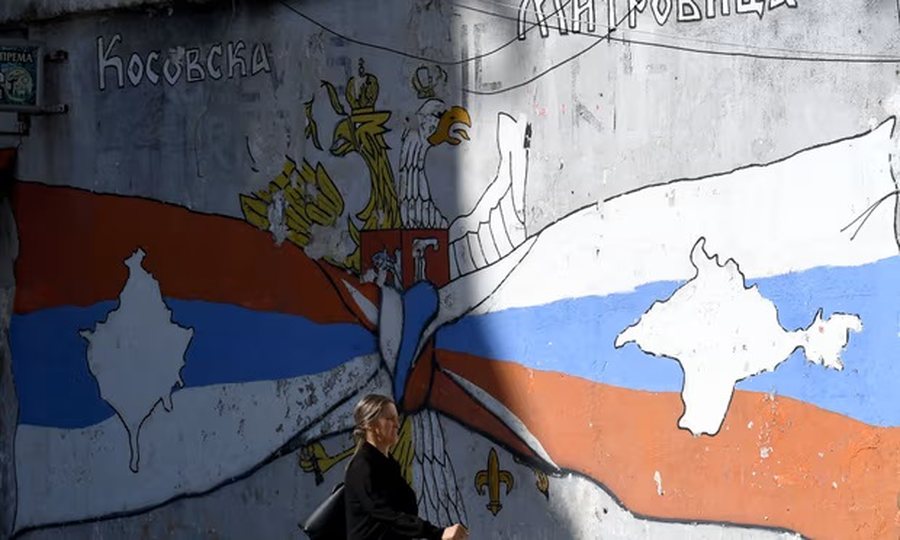
The events of the past week could be a turning point, depending on whether they lead to a policy review in Washington and Brussels...
Signs this weekend suggest that the immediate crisis over Kosovo has eased. Some Serbian troops are withdrawing from the border and the threat of a return to armed conflict has for now diminished.
The Biden administration acted decisively on Friday, taking some lessons from the period before the invasion of Ukraine. American intelligence discovered the movements of Serbian troops on the border and the US threatened Belgrade with sanctions and isolation. NATO's peacekeeping force, KFOR, was immediately reinforced with the transfer of command of a battalion of British troops who were in the region for training.
While the immediate danger may have passed, the chronic crisis over Kosovo continues to fester. Fifteen years after the former Serbian province declared independence, Kosovo is still in limbo on the world stage, with recognition from just over half of the 193 UN member states.
In the late 1990s, Serbia struggled to stop its partition after years of oppression of its ethnic Albanian population. Belgrade's brutal uprising and campaign of ethnic cleansing prompted a NATO intervention and an aerial bombing campaign in 1999 that eventually led to Serbia's withdrawal.
Kosovo's formal independence came just nine years later after UN-sponsored consultations and a plan designed to give essential protections to the new country's Serb minority.
Since then, Serbia and its main backer, Russia, have waged a rearguard campaign to block Kosovo's membership in international bodies, fueled by fears among many states, including five EU members, that recognition would create a precedent for secession of their ethnic minorities.
Belgrade has also kept the situation in four northern Serb-majority municipalities in a constant state of tension, sometimes aided by heavy efforts to demonstrate sovereignty by the government in Pristina.
The events of the past week could be a turning point, depending on whether they lead to a policy review in Washington and Brussels.
Both are heavily invested in a Franco-German plan to normalize relations, in which Serbia would not have to fully recognize, but at least recognize, Kosovo's passports, flag and other attributes of nationality. Belgrade would also stop blocking Kosovo from membership in multilateral institutions, and in return Pristina would allow an association of municipalities with a Serbian majority, strengthening their autonomy.
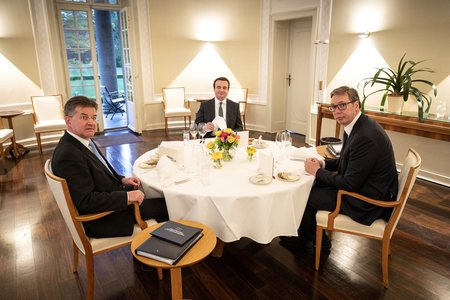
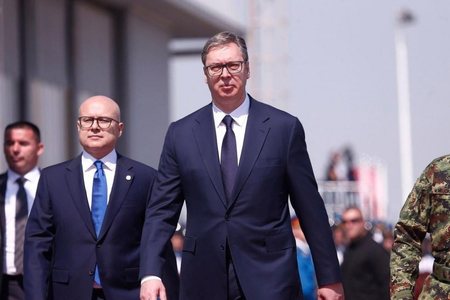
Serbian President Aleksandar Vucic and Kosovo Prime Minister Albin Kurti agreed to these principles in EU-brokered meetings, but Vucic refused to sign any documents and assured his audience that he would never allow Kosovo to become member of the UN.
As a result, Kurti refused to proceed with the association of Serbian municipalities, refusing to trust the assurances of EU mediators that Serbia would fulfill its promises at a later date.
Përgjigja nga Uashingtoni dhe Brukseli ishte për t'i vënë fajin ekskluziv Kurtit , kryesisht sepse Vuçiç ka qenë në gjendje të luajë kundër qeverive perëndimore kundër Rusisë dhe Kinës në konkurrencë për favorin e Beogradit. SHBA-të për shembull ishin mirënjohëse për votat serbe kundër Rusisë në debatet e asamblesë së përgjithshme të OKB-së për Ukrainën, pavarësisht kundërshtimit të vendosur të Beogradit ndaj sanksioneve ndaj Moskës.
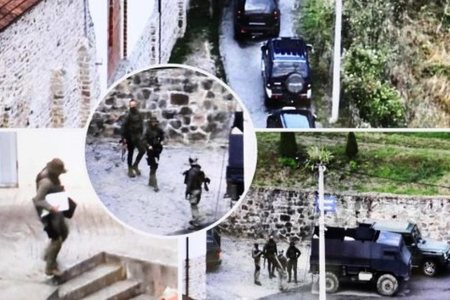
Më 24 shtator, një grup paraushtarak i serbëve të Kosovës të armatosur mirë i zunë pritë një patrulle të policisë kosovare dhe në përleshjen që pasoi, një polic dhe tre serbë të armatosur u vranë. Qeveria e Kosovës paraqiti prova për të treguar se grupi ishte armatosur dhe kontrolluar nga Beogradi, dhe zyrtarët amerikanë e kanë bërë të qartë privatisht se i shohin ato prova bindëse.
The ambush may have been designed to spark a conflict in northern Kosovo that would provide cover for Belgrade to send troops ostensibly to protect ethnic Serbs. An alternative aim could have been to force KFOR to strengthen its presence and take primary responsibility for security in northern Kosovo from Pristina. This would be a step back for the country's sovereignty.
If the latter was the case, Vucic has already partially succeeded. Whether he wins now depends entirely on the direction of Western politics. /Adapted "Pamphlet" from " The Guardian "


Lini një Përgjigje