


 Shkruar nga Pamfleti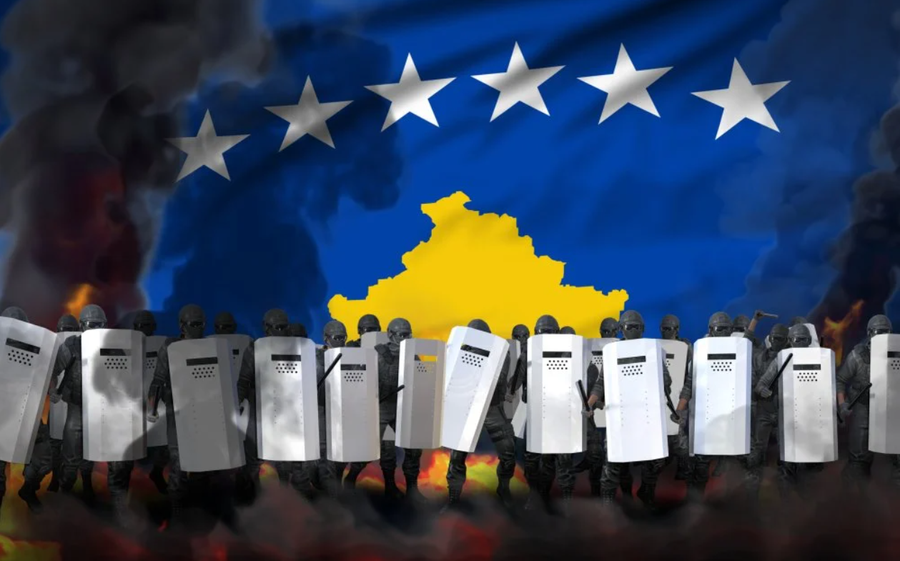
Serbs living in Kosovo have been increasingly discouraged by Pristina to implement the terms of the agreement, a fact recently acknowledged by the US and the EU.
The recent outbreak of violence in northern Kosovo between NATO peacekeepers and ethnic Serbs has reminded the world that while the brutal war in Ukraine may be the biggest threat to European stability at the moment, it is by no means the only one.
On May 29, Serbian protesters clashed with NATO troops as Kosovo authorities tried to escort newly elected mayors into administration buildings in the Serb-dominated northern municipalities.
The municipal mayors, representatives of Albanian political parties, were elected in April with a low voter turnout of 3.5 percent, after Serbs boycotted the process as part of their ongoing clash with the government in Pristina.
Tensions have increased especially since the July 2022 decision of the Kosovo government to force northern Serbs to equip their vehicles with official license plates of the Republic of Kosovo, removing those of the Republic of Serbia. This issue may seem trivial to outside observers.
But the move was interpreted by many as the latest example of Pristina's arrogance. Although Kosovo officially declared its independence in 2008, this is an act that is still not recognized by many countries of the world. Although the 4 northern Serb-majority municipalities make up a relatively small part of the country, and Serbs make up only 6 percent of the total population, an EU-brokered agreement in 2013 aimed to allow a degree of self-governance in this region.
Serbs living in Kosovo have been increasingly discouraged by Prishtina to implement the terms of the agreement, a fact recently acknowledged by the US and the EU. In July a year ago, protesters set up a number of roadblocks in northern Kosovo, after the initial movement to change license plates.
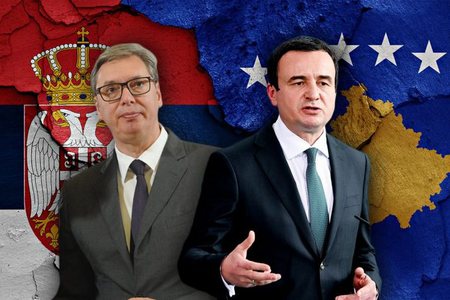
Serbian President Aleksandar Vucic described the situation as very difficult. However, Prishtina decided to go ahead with local elections, despite calls from Washington and Brussels to postpone the process. Concern grew when the Kosovo government continued to ignore Western pressure not to force new mayors into municipal buildings because physical clashes could ensue.
And this is exactly what happened when Pristina decided to use its own police. The subsequent effort by NATO peacekeeping forces to manage the unrest left dozens injured, including 11 Italians and 19 Hungarians who were part of the peacekeeping mission. More than 50 Serbian protesters were also injured, as Serbia put its military on high alert.
Washington and Brussels were quick to criticize the behavior of the Kosovo government. The US ambassador to Pristina, Jeff Hovenier, expressed his disapproval of Pristina's actions, demanding an immediate suspension of violent measures. Then Secretary of State Antony Blinken blamed Kosovo's leadership for "escalating tensions in the north and increasing instability".
After a meeting in Moldova with the mediation of the EU, Serbian President Vucic and Kosovo President Vjosa Osmani agreed to hold new local elections in the north. It remains to be seen whether this pact will be enough to reduce tensions in the region or not.
Situata aktuale përbën një kujtesë se për mirë a keq, Shtetet e Bashkuara mbeten arbitri përfundimtar në garantimin e pavarësisë së Kosovës dhe në ruajtjen e stabilitetit të përgjithshëm në rajon. Kjo do të thotë se autoritetet në Prishtinë duhet ta kuptojnë domosdoshmërinë e lojës për audiencën ndërkombëtare, veçanërisht për ata në korridoret e pushtetit në Uashington. Kryeministri Albin Kurti e ka pranuar këtë: flamuri amerikan shihet shpesh në tubimet e tij, krah për krah me flamurin kombëtar të Kosovës (si dhe atë të Shqipërisë).
Po ashtu ai është përpjekur të mbrojë veprimet e qeverisë së tij duke përdorur leksikun aktual të politikës së brendshme amerikane. Ai i ka barazuar vazhdimisht protestuesit në veri të Kosovës me “grupet ekstremiste të krahut të djathtë”, teksa ka shkruar në Tëitter se “në një demokraci nuk ka vend për dhunë fashiste”.
Kjo gjuhë është e ngjashme me referencat e shumta të presidentit amerikan Joe Biden ndaj opozitës në SHBA, që e mbështet ende ish-presidentin Donald Trump. Sipas Kurtit, protestuesit janë “ekstremistë dhe milici” dhe nuk përfaqësojnë “popullin”.
Disa kohë më parë, kryeministri i Kosovës u përplas fort me të dërguarin e posaçëm të emëruar nga Trump për Serbinë dhe Kosovën, Richard Grenell, dhe e mbështeti Biden në zgjedhjet e vitit 2020. Nga ana e saj, edhe presidentja Osmani e ka njohur rëndësinë e narrativave politike dhe kurimit të imazhit të duhur ndërkombëtar.
Ajo e ka paraqitur vendin e saj si një komb të rrethuar dhe në një situatë të ngjashme me atë të Ukrainës. Pas takimit me presidentin ukrainas Volodymyr Zelensky më 1 qershor në samitin e BE-së në Moldavi, ajo shkroi në Twitter: “Askush nuk e kupton dhimbjen, luftën dhe rezistencën e Ukrainës më mirë sesa populli i Kosovës. Asgjë nuk mund të pengojë vullnetin e një populli për të qenë i lirë”.
Por jashtë godinës së komunës veriore të Zveçanit në Kosovë, protestuesit serbë mbanin tabela me të njëjtin slogan: “Nuk jemi kriminelë, duam vetëm të jemi të lirë”, dhe “Nuk do të na dëboni nga shtëpitë tona”. Në fakt, dinamika politike e situatës në veri të Kosovës është në shumë aspekte e ngjashme me atë të Ukrainës Lindore.
Ashtu si Ukraina, Kosova është një territor historikisht i kontestuar që shkëputja nga vendi që e kishte dikur nën kontroll. Serbët etnikë në Kosovën e sapo-pavaruar ndihen ende të lidhur me Beogradin, njëlloj si disa rusë në Donbas që ndihen të lidhur me Moskën.
Nuk është rastësi që Kurti i cilësoi protestuesit serbë në veri të Kosovës si simpatizantë të Moskës. Ai shtoi më tej se “elementët pro-rusë në Serbi dhe në veri të Kosovës, duan të destabilizojnë gjithçka për të cilën deri tani ka pasur konsensus”. Potenciali për përshkallëzimin e situatës mbetet një mundësi reale.
However, the relative strength of the United States and the broader transatlantic alliance it controls is pushing Serbia to remain within the bounds of Western-dictated behavior. The war in Ukraine may end up as a kind of frozen conflict, similar to the situation between Kosovo and Serbia.
And just like the last situation, the USA will surely be the guarantor of security in Ukraine as it is today for Kosovo. Policymakers should bear this fact in mind as they try to reach a solution that takes into account the far more important security consequences, and is associated with a direct military challenge to Russia. /Taken and adapted from "National Interest"


Lini një Përgjigje