


 Shkruar nga Pamfleti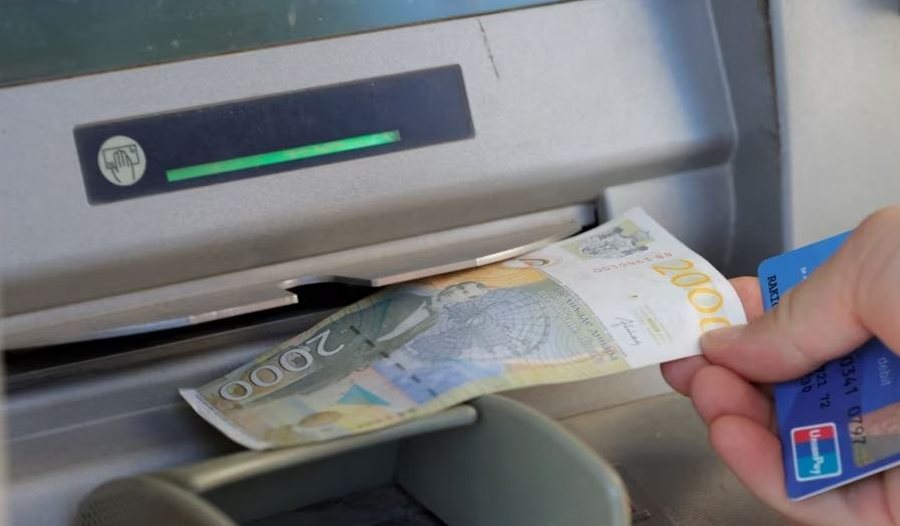
Only in euros! This is the answer given by some experts in financial matters, when asked what are the possible solutions of the Serbs in Kosovo for payments, after the banning of the Serbian dinar.
The only thing that should be done, according to them, is to give them time to be informed and educated about opening accounts in the commercial banks of Kosovo.
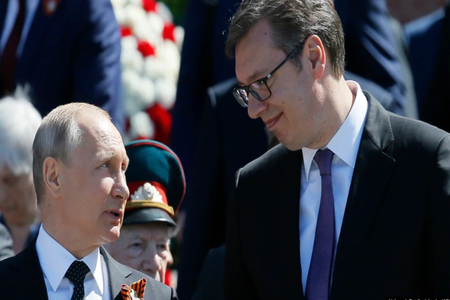
As for the licensing of any bank from Serbia in Kosovo - an idea put forward by the Serbian president, Aleksandar Vučić - they say that this is the competence of the Central Bank of Kosovo only.
The latter did not respond to REL's interest in this matter.
Serbia, since the post-war in 1999, has used its currency to pay pensions, social benefits and salaries for the parallel institutions it has in Kosovo.
Citizens in municipalities with a Serbian majority have also been able to withdraw dinars from ATMs of banks based in Serbia. In most shops, the prices were also displayed in dinars.
But, from February 1 of this year, a regulation of the Central Bank of Kosovo came into force, which prohibits such a practice, namely defines the euro as the only currency for cash payments in Kosovo.
Dinars can be kept in bank accounts or exchanged for euros.
The decision has caused some Serbian citizens, surveyed by REL, to express concern about what will happen to the pensions, salaries and other payments they receive from the Serbian state.
The Central Bank of Kosovo has ensured that its regulation does not prohibit or limit the acceptance of funds in bank accounts in euros in licensed banks in Kosovo and has called for the opening of these accounts.
However, its regulation has provoked furious reactions from the international community, especially the USA, which has requested the postponement of its implementation.
While the Prime Minister of Kosovo, Albin Kurti, has said that he is ready to "quickly" address the concerns about the dinar, the CBK, contacted by REL, has said:
"The CBK does not have any new requirements related to the regulation in question and has made its position clear, giving its legal arguments on time and in full respect".
The CBK has also expressed its willingness to engage in talks with the counterpart institution in Serbia regarding this issue, but the People's Bank of Serbia has sought a solution through political dialogue.
What do the experts say?
The CBK's decision is right, says Shkumbin Misini, professor of Economics at a private college in Pristina, but not at the right time.
According to him, Serbian citizens did not have enough time to be informed, therefore the implementation should be postponed for some time.
"CBK should work and inform Serbian citizens, sensitize them to open bank accounts in commercial banks in Kosovo", he says to Radio Free Europe.
Article 11 of the Constitution of Kosovo foresees only one currency for cash payments in Kosovo, but in addition to the euro, the dinar has continued to be used in municipalities with a Serbian majority.
CBK published the new regulation on January 17 and it entered into force on February 1.
Milazim Abazi, an expert on financial issues in Kosovo, says that this period was not enough. Suspension of its implementation for up to 45 days would be sufficient for proper information of Serbian citizens, he says.
"... to understand that there is nothing against them, it is in their best interest to open accounts in euros, but also in dinars, in licensed banks in Kosovo", says Abazi.
He explains that the procedures for opening bank accounts are quick and can also be done online.
Citizens, then, can send these accounts to the institutions of the Government of Serbia, from which they benefit from salaries, pensions or social assistance, he says.
Regarding the possibility of licensing any banking institution from Serbia, he says that this is the competence of the CBK and that the CBK predetermines the conditions.
"The CBK can license and can refuse. It does not matter if it is from Serbia or another country, it is enough that it is a credible bank, with credible and reliable shareholders. However, it cannot be a state bank of any country and transactions must be in the euro currency only", says Abazi.
The government of Kosovo has assured that it will take care of an "easy transition" from the dinar to the euro, making the citizens "adapt as quickly, as easily and without damage".
However, Lista Serbe - the largest party of Serbs in Kosovo - has described the decision of the CBK as a means of expelling Serbs from Kosovo./REL



Lini një Përgjigje