


 Shkruar nga Pamfleti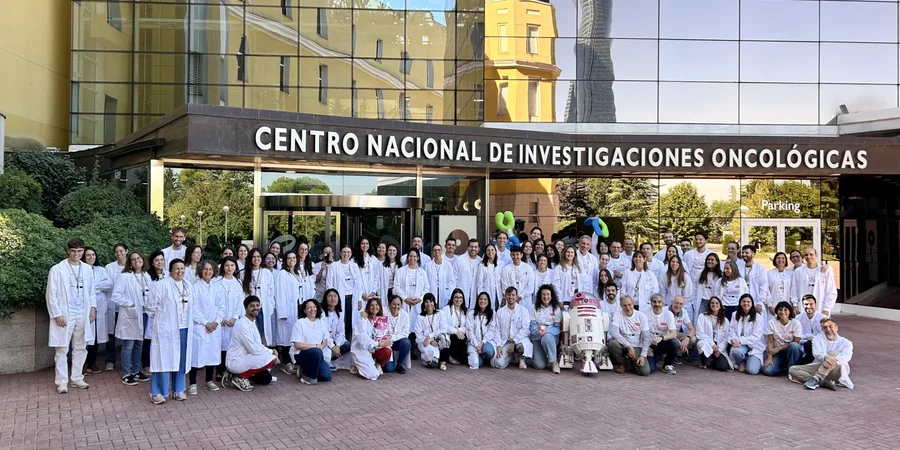
Instead of relying on traditional chemotherapy, the team used a triple combination therapy
A team of scientists in Spain has announced the discovery of a treatment for one of the most aggressive cancers ever (pancreatic cancer), which has a mortality rate of up to 97%.
Laboratory tests conducted on mice have been successful and human trials are expected to begin soon. Spanish scientist Mariano Barbacid and his team from the "Spanish National Cancer Research Center" are currently in the spotlight of the scientific community after successfully achieving the complete elimination of advanced pancreatic tumors.
Instead of relying on traditional chemotherapy, the team used a triple combination therapy designed to block the KRAS oncogene, which is responsible for 90% of pancreatic cancers, at three critical points simultaneously: KRAS itself (using daraconrasib), the EGFR family (using afatinib), and the STAT3 protein (using a degrader called SD36).
Previous approaches often resulted in tumors developing resistance within months. This new combination therapy stopped tumors from flourishing and prevented resistance from emerging, allowing the mice to remain tumor-free for long periods of time.
Based on these results, the researchers aim to translate these findings to humans, with studies pointing towards the start of clinical trials using this combined approach.
Pancreatic cancer is known for its aggressiveness, with 5-year survival rates remaining very low (often quoted as under 10-13%). This research is considered an important step towards transforming it from a hopeless diagnosis to a manageable or curable disease.
It is important to note that, as of January 2026, this treatment has been successfully demonstrated in mouse models and preclinical studies, but not yet in clinical trials in humans.








Lini një Përgjigje