


 Shkruar nga Pamfleti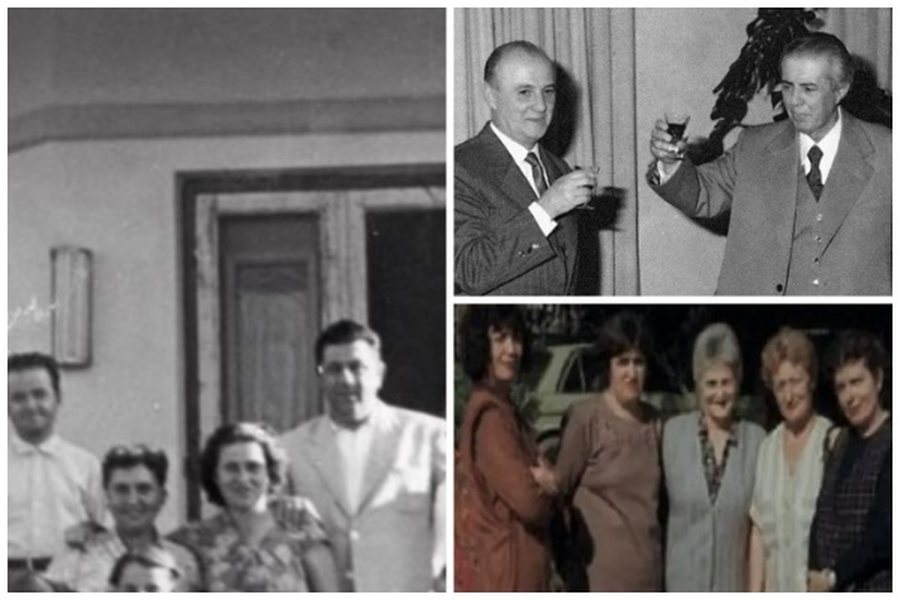
Hatixe Duro and Ikbale Gjaçi, two former workers in the villas of the former 'Block' tell about the period when they served the communist leaders, starting with Ramiz Alia, Adil Çarçani, Hysni Kapo, Lenka Çuko, Beqir Balluku, etc. How did the former blockmen live, the chosen foods, while the crisis had plagued Albania...?! Fulfilling daily cravings, from pancakes to Chinese food….! Not everyone could step on their families! In the most armored area of the Albanian capital, where it was often forbidden to take a look, let alone cross the roadblocks or the controls of the persons who took care of the physical preservation and order of the former communist leaders.
There, both of them, Khadija and Iqbalja, had the daily routine of work. The presence among the wives and children of officials, the highest of the people's power, could not fail to impose confidence, and at the same time, pressure from all four sides. Hatixe Duro and Ikbale Gjaçi started their work as governesses in the villas of the former communist 'Block', "walking" almost in the vast majority of the houses of the former officials of that regime, until they retired. They say that it was not an easy job, even though the efforts to do just the daily task were more than necessary, to keep the "head" and the workplace.
The long experience in the houses of the big ones of the communist state has not been without tension. Serving breakfast coffee and warm pancakes to Ramiz Ali, Beqir Balluku, Hysni Kapo or Lenka Čuko was more than a responsibility. It was often anxiety, lest a tremor of the hands, or a hasty movement, could become the cause of some unwanted situation or incident. Just like other times, the two governesses of the villas of the former 'Blok', became part of family joys, end-of-the-year holidays or the careful attention of politicians' wives, which they decorated with various gifts for themselves and their families. theirs.
Hatixe Duro: "How did I take care of Enver Hoxha's Chinese doctors"?!
Ms. Hatixe, working in the villas of the former rulers of the communist regime was not an easy task. Besides professional responsibility, what other pressures did your job have?
Before I was appointed as a worker in the house of Beqir Balluk, the first communist functionary, in whose villa I worked for six months, my biography was passed through a sieve. At that time, all the trusted employees in the leaders' villas were needed with clear biographies, and mine has stayed six months in a row, in the state offices, passing through careful filters, so much so that they managed to ask about me and family, even in my hometown, in the village. It was really a job with extraordinary responsibility, because I worked inside the houses of communist officials, I served them, their wives, their children, of course with full readiness.
In my beginnings, I was a cottage worker and the tasks assigned to me were mainly related to washing the floor, the yard, washing clothes, ironing and many other household chores. Later, after specializing in a course for cooks, I positioned myself in this profile, cooking for many communist rulers over the years, at the same time, serving at the receptions of foreign delegations visiting our country, receptions that were mainly organized at the "Palace of Brigades".
But even though somehow I and my colleagues were the trustees of the houses of these officials, security and control were primary for us as well. Every morning, before entering the "Block" villas, we showed the entry slip, which we presented to the post-block, and then we entered the respective houses, from 7:00 a.m. to 4:00 p.m. in the afternoon.
What do you remember from your first work experience?
I started work for the first time in 1965. I was replacing a cook who had taken vacation leave. That day a reception was organized in the Palace of Brigades. I served drinks to the guests present, ministers of popular power and some representatives of a foreign delegation. Immediately after this experience, I was sent to work as a governess in the house of the former Minister of Defense, Beqir Balluku. I stayed there for six months.
As a worker, I had a very correct relationship, with the whole family, but mainly with his wife, Saide Balluku. We were a total of three workers and a cook, serving at Balluk's house. My job involved cleaning the house, furniture, yard, etc. I was only 23 years old and the beginning was very difficult, full of emotions.
Was equality felt in the way they treated you simple workers who served communist officials and their families?
Personally, I felt appreciated for my work. I knew the dangers, so I always tried to do the tasks of the day, bent, obedient and without any excessive curiosity, to learn what was happening in the villas where I served, the entrances or exits of certain people, family situations, or unwanted politics , which could happen and were reflected at home, such as nervousness or raising the voice.
Nëse përhapja fjalë, apo interesohesha më shumë seç duhej, pasojat do ishin të pashmangshme. Ndaj, duke ruajtur këto parime, respekti nga ana e tyre, nuk më ka munguar. Beqiri shpesh ulej me ne punëtorët dhe bashkërisht pinim kafe. Ndërsa, të tjerë pushtetarë shpesh, nuk na ndanin nga gëzimet e tyre familjare. Tregoheshin të kujdesshëm, duke na bërë dhurata për vete dhe familjarët, në rastet e festave të fundvitit.
Pas vilës së Beqir Ballukut, keni lëvizur thuajse në pjesën dërrmuese të vilave të ish-Bllokut, apo jo?
Po. Kam punuar në shumë prej tyre, por këto lëvizje bëheshin jo pa rekomandime apo, reputacion të mirë. Pas Beqir Ballukut, kam punuar në shtëpinë e Hysni Kapos. Ishin një familje e respektuar, prej nga unë ruaj edhe kujtime shumë të bukura. Vito Kapo-ja, e pëlqente shumë punën time të dorës dhe më kërkoi që t’i qëndisja dy palë çarçafë, për të bijën, Verën, kur ajo u martua.
Doli një komplet shumë i këndshëm, e për të cilin kam punuar ditë e natë, derisa të bëja diçka të vyer. Aq shumë i pëlqeu Vitos puna ime, sa i sugjeroi gruas së Manush Myftiut, emrin tim, si një punëtore e zonja. Tek vila e këtij të fundit, punova edhe më gjatë, sërish si punëtore, deri në çastin që vendosa të ndiqja shkollën e kuzhinës, mora të shtatë kategoritë, bashkë me titullin e kuzhinieres profesioniste.
Zonja Hatixhe, cilin kujton si një moment të vështirë ndër vitet e punës suaj nëpër vilat e ish-zyrtarëve komunistë?
Ka qenë një moment, që nuk kam për ta harruar kurrë. Ishte festa e Vitit të Ri dhe në “Pallatin e Brigadave”, organizohej një pritje e një delegacioni portugez. Në krye, ishte Ramiz Alia, ndërsa ne të stafit, në mëngjes, na kishin thënë se ishte thjesht një koktej. Unë kisha përgatitur disa antipasta të lehta me sallam dhe qofte, djathëra të freskëta, pasi sigurisht, për gatimet e kësaj natyre, apo edhe të pushtetarëve të asaj kohe, furnizimi me produktet dhe lëndën e parë, bëhej enkas në magazinën e “Bllokut”, ku nuk mund të gjeje, edhe qumësht dallëndysheje. Gjithçka speciale. Mua më lajmërojnë në minutat e fundit se nuk bëhej fjalë për një banket, por për një darkë të mirëfilltë për gjashtë persona.
Një tension i jashtëzakonshëm. Frika, më pushtoi trupin. Çfarë mund të bëja në aq pak kohë?! Ndërsa shoqëruesve të Ramiz Alisë, gati sa nuk u kish rënë të fikët, përpara faktit, se si duhej t’i shpjegonin atij, se darka nuk mund të arrihej. Në ato çaste, m’u vërtit çdo pasojë e keqe në kokë, ndaj mblodha veten dhe iu futa punës. Gjatë kohës që shtrohej banketi dhe shërbeheshin pijet, nisa të përgatis darken, që nga supa, mishi, filetot, ëmbëlsirat dhe brenda 45 minutave, ia dola mbanë. Gjithçka ishte gati. Atë tension e frikë që kam përjetuar atëherë, nuk mund ta harroj kurrë.
Ju keni shërbyer si kuzhiniere edhe në kohën kur në Shqipëri erdhën disa doktorë kinezë, për të parë gjendjen shëndetësore të Enver Hoxhës….?!
Episod më vete, është edhe kjo pjesë në eksperiencën time të gjatë, të punës. Mbaj mend, që ishin pesë doktorë kinezë, që erdhën për të vizituar udhëheqësin, Enver Hoxha, në kohën kur gjendja e tij shëndetësore, ishte përkeqësuar. Ata qëndruan 14 ditë në Tiranë dhe thuajse çdo ditë, kam gatuar për ta, deri edhe petulla kineze.
Asnjëherë nuk më kishte shkuar në mendje, që mund të bëja edhe ushqim kinez, por ja që ia dola mbanë. Realizoja disa mbushje brumi me mish, në forma të çuditshme, të cilat i fusja më pas në ujë të vluar, për disa minuta. Ato i shërbeja, sipas dëshirës, me djathë, ose thjesht të marinuara. Kam gatuar shumë receta kineze, ndërsa doktorët, mbeteshin gjithnjë të kënaqur nga gjithçka u përgatisja.
Kur keni punuar në shtëpinë e Ramiz Alisë dhe tek Lenka Çuko?
Mbaj mend që në kohën kur punoja te Ramiz Alia, çdo mëngjes i shërbeja kafenë, ndërsa petullat e ngrohta, ishin të preferuarat e tij. Gjithnjë më falënderonte, për gatimet e mia, teksa e shoqja, Semiramisi, ishte një grua e jashtëzakonshme. Në çdo festë, ajo nuk harronte të më bënte dhurata për familjen time dhe kjo më bënte të ndihesha mirë dhe e vlerësuar. Nuk ishin aspak njerëz tekanjozë. Edhe në vilën ku jetonte Lenka Çuko, kam kaluar shumë mirë. Sa herë që kthehej nga puna, ajo do vinte gjithnjë të na përshëndeste, ne stafin e punëtorëve e kuzhinierëve, që punonim për të.
Në momente të caktuara gëzimi, familjare, ajo na merrte në valle bashkë me Naunka Bozon. Edhe pse shpesh mund të më provokonin në forma të ndryshme, duke vendosur nëpër sirtarë apo sipër komodinave lekë, bizhuteri apo sende me vlerë, unë i nuhasja kurthet dhe përherë shmangesha. Përditshmëria e punës sime ndër vite, derisa dola në pension, ka pasur sa përgjegjësi, aq edhe frikë bashkë. Por ishte kujdesi, vigjilenca ime dhe nevoja për të mbajtur familjen me atë rrogë, që çdo herë më shtynin, të mos përzihesha në situata delikate, duke parë gjithnjë, vetëm detyrat që më caktoheshin.
Ikbale Gjaçi: “Adil Çarçani, thyente këshillat e infermieres”!
Znj. Ikbale, fillimisht ju keni punuar në magazinën ushqimore të ish-‘Bllokut’, që posedonte gjithçka kërkohej nga furnitorët, për shtëpitë e pushtetarëve të lartë komunistë. Çfarë keni vërejtur, gjatë viteve që punuat atje?
Në magazinën ushqimore të ish-“Bllokut”, kam punuar për gati tre vjet. Çfarë nuk kam kaluar nëpër duar, mallra dhe produkte, që nuk i kisha parë kurrë më parë. Çdo asortiment, gjendej në atë magazinë, por sigurisht, që ishte i destinuar vetëm për familjet e ngritura të funksionarëve komunistë, apo për “Pallatin e Brigadave”, ku organizoheshin pritje shtetërore nga më të ndryshmet.
Vetëm qumësht dallëndysheje, nuk gjeje në magazinën tonë, se çdo produkt tjetër, deri tek frutat e thata, filetot e peshkut, ishin aty. Ne plotësonim kërkesat, që na sillnin të shkruara enkas, furnitorët e vilave të udhëheqjes, por çdo kalim, bëhej me shumë kujdes. Tregohej shumë vigjilencë, në peshën e ushqimeve, kontrollohej sërish cilësia, pasi çdo gabim, ishte i pafalshëm.
Si kaluat më pas në pozicionin e guvernantes, në vilën e Adil Çarçanit?
Tek vila e Adil Çarçanit, kam punuar nga viti 1986, deri në fillim të demokracisë. Fillimisht, më dërguan si punëtore në shtëpinë e tij, duke më thënë se do të qëndroja vetëm dy javë, por qëndrimi zgjati, më shumë nga sa e kisha parashikuar.
Me sa duket, atyre u pëlqeu metoda ime e punës, marrëdhënia korrekte, që kisha me stafin e punëtorëve atje, por edhe vetë familjen Çarçani. Punët që bëja, ishin nga të ndryshmet, nga pastrimi, larja e rrobave në lavatriçe, shpesh edhe gatuaja në kuzhinën e familjes, e cila ishte e pozicionuar në bodrum.
Kujtoni ndonjë moment veç të tjerëve, në atë shtëpi?
Punova në shtëpinë e Adil Çarçanit, gjatë kohës kur ai u diagnostikua me diabet. Çdo ditë, vinte infermierja në shtëpi, që i peshonte, gjithfarë ai do të konsumonte gjatë vakteve të ditës. Shpesh, përcaktonte edhe menynë, sepse e tillë ishte sëmundja. Duke respektuar atë regjim ushqimor, bëhej e mundur që të ruhej niveli i sheqerit në gjak. Por, shpesh e kujtoj faktin, që sapo infermierja mbaronte orarin e punës dhe largohej, Adili vinte në kuzhinë, na përshëndeste dhe kërkonte të hante sërish, ndonjë gatim të shijshëm, që atij i pëlqente shumë.
Të nesërmen, që i bëhej matja e glicemisë esëll nga infermierja, niveli i sheqerit, i dilte mjaft i lartë, çka shpesh rrezikonte edhe shëndetin e Adilit. Bëhej zhurmë e madhe. Infermierja bënte kritika ndaj stafit, por gjërat përsëriteshin. Adili përsëriste të njëjtën gjë, sa herë largohej ndihmës mjekja. Ndofta ngaqë, ishte shijues i mirë i ushqimit.
Të shoqen e tij, Havanë, e kanë treguar grua të sertë. Ç’marrëdhënie kishe me të?
Për vetë pozicionin që ajo kishte, si prokurore, mund të dukej edhe e sertë, por me ne, stafin e punëtorëve të shtëpisë, ajo ishte korrekte, dhe kaq na mjaftonte. Tregohesha shumë e kujdesshme në punën time, që të mos i lija shkas për kontradikta. Madje, edhe kur merrja pluhurat, çdo orendi e lëvizja me kujdes dhe e rivendosja sërish, në po të njëjtin vend. Shumë kolegeve të mia, u ka ndodhur që të kenë probleme, pikërisht për faktin, se pse lëvizen gjërat nga vendi nëpër shtëpi?!
It happened to me once, that while I had put the clothes to be washed in the washing machine, a colored sock was mixed with them and all the clothes turned black. I cried all day. I locked myself in the basement below because I was afraid of the consequences. In addition to the clothes, I was worried that Adil's wife wouldn't find out that it was going to be a night out. Thank God, a colleague of mine was willing to help me. He put them in chlorine, then in a bleach solution and they were as good as new. I will never forget the tension I experienced that day.
If we can make a comparison of work experiences: you worked both in the years of dictatorship and in the post-communist period. Where are these experiences shared?
Each of them had its own specificity. In the first experience of the years of work, whether in the "Palace of Brigades", in the food warehouse, in the former "Block" or in the house of Adil Çarçan, for many years in a row, things were very suppressed. I tried to do my job and not interfere with words or conversations that could be expressed between family members during the day. If I did the opposite, who knows in which area of Albania I would be killed, along with my family.
Keeping my head, my workplace, I always pretended I didn't understand or didn't hear. Such was the system, I could not act differently. Whereas, after 1991, the fragile beginnings of democracy and onwards, I worked mainly in government holiday villas, in the Dajti mountain area. I worked for some time for former Prime Minister Ilir Meta and his family. I have served breakfast, coffee, fruit juice, or even other food meals of the day, to the entire Meta family.
The situations were less tense. We didn't have that old pressure and fear of not opening our mouths to speak, of being shy, of saying the wrong or inappropriate things. With Monika Kryemadhi, we workers often drank coffee together, discussed our family problems and found their support for certain issues./ Memorie.al





Lini një Përgjigje