


 Shkruar nga Virginia Kirst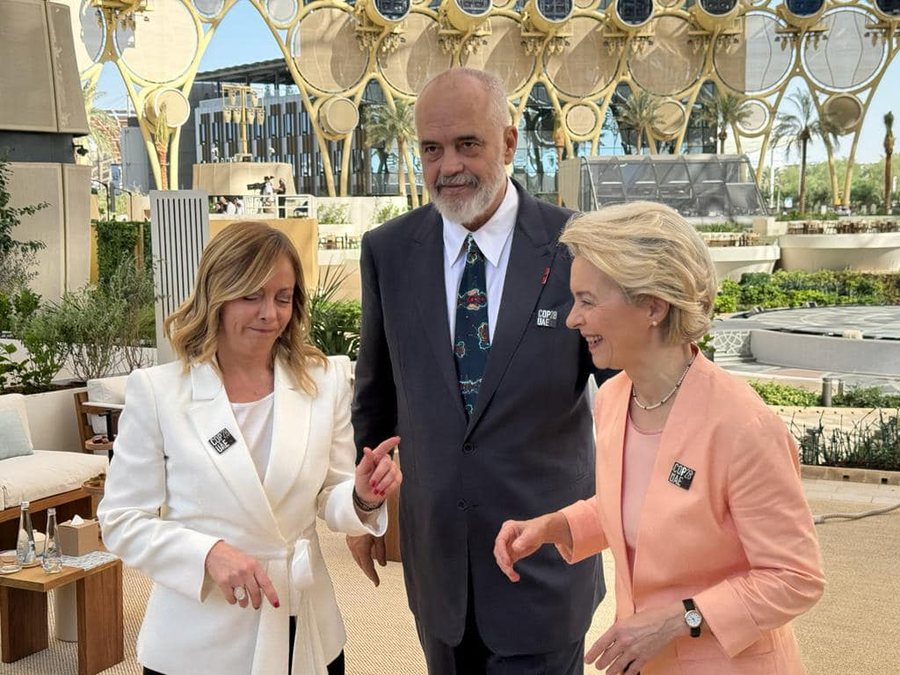
A migration center in Sicily costs 6,400 euros per bed. Meloni's deportation centers in Albania cost 72,461 euros per bed, over 11 times more than in Italy...
In the interior of Albania, at the foot of a rugged mountain, stands the "Gjadri cage", as Italian newspapers call the deportation center.
High wire mesh fences surround buildings that resemble stacked shipping containers, set on bare concrete slabs.
The Italian government built this "cage" to process thousands of migrants in accelerated asylum procedures. Together with the sister center in Shëngjin, just a few kilometers away on the coast, 36,000 applications can be processed each year. The emphasis is on the "can". Since so far, not a single asylum application has been processed in Gjader, a huge amount of money has been spent.
To be precise: more than double the amount originally planned. This was revealed by a report by the Dutch investigative platform "Follow the Money".
According to the report, Rome paid 74.2 million euros to build the facility, which equates to 72,461 euros per bed.
In comparison, the construction of a migration center in the Sicilian city of Modica, which was completed a little while ago, cost only 6,400 euros per bed, 11 times less than the Gjadri center.
Meloni's policies are widespread in the EU
So far, this discovery has done no harm. Quite the opposite. At the EU summit, German Chancellor Friedrich Merz took part for the first time in a round table on migration called by Meloni. Meloni has long been organizing these meetings ahead of official EU summits, so that heads of state and government can consult specifically on combating irregular migration and coordinate their positions.
While his predecessor, Olaf Scholz, stayed away from these meetings, Merz's participation shows that Meloni's anti-immigration stances and methods have entered the EU mainstream. The so-called "Albania Model" is her flagship project because it shows that Meloni is willing to break new ground, even though the deportation centers are not working as planned so far, and it is doubtful whether they ever will.
The centers in Shëngjin and Gjadra were originally intended to allow some of the migrants arriving in Italy by boat to undergo an accelerated asylum process. However, legal problems led Italian judges to prohibit the government from holding migrants in the centers. After failing three times to detain asylum seekers in Albania, the government changed course: the centers became places where rejected migrants are registered and prepared for deportation.
Por projekti ka një tërheqje të konsiderueshme. Në një kohë kur gjithnjë e më shumë qeveri në BE janë zhvendosur djathtas dhe kanë miratuar qëndrime anti-imigracion, nevoja për të gjetur strategji të reja është e madhe. Dhe meqenëse asnjë vend i BE-së nuk ka arritur ende të hapë qendra azili në një vend të tretë, pati një interes të konsiderueshëm për iniciativën e Melonit: 15 vende të BE-së më pas i bënë thirrje Komisionit të BE-së që të miratonte modelin e saj si një model për të gjithë BE-në.
Meloni e shfrytëzoi këtë me zgjuarsi. Gjëja interesante në lidhje me raportin "Ndiqni Paratë" është se ai justifikon dyfishimin e kostove për ndërtimin e qendrave duke përmendur nxitimin e Romës për t'i hapur ato. Me sa duket, kjo ndodhi sepse qeveria ishte në dijeni të fuqisë simbolike të projektit. Në urdhrin zyrtar të punës për inxhinierët e porositur, Ministria e Mbrojtjes theksoi "domosdoshmërinë dhe urgjencën e jashtëzakonshme" të projektit si një përgjigje ndaj një emergjence migrimi.
Në fakt, qeveria e Melonit ishte nën një presion të jashtëzakonshëm: Kur ajo prezantoi "Modelin e Shqipërisë" në fillim të nëntorit 2023, Meloni kishte një vit në pushtet. Ajo fitoi zgjedhjet pjesërisht sepse u paraqit si një kundërshtare e ashpër e migracionit dhe premtoi të vendoste një "bllokadë anijesh" kundër anijeve me migrantë.
Realiteti ishte ndryshe: në vitin 2023, 157,651 njerëz mbërritën në Itali nëpërmjet Mesdheut. Viti i parë i plotë i Melonit në pushtet ishte gjithashtu viti në të cilin më shumë emigrantë zbarkuan në brigjet e Italisë sesa në kulmin e krizës së refugjatëve në vitin 2016. Melonit iu desh të tregonte se po ndërmerrte veprime. Në të njëjtën kohë, ajo e gjeti veten në një pozicion të vështirë, pasi ishte e re në këtë detyrë dhe nuk mund të mbështetej ende në aleancat politike ekzistuese brenda BE-së.
60 përqind më pak migrantë
Pjesë e strategjisë së saj ishte bashkëpunimi i ngushtë me Presidenten e Komisionit të BE-së, Ursula von der Leyen. Të dy politikanët u morën vesh mirë që nga fillimi, dhe Meloni e shfrytëzoi këtë marrëdhënie në çështjen e migracionit. Qeveria e saj përgatiti marrëveshje për migracionin me Tunizinë dhe Egjiptin, të cilat von der Leyen më pas i nënshkroi në emër të BE-së, me Melonin në krah të saj. Marrëveshjet u ofrojnë ndihmë financiare qeverive nëse ato sigurojnë brigjet e tyre kundër migrantëve që shkojnë drejt BE-së.
International organizations have strongly criticized these agreements, believing that they constitute EU complicity in serious human rights violations against migrants in North African countries. The EU’s cooperation with some authoritarian regimes, which makes the EU vulnerable to blackmail, has also been criticized. But for Meloni, the plan worked, as the number of migrants arriving via the Mediterranean has fallen sharply since then. In 2024, 66,617 people arrived, about 60 percent fewer than the year before. And so far, there has been only a slight increase in 2025.
By preparing these agreements and the "Albania Model", Meloni has "become the most important player in migration issues in the EU", confirms Luca Barana of the Institute of International Relations in Rome, where he researches migration and the EU.
Investing in the "Albania Model" has certainly paid off politically for Meloni so far. The project has given her visibility and positioned her as a solid player in EU migration policy.
In an EU that is shifting to the right on migration policy, the model served as a strategic signal for its claim to leadership, despite the doubling of costs. / Pamphlet adapted from NZZ/




Lini një Përgjigje