


 Shkruar nga Pamfleti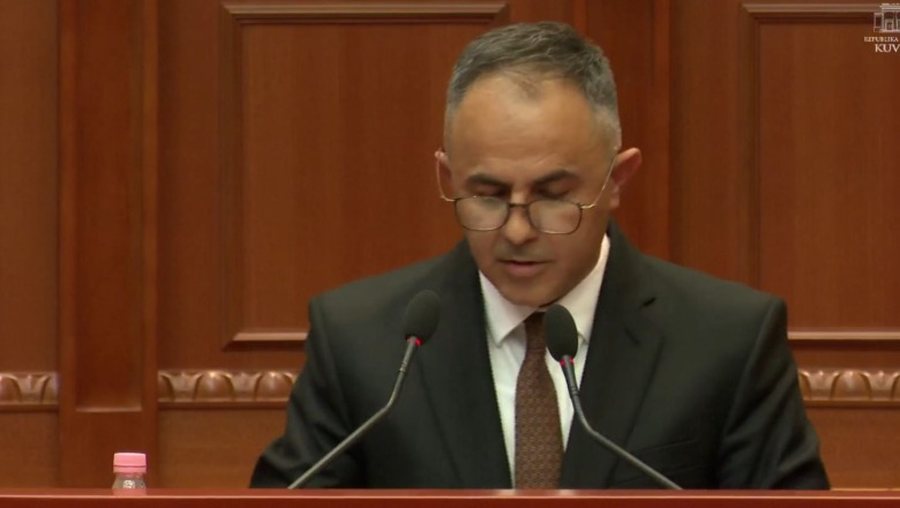
Ilir Rusi, head of the High Judicial Council, presenting the annual report of the institution he leads, has criticized the budget.
He said that only 2/3 of the budget requested by the Supreme Court of Justice has been approved, explaining that most of the fund goes to magistrates' salaries and a small percentage to investments.
" Every time we ask, not everything is given. In 2024, 2/3 of the budget requested by the Supreme Court was given. Of these, 90% are for salaries and operational services. If funding is provided for salaries, it is an obligation that there is no unpaid work.
10% of them were for capital investments. Even in 2025, the same situation results. We are in conditions where about 30% of the requested budget is not approved by the Assembly. The budget that is approved goes for salaries and social security, and about 12% of them go for capital investments.
There has been a constant request for infrastructure, the court of first instance in Tirana, the Court of Appeal, for Berat, Fier, Durrës, Lezha, Shkodra, Kukës and none of the relevant funds have been approved. The third, has been funding for security in the courts. The only budget year when funding for security in the courts has been approved was 2022. In the years 2023-2024, despite our requests, this item regarding security in the courts through technological devices such as cameras, alarms, detectors has not been approved ...”, said Rusi.
Rusi emphasized that in 2024, the Council is focused on addressing one of the oldest problems of the judicial system, the reduction of backlogs. To this end, it has drafted and approved the National Strategy for Reducing the Number of Backlogs in Courts (2024-2027).
" Although a year has passed since the full implementation of the judicial map, improvements in efficiency have been observed in the judicial system. In September, the case resolution rate reached 96%, indicating an improvement in the liquidation of cases. One factor that has a negative impact is the lack of judges. In order to implement these measures and address the backlog of cases, the Council has approved a strategy for reducing them in the period 2024-2027, containing concrete legal and administrative measures aimed at resolving the problems that cause the high number of cases and reducing them in the coming years ," Rusi stressed.







Lini një Përgjigje