


 Shkruar nga Uran Butka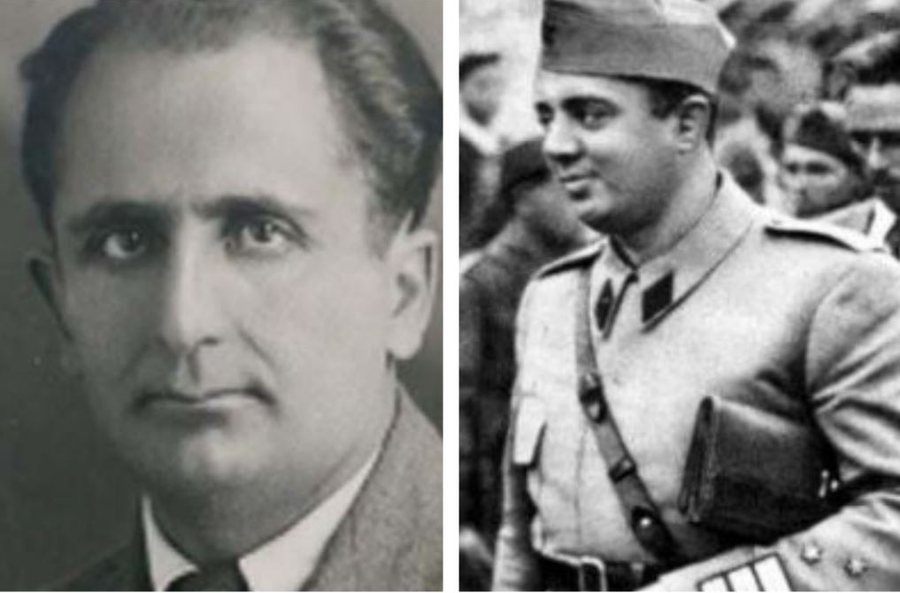
"For cruelty, communism and Nazism have nothing to envy each other!" Giorgio Braccialarghe, anti-fascist imprisoned with Lalazar Fundo in Ventotene
Llazar Fundo was a tragic representative of those Albanian leftist intellectuals, who embraced communism as a savior ideal for humanity, but who were completely disillusioned by the criminal practice of communism in Russia and other countries and became one of the opponents of that inhumane system. and anti-democratic, even one of his victims.
He completed high school at the French Lyceum of Thessaloniki and advanced law studies in Paris, a man with extensive Western culture and a friend of prominent personalities of the time: E. Hemingway, A. Barbys, R. Rolan, L. Pirandelo, S. Pertini, A. Einstein, Gj. Dimitrov, FS Noli, L. Gurakuqi. A. Rustemi etc.
It played an important role in the democratic movement of the 30s-40s in Albania and beyond. After the murder of Avni Rustemi, he was elected chairman of the "Bashkimi" society and helped in the June Uprising of 1924. He then emigrated to Europe and took part in the revolutionary wing of the Albanian political emigration there. He wrote articles in the newspaper "National Liberation" and in the European press. He went to BS to study and get to know the Soviet experience that was so hyped up close, he even became part of the Comintern, but there he found Stalinist tyranny, state crime, and the biggest fraud, which he denounced with courage. From Moscow he wrote to Noli: "Communism, which we idealized as Christ, surpassed even Satan in terms of wickedness."
The Comintern sentenced the "renegade Fundo" to death, and he could barely escape by going through the underground catacombs of Moscow and taking refuge in one European country in another.
"He escaped the purges," wrote E. Hoxha. "After that he lived sometimes in France, sometimes in Switzerland and elsewhere, where he waged a furious war against communism, against BS, against Stalin".
On the eve of the fascist occupation of Albania, he returned to his homeland and openly opposed this occupation. "On the eve of the fascist invasion, - E. Hoxha wrote boastfully, with cynicism and envy, - at the peak of the popular demonstration, Zai Fundo climbed the steps of the town hall and delivered an anti-fascist speech, full of precise figures and gestures. We knew the real figure of the renegade, we didn't eat his words, but nevertheless they made the effect".
For Fundo's open opposition to the occupation, in 1941 he was imprisoned and interned in Ventotene, Italy, together with many other anti-fascists, such as Safet Butka, Abaz Ermenji, Selman Riza, Faslli Frashëri, Myzafer Pipa, Gani and Said Kryeziu. Hasan Reçi, Sadik Bekteshi, etc.. Sandro Pertini appreciated Llazar Fundo, when he said: "Zai Fundo is a valuable personality not only for Albania, but also for Europe".
The prisoners in Ventotene, including the Albanian anti-fascist intellectuals, helped not only in the anti-fascist resistance, but also in the drafting of a political project for a United Europe after the war, which was called the "Ventoten Manifesto" and became the basis of the subsequent construction of the United Europe. But, neither the "History of Albania", nor that of the NC War, mentions these outstanding contributions of the first Albanian anti-fascists
"Among the internees there is also an Albanian, Llazar Fundo, who studied in Paris, at the Sorbonne and has traveled all over Europe, been to Moscow. After breaking away from the Communist Party, he joined the Socialist Party. Generous, open, very cultured, with a boyish spirit: he immediately becomes Pertin's friend. They meet once again, for the last time, in Rome, in August 1943. Pertini begs him to stay, but Fundo will return to Albania to fight with his people."
Altiero Spinelli, the distinguished European pianist imprisoned in Ventotene, wrote: "The political composition of the colony of Ventotene was at first similar to that of Ponza. The first news was the arrival of some 50 Albanians. There were also a dozen intellectuals who had studied in the best universities in Europe, spoke three or four languages besides their own, and who had been imprisoned for attempting to organize national resistance. I feel it my duty to speak here about Fundo, so that his memory does not disappear completely. He was the most authoritative man among all Albanians, as he had a long and complicated political experience... Added to this was his intelligence and knowledge of quite a few languages; his political activity went beyond Albania."
It is understandable why Llazar Fundo, after being released from exile by the Allies, came together with Gani and Said Kryeziu to Kosovo and became involved with the "Kryeziu" movement. "His bright mind, - writes the British P. Kemp, - his honesty and courage had made him win their trust and admiration (Chiefs - UB) by being appointed as chief political adviser on the battlefield. His knowledge of seven foreign languages made him extremely useful in this service.”[6]
Të gjitha dokumentet që ruhen në Arkivin e Shtetit Shqiptar, dëshmitë e bashkëkohësve, konstatimet e misionarëve britanikë (Emeri, Kemp, Simkoks, Hill, Hibbert etj), pohimet e letrat, radiogramet e vetë udhëheqësve komunistë (E.Hoxha, F.Hoxha, etj), bile edhe disa udhëheqësve të PKJ (Tito, Stoiniç, Dizdareviç etj); pra, gjithçka provon se Kryezinjtë, e bashkë me ta edhe Fundo, luftuan kundër pushtuesve gjermanë në Tropojë, Gjakovë etj..
Lëvizja “Kryeziu” është një nga lëvizjet e rëndësishme çlirimtare në Malësinë së Gjakovës dhe më gjerë. Në krye të saj ishin vëllezërit Hasan, Gani dhe Said Kryeziu, si edhe Llazar Fundo. Kryezinjtë, si luftëtarë nacionalistë, nuk pranuan të hynin në Frontin NÇ të Shqipërisë, sepse shikonin tek Fronti NÇ Partinë Komuniste Shqiptare, që realisht drejtohej nga emisarët e PK Jugosllave M. Popoviç, D. Mugosha, V. Tempo, V. Stoiniç etj. Por nuk u inkuadruan as tek partitë e tjera. Kryezinjtë mendonin që nuk duhet ta bënin lëvizjen e tyre pjesë të partive apo të organizatave politike dhe, duke qëndruar si forcë e paangazhuar ndërmjet dy grupimeve kryesore të rezistencës shqiptare, por edhe duke luftuar në bashkëpunim me ta e faktorët e tjerë, do t’i shërbenin më mirë luftës për çlirim dhe çështjes kombëtare.
Edhe propozimit për të hyrë në Lëvizjen NÇJ të Kosovës, Kryezinjtë iu përgjigjën negativisht, sepse Lëvizja Nacionalçlirimtare e “Kosmetit” ishte pjesë e Lëvizjes Nacionalçlirimtare të Jugosllavisë dhe varej nga KQ i PKJ, që mbante qëndrime paternaliste dhe kishte synime shoviniste e gllabëruese ndaj Kosovës, madje edhe ndaj Shqipërisë. Nga ana tjetër populli shqiptar i Kosovës, për shkak të robërisë 30-vjeçare serbe, politikave koloniale, gjenocidiste dhe shkombtarizuese serbomëdha, nuk mund të mbështeste asnjë lëvizje që vinte nga Serbia apo aleatët e saj, aq më pak komunizmin që bartte lufta e tyre nacionalçlirimtare.
Kështu, Lëvizja “Kryeziu” ruajti një fizionomi të vetën dhe një filozofi të vetën: një Kosovë e lirë mbi bazën e luftës antifashiste, pa flirte e bashkëpunim as me serbokomunistët dhe as me okupatorët nazifashistë. Mirëpo kjo lëvizje çlirimtare, ngjalli kundërshtimin e komunistëve të Shqipërisë dhe të Jugosllavisë, që u përpoqën bashkërisht ta asgjësonin.
Pothuaj në çdo letër, radiogram, qarkore etj., që Titoja i dërgonte PKSH dhe E. Hoxhës, porosiste asgjësimin e Llazar Fundos, duke përcjellë jo vetëm vendimin e Kominternit, por edhe shqetësimin e tij për Lëvizjen “Kryeziu” e Zai Fundon, që përbënin një kërcënim për interesat jugosllave në Kosovë e në Shqipëri.
Edhe udhëheqësit komunistë të Kosovës e dëshironin këtë dhe bashkëpunimin me E. Hoxhën për likuidimin e Zai Fundos e të Kryezinjve. “Suksesi i vëllezërve Kryeziushihej me xhelozi nga partizanët kosovarë të udhëhequr Fadil Hoxha dhe Mehmet Hoxha”. – shkruante Hibbert.
Në radiogramin dërguar Liri Gegës, datë 8.8.1994, E .Hoxha udhëzonte: “Pranë Kryeziut është Zai Fundo. Para një muaji ka biseduar Fadil Hoxha me shokët e Kosmetit. Ka dijeni edhe Dushani e Rade. I thashë Fadilit ta vrasë pa marrë parasysh asnjë rrethanë”.[8]
Udhëheqësi i PKSh dhe i Luftës Nacionalçlirimtare shqiptare i kërkonte Fadil Hoxhës që “ta vrasë Zai Fundon pa marrë parasysh asnjë rrethanë!” Vetëm një terrorist e kriminel mund të vepronte kështu. “Ka dijeni Dushani e Rade!”- thoshte E. Hoxha. A nuk flet qartë edhe kjo për bashkëpunimin midis udhëheqjes së PKJ dhe udhëheqësve të PKSH për vrasjen e shqiptarëve, dhe në mënyrë të veçantë të LL. Fundos?
Kur luftëtarët e Gani Kryeziut, ku bënte pjesë edhe Ll. Fundo dhe britaniku Simkoks, luftonin kundër gjermanëve për çlirimin e Gjakovës, shtator 1944, u sulmuan pabesisht nga të dy anët e kufirit: nga Ushtria NÇ e Shqipërisë, Brigada V S e komanduar nga Shefqet Peçi dhe Manush Myftiu, si edhe nga aradhet e Ushtrisë NÇ të Jugosllavisë, të komanduara nga Fadil Hoxha.
Asgjësimi i Lëvizjes “Kryeziu” ishte rezultante e marrëveshjes dhe e këtij bashkëpunimi, e pohon edhe vetë E. Hoxha: “Interesi i dy partive tona dhe i luftës sonë të përbashkët kërkon që këta armiq (Kryezinjtë –shën.im. UB) të dënohen ashpër Njerëz të tillë meritojnë plumbin ballit. Ushtria jonë nacionalçlirimtare i kapi këta banditë dhe i dënoi me vdekje” (E. Hoxha vepra I)
E. Hoxha i dërgoi më 21.09.1944 Korparmatës së Parë, në mënyrë shumë konspirative Liri Gegës, e plotfuqishme e KQ të PKSH ne Veri, përgjigjen e mëposhtme: “Mos kërkoni më nga Ganiu të dorëzohet, por me çdo kusht dhe me ashpërsi të sulmohet dhe të vritet. Duhet të veproni sa më parë, se mund t’i vijnë në ndihmë kosovarët.” [9]
E. Hoxha i konsideronte kosovarët kundërshtarë. Ai merrte me gjakftohtësi autorësinë e këtij krimi: “U dhamë urdhër forcave tona t’i gjurmonin, t’i ndiqnin, t’i kapnin dhe t’i shpartallonin Kryezinjtë së pa filluar mirë puna. Urdhri ishte zbatuar, tradhtarët ishin kapur. Zai Fundoja, Said Kryeziu dhe majori anglez Simkoks në mal të Dobrejt, ndërsa Gani Begu në fushë të Bytyçit, ku kishte ngritur çadrat e kuartierit të luftës, të sjella nga Anglia.” [10]
Udhëheqësi i Luftës Nacionalçlirimtare, E. Hoxha i ktheu menjëherë këtë radiogram Korpormatës I:
“Zai Fundon ta torturoni deri në vdekje dhe pastaj ta pushkatoni. T’i kërkohet të japë sqarime për këto pyetje: Pse ka ardhur në Kosovë, kush e ka dërguar dhe me ç’direktiva; cilat janë qëllimet e Ganiut dhe të anglezëve. Të japë sqarime për aktivitetin e mëparshëm dhe për tradhtinë e tij. Deponimet e Zait na i dërgoni këtej. Zain e vrisni andej”.
The commander of the 5th Brigade of the NC Army, Shefqet Peçi, dragged Fundo, tied to the saddle of a mule, from Mount Dobrej to Kolesian i Luma and after torturing him to death, according to the order of E. Hoxha, forced him to give explanations for the questions that Pons Pilate sent him by radiogram. Question: Why did you come to Kosovo? Fundo replied: "I agreed to come to Kosovo hand in hand." I only wanted to crown this career with the fight against the Germans. I came because here I found a square where I can fight against the German. Those who know me, know that I am not a two-faced person and I am not one to take directives wherever they come. Who would send me to Kosovo?"
In response to other questions before the shooting, Fundo replied: “I'm not a communist. The truth is that I was never exactly a communist. The deadline passed. I don't know what to say anymore. If I had had things to say, I would have said them. Yes, I can't slander to save my head. I cannot violate my conscience. Therefore I am sealing my death. Please, if possible, take the photos I have in my bag to my mother, if she is alive"-LL. Fundo (Firm).
Shefqet Peçi immediately shot him without trial on September 23, 1944, according to the order of Enver Hoxha: "Torture Zain to death and kill him there, as if he was not a man, an Albanian, a personality of the nation and an outstanding anti-fascist fighter , but like a dog: kill him there." So that his grave was not even known.
"The brutal murder of Fundo, wrote the British Hibbert, was proof of the unacceptable nature of the communist power."
While F. Noli, when he found out about the shooting of LL. Fundo, wrote: "What is left for Albania, we are spoiling other great people like Fundo!"
Ernesto Rossi, in a letter sent from Rome to Stavro Skëndi, an Albanian nationalist exiled in Ventotene, a friend of Spinelli and Rossi, remembers Llazar Fundo like this: 'I learned with great pain of Fundo's death. He was a generous, intelligent man, who could have made an outstanding contribution to the reconstruction of his country, if the world would not have gone downhill, as it is doing now."
Giorgio Braccialarghe, an anti-fascist imprisoned in Ventotene, wrote about Llazar Fundo: "Among the Albanians, Fundo stood out, an intellectual who had been a leading member of the communist party and who had then moved to the opposition. He lived completely isolated, immersed in the study of Greek, as if he sought from Homer the friendship he could not find among his contemporaries. With the fall of fascism, he returned to his homeland to fight against the Germans. His former comrades prepared a terrible end for him, showing once again that in terms of cruelty, Communism and Nazism have nothing to envy each other!"


Lini një Përgjigje