


 Shkruar nga Pamfleti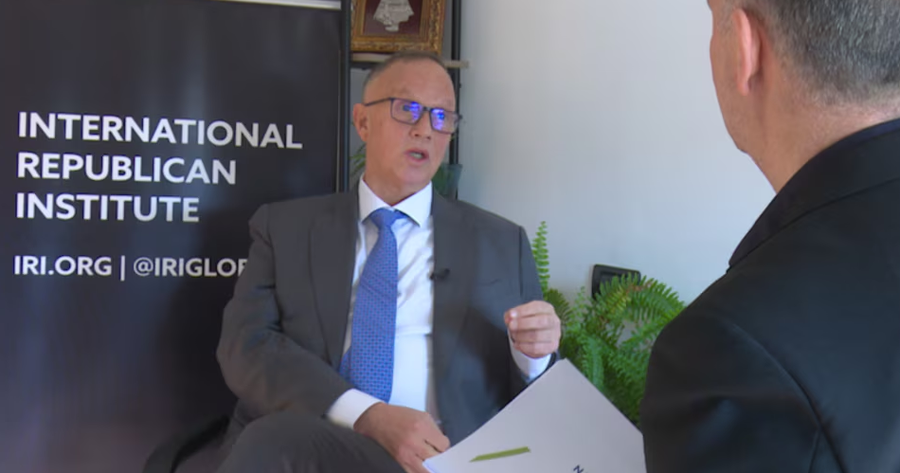
More than half of respondents (51%) from all age groups stated that they would not support any party in the elections that supports laws to limit the work of SPAK.
The International Republican Institute (IRI) has just published its National Survey for Albania, which shows high levels of support among citizens for SPAK, which continues to be the most trusted institution in the country. Most respondents expect more investigations and punishments of corrupt politicians, as corruption is a major concern for them. They stated that they will not support parties in the elections that support laws to restrict SPAK’s work. IRI’s Albania Director, John Fluharty, told Voice of America that citizens support anti-corruption efforts to improve their lives. He emphasized that the fight against corruption restores people’s trust in democracy.
SPAK
The National Survey of the International Republican Institute (IRI) found that the Special Structure Against Corruption and Organized Crime (SPAK) is today the most trusted institution in Albania (76%), followed by the police, the army and religious institutions, while the least trusted institutions are the Parliament and political parties.
The study is based on the responses of one thousand two hundred citizens aged 18 to over 56.
The majority of respondents (59%) believe that the reform of the justice system is effective, while (70%) of them believe that the effectiveness of justice increased after the vetting of judges and the establishment of SPAK.
Nearly half of respondents (47%) think that the creation of SPAK is the best result of justice reform, followed by vetting (27%) and (13%) the weakening of political influence over the courts.
After the completion of the justice reform, citizens believe that the most important things to do now are fighting corruption, investigating and punishing politicians, and ensuring independence from government influence.
They trust the US (46%) and the EU (37%) more to monitor the new justice institutions, including SPAK and the courts, several times less to the Prime Minister (7%), and only 1 percent trust the Parliament.
More than half of respondents (51%) from all age groups stated that they would not support any party in the elections that supports laws to limit the work of SPAK.
Nearly 40 percent of citizens stated that their assessment of SPAK would improve if SPAK investigated politicians they have supported in the past.
“Për të tretën herë në anketat tona SPAK-u është institucioni më i besuar në Shqipëri, - tha për Zërin Amerikës, John Fluharty, drejtori i IRI-t për Shqipërinë. - Një numër i madh i qytetarëve pohuan që nëse SPAK-u do të hetonte një kandidat apo parti, që ata kanë mbështetur më parë, kjo do të rriste mbështetjen e tyre për SPAK-un. Akoma më domethënëse është gjetja që nëse njerëzit zbulojnë se kandidati ose partia mbështet kufizimin e SPAK-ut për të bërë detyrën e tij, ata do të kenë më pak gjasa të mbështesin atë parti apo kandidat. Kjo do të thotë se qytetarët kanë shpresë. Ata shohin shpresë në punën e SPAK-ut, shohin shpresë në luftimin e korrupsionit, që më parë nuk e kishin. Kjo është vërtet domethënëse”, tha zoti Fluharty.
Korrupsioni
Nga ana tjetër, korrupsioni mbetet një ndër shqetësimet kryesore në Shqipëri, teksa 71 për qind e të anketuarve e cilësojnë këtë dukuri si një problem serioz.
Pjesa më e madhe besojnë që korrupsioni është më i përhapur në shërbimet publike si doktorët, mësuesit dhe policët, e më pas ata renditin kryeministrin me kabinetin qeveritar, drejtësinë, drejtuesit e partive politike e të biznesit si dhe zyrtarët vendorë.
Pjesa më e madhe të anketuarve shprehen se problemet më të rëndësishme që përballet vendi aktualisht janë ekonomia me çmimet e larta dhe kostot e jetesës, papunësia dhe korrupsioni, pasuar nga shëndetësia, kriminaliteti dhe migrimi.
Krahasuar me një vit më parë, shqetësimi për ekonominë ka rënë me 11 pikë, por shqetësimi për korrupsionin është rritur me 2 pikë.
Pjesa dërrmuese e të anketuarve pohuan që nëse zgjedhjet mbahen sot, çështjet përcaktuese për votën e tyre janë pensionet, ekonomia dhe antikorrupsioni.
Ata besojnë se arritjet më të rëndësishme të qeverisë aktuale janë infrastruktura, integrimi europian dhe reforma në drejtësi, por tek dështimet më të mëdha të qeverisë qytetarët renditën pensionet, ekonominë, emigrimin dhe korrupsionin.
Qytetarët e anketuar mendojnë se përparësitë kryesore që qeveria duhet të trajtojë janë ekonomia, pagat dhe pensionet, punësimi, shëndetësia dhe lufta kundër korrupsionit.
“Korrupsioni nuk është vetëm një çështje paligjshmërie, por është një çështje ekonomike, sepse ai ndikon në aftësinë e njerëzve për të pasur punë, në koston e jetesës, si dhe në meritokraci, -thotë zoti Fluharty i IRI-t. - Njerëzit e cilësojnë korrupsionin si çështje parësore, por nuk mund ta shkëputin nga çështjet e SPAK-ut, sepse ata po dëmtohen ekonomikisht, dhe e shohin korrupsionin si një nga shkaktarët e dhimbjeve të tyre, rritjes së kostos së jetesës, çmimeve të larta të ushqimeve. Njerëzit pohuan në sondazh që gjërat do të përmirësohen, pasi korrupsioni po trajtohet. Fokusimi kundër korrupsionit është si një Reset Button për vendin, një mundësi për të rivendosur në një kurs të ri gjërat e vendit drejt anëtarësimit në BE, ndryshe sa ndodhën në tridhjetë vitet e fundit”, theksoi drejtori i IRI-t.
Demokracia
Nga Anketa e Institutit Republikan doli po ashtu që më pak se gjysma e të anketuarve (49%) janë të kënaqur me mënyrën si po zhvillohet demokracia në vend, ndërsa gjysma tjetër shprehen të pakënaqur dhe shumë të pakënaqur.
Pjesa dërrmuese e qytetarëve të anketuar besojnë se demokracia është forma më e mirë e mundshme e qeverisjes së vendit.
Por vetëm një e treta e tyre mendojnë se vendi po qeveriset në interes të shumicës së popullatës, ndërsa afro dy të tretat (62%) shprehen se qeverisja punon për interesat e disa grupeve.
Ky perceptim është më shumë i përhapur tek të anketuarit nga 18 deri 35 vjeçarë (72%), por kjo është një përgjigje e qëndrueshme edhe në moshat e tjera nga 36 deri mbi 56 vjeç e lart (59%).
Të pyetur nëse të rinjtë e sotëm kanë një të ardhme të mirë në Shqipëri, më shumë se gjysma e qytetarëve të anketuar (57%) përgjigjen negativisht, kundrejt 40 për qind të atyre që shprehen pro një të ardhme të mirë.
Krahasuar me një vit më parë, përgjigja se rinia nuk ka një të ardhme të mirë në atdhe sivjet është përkeqësuar me 3 pikë. Shumica e të anketuarve në këtë përgjigje negative janë të rinj, por po ashtu janë shprehur njëlloj edhe shumë të anketuar nga të gjithë grupmoshat.
“Gjetjet kryesore të sondazhit, - thotë drejtuesi i IRI-t, John Fluharty, - janë se qytetarët shqiptarë vazhdojnë të kenë shqetësime për ecurinë e demokracisë shqiptare, por ata e duan idenë e demokracisë dhe duan të shohin që të hidhen hapa gjigantë përpara. Ata e shohin SPAK-un si një mënyrë për të ndihmuar, që kjo të ndodhë. Qytetarët mbështesin përpjekjet kundër korrupsionit, sepse ata e kuptojnë që e gjithë kjo lidhet me përmirësimin e cilësisë së jetës së tyre. Lufta kundër korrupsionit është një mënyrë e mirë për të rikthyer besimin e njerëzve tek demokracia, sepse ligji dhe barazia para ligjit është shtylla e demokracisë”, - tha zoti Fluharty.
Zgjedhjet
Lidhur me zgjedhjet e ardhshme, qytetarët shprehin masivisht gatishmëri të lartë për të votuar, ndonëse janë ndarë baras sa i takon pyetjes nëse njerëzit e thjeshtë mund të ndikojnë në vendimmarrjen e vendit.
Afro dy të tretat e të anketuarve (62%) thonë se zgjedhjet apo ofertat në politikën shqiptare janë shumë të kufizuara dhe se forcat e reja politike duhet të ofrojnë alternativa të tjera në zgjedhjet e ardhshme.
Ky mendim mbizotëron në të gjithë grupmoshat. Kjo përgjigje e re vjen tani nga të anketuar, mbi 90 për qind e të cilëve pohuan se në zgjedhjet e kaluara kanë votuar për njërën nga dy a tre partitë më të mëdha.
Aktualisht një e treta e të anketuarve nga të gjithë grupmoshat shprehin pëlqim për partitë e reja, që janë krijuar së fundi. Anketa zbuloi po ashtu se, krahas katër partive më të hershme (PS, PD, PSD, PL), qytetarët shprehin besim edhe në katër parti të reja (Shqipëria Bëhet, Partia Mundësia, Lëvizja Bashkë dhe Nisma).
Drejtori i IRI-it, Fluharty, thekson që partitë politike janë në fund të tabelës së besimit nga qytetarët dhe ky është një mesazh për to.
“The poll,” says Mr. Fluharty, “doesn’t see elections as a head-to-head horse race; who wins them is not as important as the conversation about who political parties belong to: Do they belong to a group of people who have the same views, or do they believe in an individual. There is a gap in the fundamental understanding of citizens about which party they belong to, what they represent, what ideology and programs they have, because when people stay connected to particular individuals, there is always a question about the motive for this,” added the IRI director for Albania.
In the IRI survey, only a minority (16%) said they are unlikely to vote in May, because according to them, votes and elections do not matter, that no candidate or party inspires or represents them.
The majority of respondents (58%) believe that the upcoming elections will be free, compared to 40 percent who think the opposite.
The vast majority of respondents who are expected to vote for the SP (90%) think that the May elections will be free, while three-quarters of those who are expected to vote for the DP say that the elections will not be free.
The majority of respondents (58%) believe that the CEC is capable of organizing and supervising elections, but the remainder (41%) have little or no trust in the CEC.
The survey revealed a growing concern among citizens about possible violence in the elections, almost double the level of a year ago. A year ago, 27 percent of citizens expressed this concern, while today they are almost double (45%). The vast majority of respondents who raise this concern about possible violence in the elections belong to the group that is thought to vote for the Democratic Party.
Regarding support for politicians, the survey highlights significant differences between Socialist Prime Minister Edi Rama (35%), versus Democratic Party (DP) leader Sali Berisha (14%), but at the other end of the table, trust in other figures is just as high (26%), as is complete distrust in any politician (28%).
Over 60 percent of respondents believe and hope that their future will be better, while the rest (around 40%) do not have much hope for a better future, but even claim that they have fear, worry and uncertainty about the future and do not believe in any improvement in this regard.
More than half of IRI respondents (52%) said the country is heading in the right direction, down 6 points from a year earlier (58%). However, the Rama government enjoys overall approval from more than half of respondents (58%), including in terms of effectiveness (55%).
The vast majority of citizens (74%) claimed that they are sufficiently informed about the upcoming elections, but want more information about party programs and their candidates.
On the other hand, the vast majority (88%) of respondents said they have not seen any party activists in their area in the last 12 months. /VOA/



Lini një Përgjigje