


 Shkruar nga Pamfleti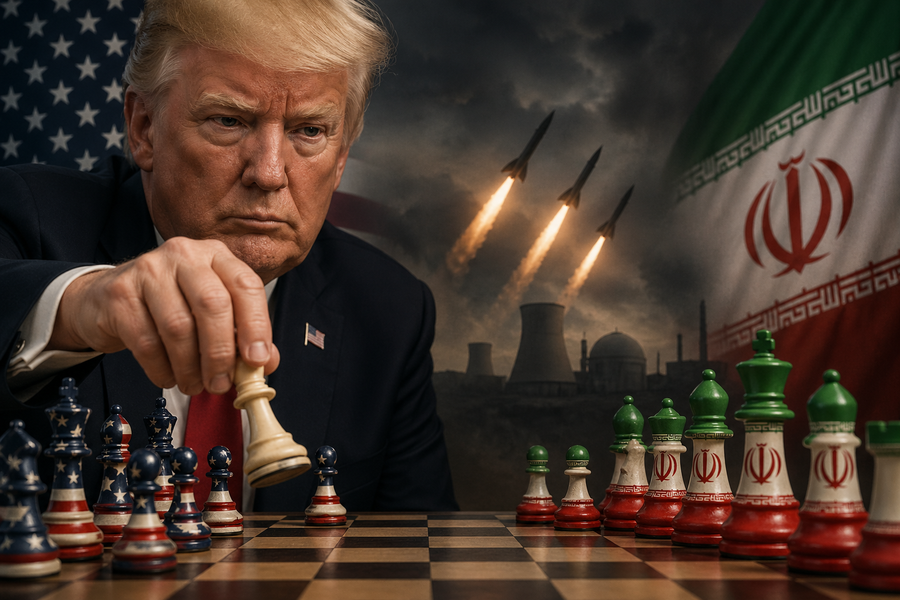
Trump increases pressure on Iran, but avoids decisive step towards attack
Despite recently published reports of new military plans against Iran, Israeli and American sources told The Jerusalem Post that the current situation is expected to remain a "game of nerves" between the two sides, with no immediate escalation.
According to these sources, although US President Donald Trump has been briefed on new possible options for attacks on Iran, in reality these scenarios have been under discussion since early March and do not constitute new developments.
The sources also point out that, despite numerous opportunities to act, Trump has so far chosen to avoid the additional risks that a military escalation would bring.
On April 7, the US president declared a unilateral ceasefire, without receiving any concrete guarantees of concessions from Iran. The decision came at a time when political support for the war was beginning to decline sharply within the US.
According to the analysis of sources, while the first days of the conflict were accompanied by a wave of support, the prolongation of the war and the rise in fuel prices changed the attitude of public opinion. A large part of Americans, including Republicans, oppose a prolonged involvement in the Middle East.
Rising fuel prices remain a key factor. They remain significantly higher than before the war and, if they do not come down in the coming months, projections indicate that the Republican Party could face consequences in the midterm elections.
On the other hand, the absence of an open conflict or new escalation in the region could ease political pressure in the short term and create space for price reductions.
Sources emphasize that, essentially, the situation has not changed since the moment Trump decided to stop the war without receiving concessions from Iran and then extended the deadlines and the ceasefire several times, again without concrete results.
According to them, recent media leaks may signal efforts to increase pressure on Tehran and secure concessions before any further decisions.
Negotiations between the parties remain deadlocked. Iran appears to be pursuing a wait-and-see strategy, calculating that it can withstand economic pressure longer than the US can withstand political pressure from high energy prices.
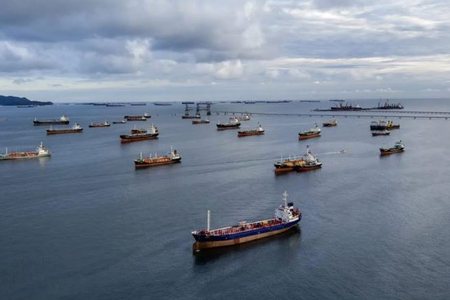
Meanwhile, the Trump administration believes that the blockade of the Strait of Hormuz will further worsen Iran's economic situation and force it to give up.
However, the sources note that so far there are no signs that this strategy has forced Iran to change its stance. On the contrary, the fact that Trump has avoided escalation could be interpreted as a weakness in this "game of nerves."
Even after a successful US military operation to rescue a downed pilot inside Iranian territory, which required the engagement of special forces, the president has not authorized further ground action.
According to American and Israeli officials, any large-scale ground operation would be far more risky. Unlike limited operations, strategic targets such as the Strait of Hormuz or Kharg Island are well known to Iran, making the element of surprise difficult.
Under these conditions, US forces would face a higher risk of missile and drone attacks, as well as potential ambushes. Also, transporting troops to certain areas would expose them to attacks while on the move.
Experts emphasize that even in the event of a successful initial operation, holding positions for weeks or months would significantly increase the risk of loss and failure of strategic objectives, such as guaranteeing navigation in Hormuz.
One of the most difficult options remains an operation to secure or destroy Iran's enriched uranium in Isfahan, which would require specialized equipment, experts, and extensive military protection. The duration and success of such a mission remain uncertain.
According to The Jerusalem Post, the chairman of the Joint Chiefs of Staff, General Dan Caine, has expressed opposition to such operations due to the high risks, which explains why they have not been undertaken so far.
An alternative mentioned by former CENTCOM commander General Kenneth McKenzie is indirect control of strategic areas through air strikes and rapid operations, without permanent deployment of ground troops.
However, according to sources, Trump has not yet reached the point where he will make such decisions. He is expected to continue to monitor developments for several more weeks, before considering more risky steps in confronting Iran. / Adapted from "Jerusalem Post"



Nuk është e vështirë të fillojë një konflikt. Është e vështirë ti jspësh fund.
Ta harroje lojen e shahut Trump se shahu eshte shpikur ne Iran e nuk fiton ne shah me ta.