


 Shkruar nga Pamfleti
Clash in Congress between Pentagon, lawmakers and economists over the real cost of the conflict
US Defense Secretary Pete Hegseth confronted US lawmakers over the cost of war with Iran in his first appearance on Capitol Hill since the outbreak of the conflict, which has now entered its third month.
During a hearing at the House Armed Services Committee, the Pentagon stated that the United States has spent about $25 billion on the war, mainly on ammunition and maintenance of military equipment.
However, Democratic leaders and some economists consider this figure a significant underestimate. According to them, the real cost to the American economy and the country's 330 million citizens could reach between $630 billion and $1 trillion.
During the hearing, Hegseth responded to critics in Congress, calling the positions of some Democrats and Republicans an obstacle to addressing current challenges. His comments came at a time when the administration faces growing pressure for a lack of transparency on war spending.
Acting Pentagon Comptroller Jay Hurst, who testified alongside Hegseth and the chairman of the Joint Chiefs of Staff, Dan Caine, said the $25 billion figure represents only the direct costs of the war. He added that an additional funding request would be submitted to Congress after a full cost assessment is completed.
According to Hurst, the current estimate largely includes the cost of munitions used and other operational expenses. In March, Pentagon officials informed Congress that the war had cost $11.3 billion in the first six days alone, a figure that remains significantly lower than the administration's initial request for $200 billion to fund the conflict.
On the other hand, Democratic lawmakers disputed the official estimate. Representative Ro Khanna said the real cost is much higher, highlighting the impact of the war on rising fuel and food prices in the US.
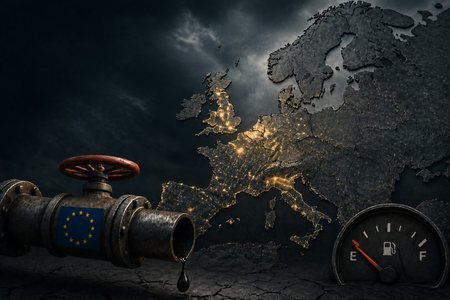
As the US continues its blockade of Iranian ports and Iran controls the Strait of Hormuz, US fuel prices have reached $4.23 per gallon, the highest level since 2022. Brent crude has traded above $120 per barrel, while the increase of about 40 percent in fuel prices compared to the pre-war period has directly affected consumers.
According to a Reuters/Ipsos poll, only 22 percent of Americans approve of the way the administration is handling the cost of living. Khanna estimated that the war could cost the U.S. economy about $631 billion, or about $5,000 per family.
Meanwhile, Harvard economist Linda Bilmes has predicted that the total cost of the war could reach as much as $1 trillion. She points out that war costs typically exceed initial estimates and are difficult to measure accurately in the early stages.
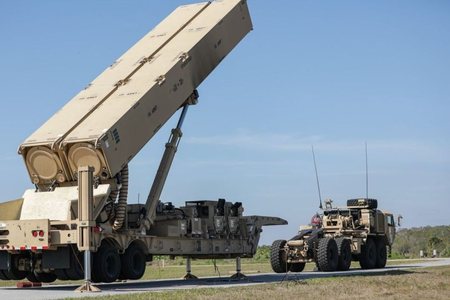
Beyond the direct costs, the conflict has had far-reaching economic and military consequences. The United States has struck over 13,000 targets in the first 39 days of the war, while the intensive use of defensive systems, such as Patriot missiles, has significantly increased costs. Each Patriot missile costs about $4 million, while it is often used to shoot down drones at a much lower cost.
Another important element is the costs of reconstruction and repair of the damage. Iranian attacks have caused damage to US military bases in Kuwait, the United Arab Emirates, Saudi Arabia and Jordan. Media reports suggest that the damage may be greater than has been made public, while repairs alone could cost billions of dollars.
A New York Times report estimates that repairs to the U.S. Navy's Fifth Fleet headquarters in Bahrain alone could cost about $200 million. However, the Pentagon admits that it does not yet have a final estimate of the damage to military installations abroad.
Experts point out that the costs of war are not limited to military operations. Long-term expenses include care for veterans, rebuilding military reserves, and economic impacts that continue after the conflict ends.
Referring to previous experiences, such as the war in Iraq, economists warn that the ultimate cost could be much higher than current estimates. In this context, the debate over the real cost of war with Iran is expected to remain a central issue in American politics, as the administration has requested a defense budget of $1.5 trillion for next year. / Adapted from "Al Jazeera"




Lini një Përgjigje