


 Shkruar nga Pamfleti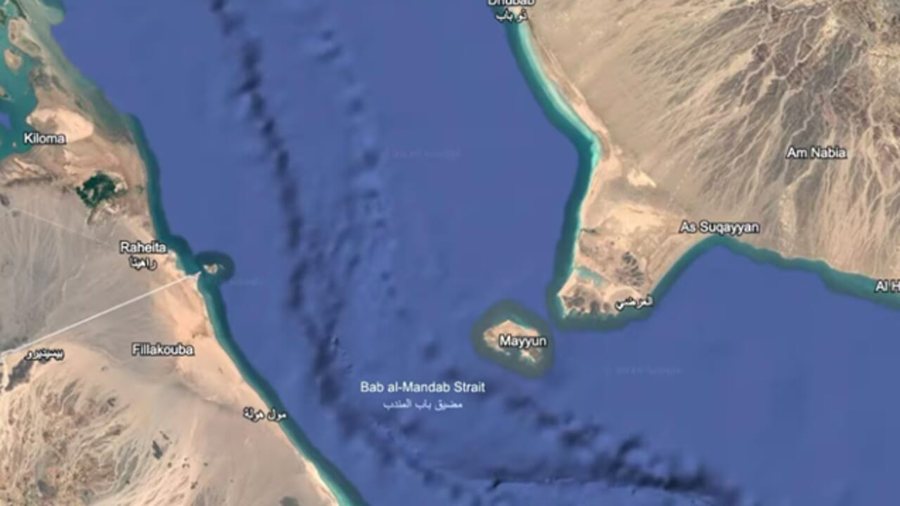
Not just Hormuz. About 12% of the world's oil trade passes through the strait between Yemen and the coast of Africa every year. After the recent Israeli attacks, Iran may seek the help of Yemen's Houthis to close the shipping lanes and put further pressure on the global economy...
The blockade of the Strait of Hormuz has already caused a deep global energy crisis, but there is another strategic node that, if closed, could further worsen the situation: the Bab el-Mandeb Strait. Following the Israeli attack on the huge South Pars natural gas field, the Islamic Republic could coordinate with the Houthis (Yemeni Shiite militia, allied with Tehran) to exert additional pressure on the global economy, attempting to close the passage.
This strait, whose name literally means “gate of tears”, is not only a geographical border between Yemen and the Horn of Africa, but also represents the southern entrance to the Suez Canal and an indispensable pillar for trade between Asia, Europe and the Mediterranean. 50 km long and 26 km wide at its narrowest point, the Bab el-Mandeb Strait is one of the most delicate and vulnerable maritime “straits”, but also of essential importance: around 12% of the world’s oil trade transported by sea passes through the “gate of tears” every year.
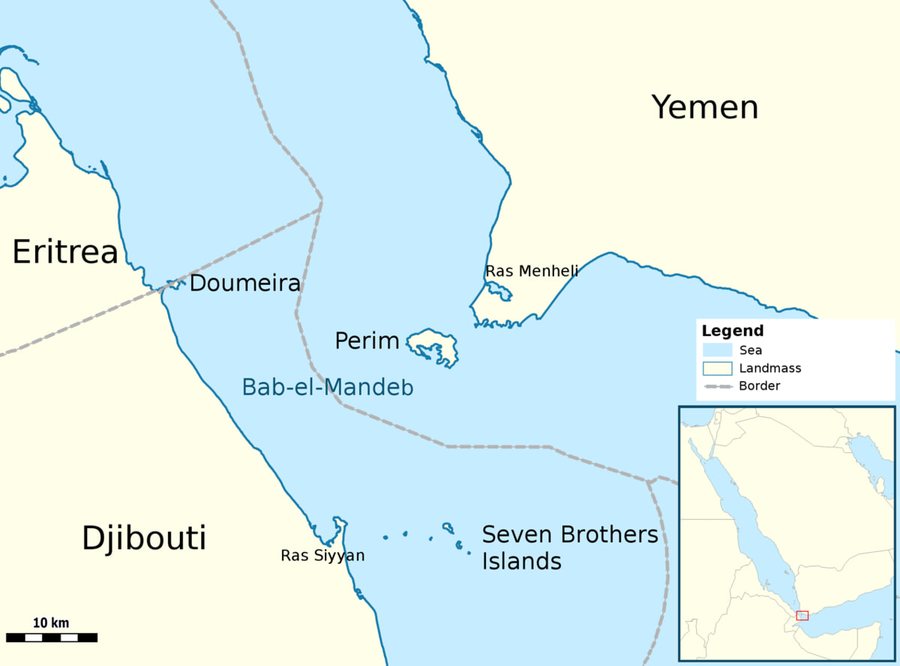
A forced blockade would force ships to undertake a tedious round-trip around Africa, adding thousands of kilometers and several days of sailing to the transport, with an immediate and devastating impact on consumer fuel prices and the stability of energy markets. The Bab el-Mandeb has played a crucial role as a connecting point between Africa and the Arabian Peninsula and was part of ancient trade routes between Asia, Africa and Europe. The British East India Company controlled the surrounding islands in the 19th century to establish sea routes to the Suez Canal.
Every ship moving between Asia and Europe via the Red Sea must pass through Bab el-Mandeb before entering the canal. What would be the consequences of a closure? The real danger would be action on several fronts: if the closure of Bab el-Mandeb were added to that of the Strait of Hormuz, through which 20% of global oil passes, the world would face the worst supply shock in decades.





Lini një Përgjigje