


 Shkruar nga Pamfleti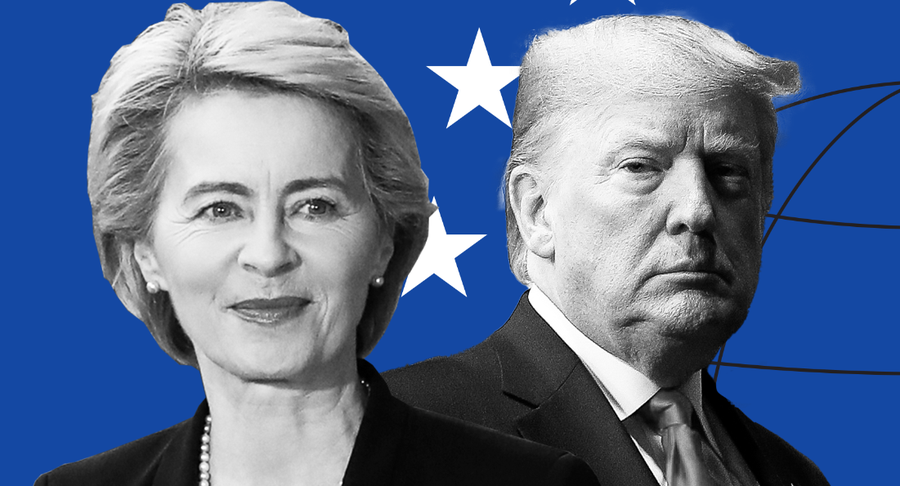
The EU executive is planning a bilateral approach with incentives and retaliatory measures to convince the White House to reach a deal...
The European Commission presented EU countries on Wednesday with a list of concessions it is willing to make to the Donald Trump administration, as well as a new list of goods that will be subject to tariffs if negotiations fail, an EU official and an EU diplomat said.
The bilateral approach allows the European Commission, which decides on trade policy on behalf of the 27 EU member states, to gain sufficient political support and enter negotiations with Washington from a position of strength. By threatening additional retaliation on top of the measures currently on hold, it also adds pressure on Washington to get real about its stated willingness to negotiate with Brussels.
Possible offers to the US listed in the so-called "term sheet" negotiated by the European Commission include increased investment in energy. Some of the EU's own regulations could also be eased.
As before, tariff cuts on imported cars and a zero-for-zero reciprocal offer on industrial goods are not off the table. Cooperation on China's trade barriers and overproduction is another area where Brussels sees room for cooperation with Washington.
However, EU diplomats warn that any offer will be severely limited by internal divisions among member states, some of which are reluctant to be seen as bowing to US pressure and others wary of antagonizing one of the EU's historic allies.
The briefing of European ambassadors was held in a restricted setting by Commission President Ursula von der Leyen's top aide, Björn Seibert, and the Commission's top trade official, Sabine Weyand, two EU diplomats said.
The meeting is a crucial step for the Commission to keep the 27 EU countries on board as it navigates the 90-day pause that Trump announced on some US tariffs. The EU's response has also been suspended, temporarily, until July 14.
The European Commission declined to comment on the measures.
Alongside the offers, the bloc is still working on a response to the 25 percent tariffs on cars and the 10 percent tariff that still applies to EU goods.
Despite previous expectations that Brussels would hit Washington in the area of services, such as Big Tech or Wall Street, the Commission chose to proceed with a more classic retaliation on goods in an effort not to escalate trade tensions with the Trump administration.
This may not be to the taste of all EU countries, with countries like France and Belgium pushing the European Commission to use all the tools the bloc has at its disposal.
France has been one of the most vocal countries on the need to respond strongly to US tariffs, while also lobbying to spare its cognac producers, who are already hard hit.
“Countermeasures must apply to the whole spectrum, not just goods, but must also include all the instruments we have,” said an Elysee official. French President Emmanuel Macron himself said last month that the EU should consider using the EU’s so-called bazooka, the anti-coercion instrument.
Macron and von der Leyen are expected to discuss tariffs on Monday in Paris, on the sidelines of an event on science and research. /Adapted from Politico Pamphlet/




Lini një Përgjigje