


 Shkruar nga Tom Kington
Migration is changing its face, but it is not disappearing as a phenomenon. On the contrary, it is transforming from a war refugee crisis into a global movement dictated by extreme inequality and the environmental crisis. Europe must understand that high walls can buy time, but they cannot keep out a world that is burning from within...
A decade after the 2015 crisis, when over 1 million people forever changed the continent's political discourse, Europe is entering a new and unknown phase. Although statistics show a significant decline in clandestine arrivals, this relative calm
It is not the product of a final solution, but of a violent reorganization of world geopolitics. From the dusty streets of Damascus to the scorching savannas of the Sahel, the map of human movement is being rewritten before our eyes.
The “Siri Effect”: When hope overcomes exodus
For years, Syria was the main engine of migration to the European Union. The fall of Bashar Al-Assad's regime has brought about a turnaround that few analysts predicted so quickly: Syrians are returning home. With over 700,000 repatriated in record time, the "Balkan Route" is becoming a secondary route.
The 43 percent drop in crossings on this axis during 2025 shows that when a conflict ends or changes direction, the desire to return home remains stronger than the temptation to seek asylum in Europe. However, for Brussels bureaucrats this “relief” is only half the story.
West Africa: The Hotbed That Is Replacing the Middle East
While the world's eyes were on Syria and Afghanistan, a much more complex crisis was brewing in West Africa. Mali and Burkina Faso are now the epicenters of a new wave that threatens European stability. Here, migration is driven not just by war, but by a deadly combination of jihadism and ecological collapse.
With Mali's population doubling to 24 million, and an economy crippled by droughts caused by climate change, its people are caught between two fires: radical militants and state failure. Experts warn that if the violence spreads to Senegal or Ivory Coast, Europe will face an influx that neither fences nor coastguards can stop.
The high cost of delegating border protection
The current EU strategy can be summed up in one sentence: “Keep them out at all costs!” Through financial agreements with countries like Mauritania, Egypt, and Tunisia, Brussels has managed to delegate border management to third parties.
Millions of euros are being poured into the pockets of regimes, often with questionable human rights records, just to ensure that migrant boats do not touch European waters. The “cash for protection” model has worked in the short term.
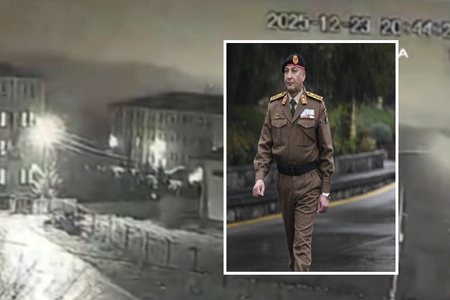
This is evidenced by the 60 percent drop in arrivals in the Canary Islands, but it creates a dangerous dependency. Because autocratic leaders like Khalifa Haftar in Libya or Kais Saied in Tunisia are using migration as a political "tap" that they turn on and off to put pressure on European diplomats.
New airways and still active "hot spots"
Despite the overall decline in landings, trafficking networks are proving remarkably adaptable to new circumstances. A new phenomenon is worrying Frontex: “package tourism migration”.
Thousands of Bangladeshis are flying to Dubai and then to Libya, entering Europe within days via well-organized air routes. On the other hand, Algeria is emerging as a key player. As the main gateway for migrants from Mali, Algeria’s position in 2026 will depend more on its geopolitical interests (such as the Western Sahara issue) than on any spirit of humanitarian cooperation with the EU.
The Great Dilemma: Vigilance or Complacency?
Although Matthew Saltmarsh of the UN says the situation is “manageable,” this is not the time to let our guard down. The low landing figures for the year we are leaving behind are an opportunity for Europe to reform its asylum systems and make real investments in countries of origin, before the next wave – driven by climate change and famine in Africa – reaches its shores.
Migration is changing its face, but it is not disappearing as a phenomenon. On the contrary, it is transforming from a war refugee crisis into a global movement dictated by extreme inequality and environmental failure. Europe must understand that high walls can buy time, but they cannot keep out a world that is burning from within. / Adapted from "Pamphlet" by "The Sunday Times"



Lini një Përgjigje