


 Shkruar nga Pamfleti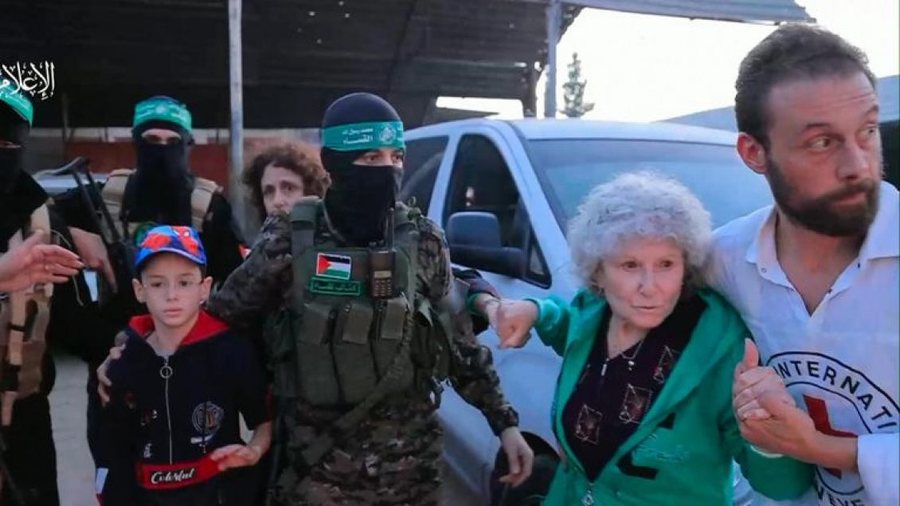
The interim ceasefire agreement between Israel and Hamas offers breathing space in the ongoing conflict.
But that doesn't signal an end to the hostage crisis — or even the beginning of its end. Either way, it gives Hamas an advantage in what is likely to become a protracted and never-ending drama.
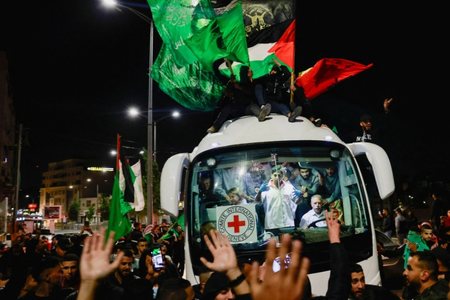
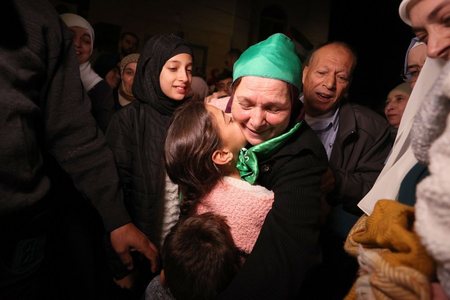
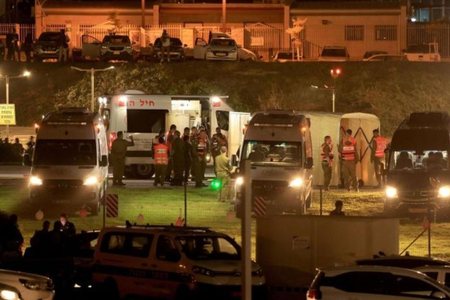
The release of dozens of elderly, women and children hostages over the next few days will be greeted with great relief by Israelis.
This means Hamas will still hold more than 150 hostages, but for them, this may be more advantageous than the larger number, the BBC reports.
First, the nearly 240 hostages initially taken probably imposed a heavy burden on the organization. Hostages need constant care, monitoring and – if necessary – relocated. If some of them are elderly, sick or have special medical needs, it makes things more complicated.
By "getting rid" of anyone who requires special attention, Hamas is not showing compassion, but mostly freeing up resources for elsewhere. This is especially true of the two dozen or so workers from Thailand and Nepal, who are of no strategic value to Hamas because they are neither Israeli nor Jewish.
Another reason is that the remaining hostages are easier to portray as "legitimate" because they are mostly Israeli soldiers or men of fighting age. Hamas will argue that they are "enemy combatants" - even prisoners of war.
Crucially, this will increase pressure on the government of Israeli Prime Minister Benjamin Netanyahu to agree on a prisoner exchange.
As in the past, when Israel agreed to release hundreds – in one case: over a thousand – Palestinians in exchange for a small number of Israeli soldiers, Hamas will demand the release of thousands of members currently in Israeli prisons.



Lini një Përgjigje