


 Shkruar nga Pamfleti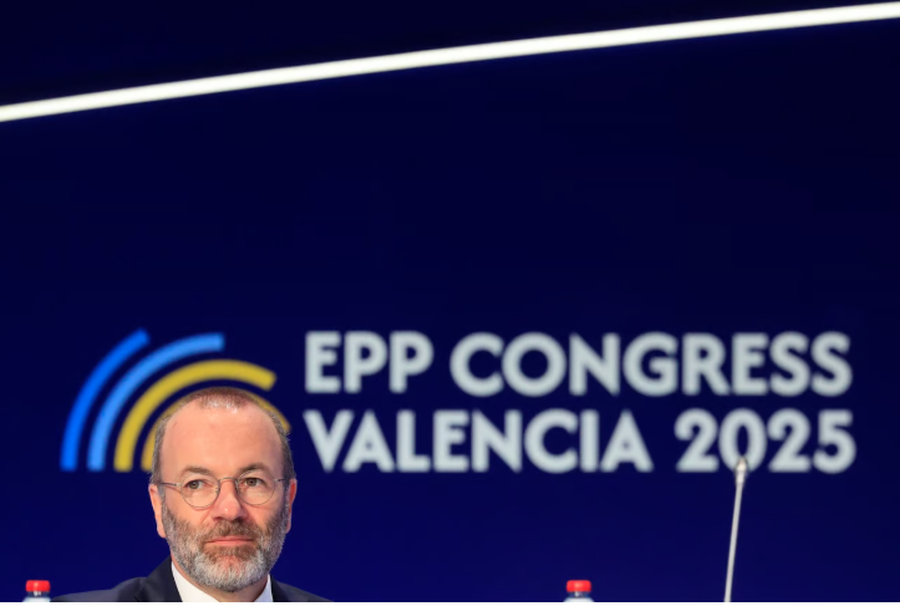
Besides giving officials and politicians an opportunity for a bit of chatter and intrigue, the EPP congress gave observers an opportunity to test the temperature of a party undergoing radical change while seeking to keep the far right at bay.
The leaders of the European People's Party gathered in Valencia this week to toast their political dominance and plan how to maintain their firm grip on the levers of EU power.
The party's annual congress got off to a shaky start, as protests against the local authorities' handling of deadly floods in Valencia last year threatened to derail the celebrations before they even got underway. In the end, the demonstrations were cancelled due to a bizarre power outage across the Iberian Peninsula - and the EPP's bigwigs got away with their bizarre decision to hold a party in the same conference centre that six months earlier was used as a makeshift morgue.
But, besides giving officials and politicians an opportunity for a little chat and intrigue, the EPP congress gave observers an opportunity to test the temperature of a party undergoing radical change while seeking to keep the far right at bay.
wINNERS
Manfred Weber's ego
Over the past 12 months, the EPP has cemented its grip on power across Europe and in the EU's three main institutions: the European Commission, the Union's executive branch, the Council, which represents the 27 member states, and the directly elected Parliament. And Manfred Weber has cemented his grip on power in the EPP.
Weber, the powerful German who reigns over both the umbrella party and the EPP group in the European Parliament, was re-elected to lead the party for another three years at the Valencian festival.
In his celebratory speech, Weber praised the EPP's transition from a largely opposition party to its transformation into Europe's largest political force.
Government leaders from across the bloc praised Weber's policy coordination in Brussels. And that's just the beginning. With the party reform approved at the congress, Weber plans to centralize policymaking to set the tone across all EU institutions.
But Weber's decision to appoint close allies from the European Parliament to some of the party's top positions has raised doubts among the heads of government, who actually make the decisions.
Now, he will have one of them to keep a close eye on, with Finnish Prime Minister Petteri Orpo chosen as one of the party's 10 vice-chairmen.
I pyetur pse kandidoi për këtë post, i cili është mjaft më pak joshës sesa puna e tij në drejtimin e një vendi, Orpo tha se “ne kemi nevojë për lidhje midis tryezës së Këshillit dhe presidencës [së partisë PPE]”, duke vënë në dukje se shumica e kandidatëve të tjerë për pozicionet e zëvendëspresidentit ishin eurodeputetë.
Mojo e Gjermanisë
Friedrich Merz, kancelari i ardhshëm gjerman, konservatorët e të cilit i përkasin PPE-së, ishte i zëshëm në kongres në lidhje me rikthimin e madh të vendit të tij në Bruksel. (Ai gjithashtu shfrytëzoi rastin për të kritikuar ashpër mungesën e paraardhësit të tij socialist në largim, Olaf Scholz, në tryezën e vendimmarrjes në BE.)
Me inaugurimin e Merz që ka të ngjarë të rivendosë autoritetin e Berlinit midis grupit të udhëheqësve kombëtarë të Evropës, Demokratët e tij të Krishterë do të dominojnë tre institucionet kryesore të politikëbërjes, duke pasur parasysh se Weber dhe Presidentja e Komisionit Evropian, Ursula von der Leyen, vijnë gjithashtu nga konservatorët.
Ky është një lajm i mirë për Berlinin, por mund të sjellë probleme për pjesën tjetër të grupit. Eurodeputeti irlandez Seán Kelly evidentoi atmosferën midis disa eurodeputetëve, duke thënë se "ekziston rreziku" i dominimit gjerman. "U takon të tjerëve të ngrihen - dhe këtu na mungojnë britanikët", tha Kelly. "Britanikët nuk kanë qenë kurrë në përputhje me Gjermaninë."
Populistët e Evropës
Weber u zotua të luftojë valën autoritare që “po depërton në Evropë” duke ripërcaktuar “narrativën” e partisë për t’u bërë thirrje votuesve që mund të tundohen të mbështesin populistët e ekstremit të djathtë të spektrit politik.
Kjo është muzikë për veshët e politikanëve të ekstremit të djathtë në të gjithë bllokun, të cilët mund të mendojnë se lëvizja e PPE-së për t'i shpallur ata armikun numër 1 është në favor të tyre. Francezja e zjarrtë Marine Le Pen dhe liderja e Alternativës për Gjermaninë në Gjermani, Alice Weidel, do të kënaqen me vëmendjen ndërsa sfidojnë për pushtet, ndërsa kryeministri hungarez Viktor Orbán nuk është aspak i turpshëm para kamerave.
Humbësit
Trashëgimia e Marrëveshjes së Gjelbër e Ursula von der Leyen
Në fjalim pas fjalimi, udhëheqësit e PPE-së dhe krerët e qeverive e përdorën Marrëveshjen e Gjelbër të BE-së, dikur të lavdëruar, tani shpesh të ironizuar, si thesin e tyre të boksit. Ndërsa vazhduan të pretendonin se luftimi i ndryshimeve klimatike ishte i rëndësishëm, ata u distancuan nga çdo gjë që mund të çonte në humbje vendesh pune.
“Ku do të ishte industria dhe vendet e punës sot, nëse nuk do ta kishim ndaluar politikën ideologjike të klimës si Frans Timmermans?” tha Weber në fjalimin e tij, në një qortim të drejtpërdrejtë ndaj ish-komisionerit të Marrëveshjes së Gjelbër të BE-së. Ai vlerësoi suksesin e PPE-së në vonimin dhe zbutjen e legjislacionit të gjelbër, i cili dikur ishte tipar dallues i Komisionit von der Leyen.
In response, Commission spokeswoman Paula Pinho said in Brussels that von der Leyen "fully supports the Green Deal", insisting that it remains "one of her main priorities".
EU central coalition
Few relationships are more toxic than the majority made up of the EPP, the Socialists and the Liberals. Despite their bitter disagreements, they are united in their dysfunctional grand coalition.
Weber attacked his centrist allies, blaming their “weak” programs for the rise of the far right, arguing that the socialists had “given up” on the working class and that the liberals (and the Greens) only appeal to “beautiful city neighborhoods with well-educated and privileged voters.”
Migrants
The harsh rhetoric against migrants was undeniable. The EPP adopted a resolution during the congress declaring that asylum seekers should not be allowed into the EU if they come from a safe third country and that claims could be processed in third countries, in a tacit endorsement of Italian Prime Minister Giorgia Meloni’s Albania model. /Pamphlet adapted from Politico/


Lini një Përgjigje