


 Shkruar nga Pamfleti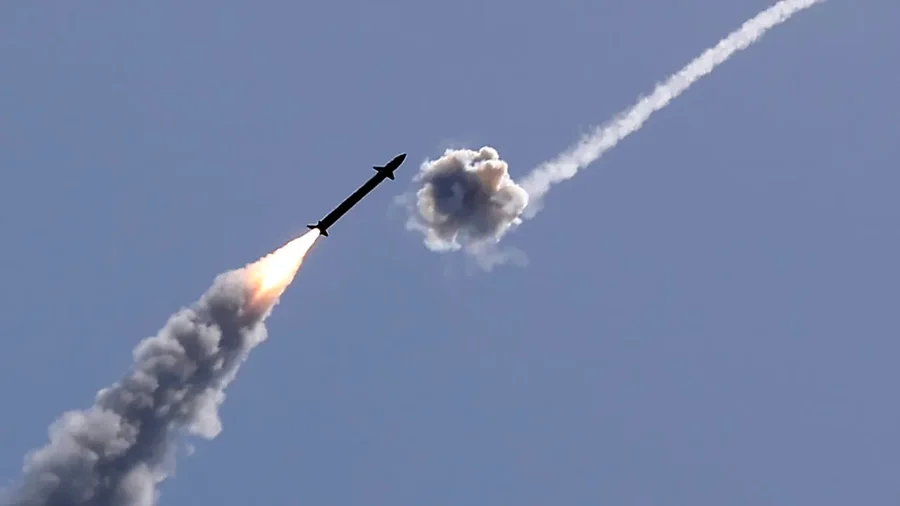
Israel struck Iran this morning, as explosions were heard throughout Tehran.
Israel attacked Iran this morning as Defense Minister Israel Katz declared a state of emergency across the country. Sirens were heard across Israel at around 8:15 a.m. local time (6:15 a.m. GMT), alerting people to the threat of a missile attack.
Media reported an explosion in central Tehran, sending thick smoke billowing over the Iranian capital. Iranian state television confirmed the blast, without giving further details on the cause or consequences.
At the same time, alarm sirens were heard in several areas of Israel.
The Israeli military said it was on "proactive alert," warning of the possibility of rockets being fired toward Israeli territory.
“This is a proactive alert to prepare the public for the possibility of rockets being fired towards the State of Israel,” they added. The IDF stressed that the public is urged to remain close to protected areas.
روگرها و تحميل دوکوی از 'Seen the sound of a few explosions and seen smoke in #تهران , شنبه 9 اسفند' #Iran #Tehran pic.twitter.com/tIk5yAITCA
— Vahid Online (@Vahid) February 28, 2026
The developments come amid heightened tensions in the region. Relations between Iran and the United States have been strained, particularly after the crackdown on nationwide protests in Iran late last year.
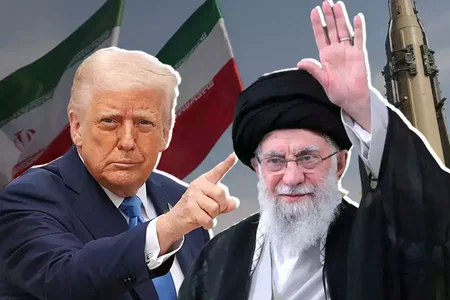
A security source confirmed to 'Walla' that the United States is involved in the attacks. Recall that US President Donald Trump has repeatedly threatened that he is considering military intervention if Tehran does not accept a nuclear deal.
Iranian media also reported that the attacks targeted the IRGC's Intelligence Directorate. Iran's state-run Fars news agency reported that several new explosions were heard north and east of Tehran.
So far, there is no official information about casualties or damage caused by the attack, while the situation remains evolving.
The Israeli strikes came amid diplomatic efforts between US and Iranian officials for a deal to curb Iran's nuclear program and avoid a war, and negotiations were expected to continue next week.
Iran had made concessions in the talks, although US President Donald Trump who had previously threatened to attack Iran to pressure its leaders to accept a deal, said yesterday he was "not thrilled" with the way the discussions were going.
Trump has ordered the largest US military buildup in the Middle East since the 2003 US-led invasion of Iraq, but has not explained why he might need to take military action now. Meanwhile, Iran has vowed to respond with force to an attack.
Israeli Defense Minister Israel Katz said the “preemptive strike” was intended to “remove threats against the State of Israel.” Last June, Israel launched an attack on Iran, leading to the 12-Day War. The U.S. eventually joined Israel in the conflict, targeting Iran’s nuclear facilities.
Recently, Israeli Prime Minister Benjamin Netanyahu warned of a threat posed to his country by Iranian ballistic missiles and expressed his opposition to an agreement that focused solely on Iran's nuclear program.
Iran had refused to discuss limits on its ballistic missile program, as well as cutting support for proxies in the region, including Hamas in Gaza, Hezbollah in Lebanon, militias in Iraq and the Houthis in Yemen, saying these demands constituted violations of its sovereignty.







Lini një Përgjigje