


 Shkruar nga Pamfleti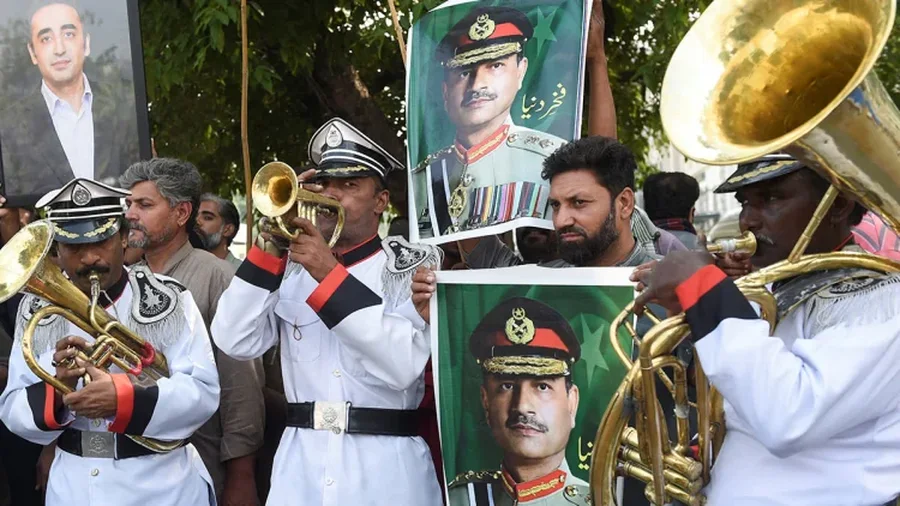
At a critical moment for stability in the Middle East, Pakistan is said to have played a central role in brokering a two-week temporary ceasefire between the United States and Iran, averting a potential full-scale conflict in the region.
The fragile but essential agreement came after intense diplomatic and high-level talks at a time when military operations were escalating tensions and increasing the risks of broader destabilization.
As the Guardian reports, Islamabad's initiative was a key factor in opening negotiations between the parties involved.
Diplomatic marathon amid fears of generalization of the conflict
According to the report, the situation had reached a turning point, as attacks on energy infrastructure and strategic targets raised fears that more countries in the region could be drawn into the war. Of concern was the possibility of active participation by Saudi Arabia, a development that could also draw Pakistan in, due to a recent defense agreement between the two countries.
The Pakistani government and military leadership continued intensive diplomatic contacts, seeking to limit the escalation of tension. As the Guardian report claims, there were continuous telephone communications between senior officials from the US, Iran and Pakistan, with the aim of creating a framework for dialogue that would lead to a temporary ceasefire.
The "key" person
The role of Pakistani army chief Asim Munir, who maintains channels of communication with both Washington and Tehran, appears to be crucial. Trump has even described him as his "favorite" field marshal. The contacts included senior American officials, as well as representatives of the Iranian political leadership, in an attempt to overcome differences and de-escalate the crisis.
Chinese intervention and a fragile agreement
At the same time, the involvement of China was also particularly important, which is said to have exerted influence on Iran to accept the ceasefire. The Chinese side appears to have provided assurances about the security of the negotiations, strengthening Tehran's confidence in the process.
According to the Guardian report, the agreement was reached in the early hours of the morning in Islamabad and is considered an important step towards avoiding a wider geopolitical crisis. Analysts believe that Pakistan's mediation strengthens its international presence and confirms the growing role of regional powers in crisis management, while at the same time speaking of "the biggest diplomatic victory in recent years."
Despite the positive development, diplomatic sources express reservations about the stability of the ceasefire, stressing that security issues and geopolitical rivalries in the region remain open.
Future negotiations are expected to determine whether the interim agreement can evolve into a more permanent solution.


Lini një Përgjigje