


 Shkruar nga Pamfleti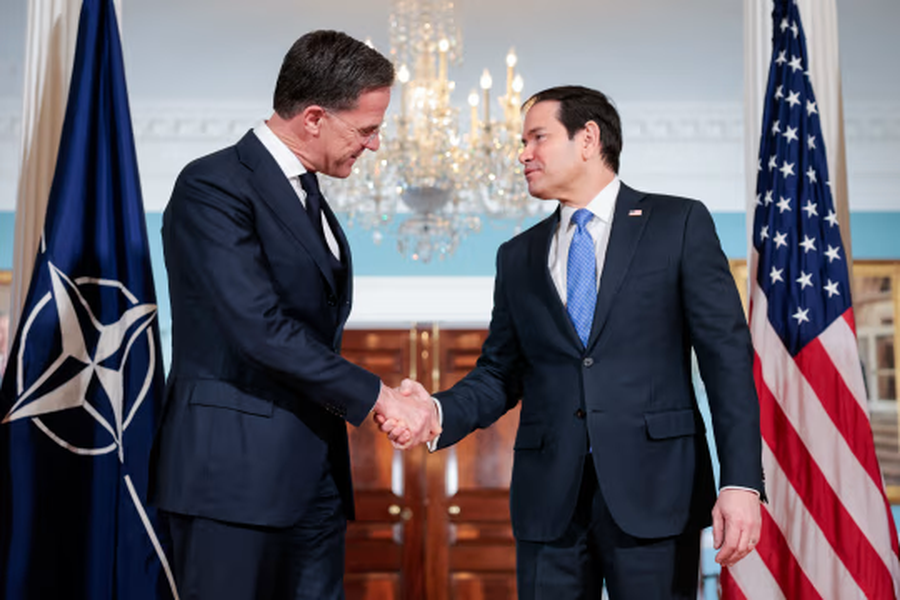
Which countries are expected to be punished and which ones within alliances could benefit from the relocation of American troops? Is Albania included?
The Trump administration is considering a plan to punish several members of the NATO alliance that the US president believes have not been helpful to the US and Israel during the war with Iran, according to administration officials.
The proposal would involve moving U.S. troops from NATO member countries deemed unsupportive of the war effort against Iran and redeploying them to countries that have been more supportive of the U.S. military campaign. The plan would be much more limited than President Trump’s recent threats to withdraw from the alliance entirely, which he cannot do without congressional approval, the WSJ reported.
The plan, which has been circulating and gaining support among senior administration officials in recent weeks, is still in its early stages and is one of several options the White House is discussing to punish NATO. It highlights the growing rift between the Trump administration and European allies following the president's decision to go to war with Iran.
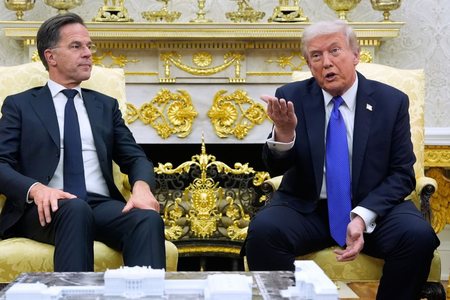
NATO Secretary-General Mark Rutte traveled to Washington on Wednesday to meet with Trump. Rutte has sought to strengthen relations with the US president despite tensions in the transatlantic alliance and was among those who persuaded him not to take steps to take control of Greenland.
“ It is very sad that NATO has turned its back on the American people over the past six weeks, when it is the Americans who have been funding their defense ,” White House spokeswoman Caroline Leavitt said on Wednesday. She added that Trump plans to have a “frank and direct” conversation with Rutte.
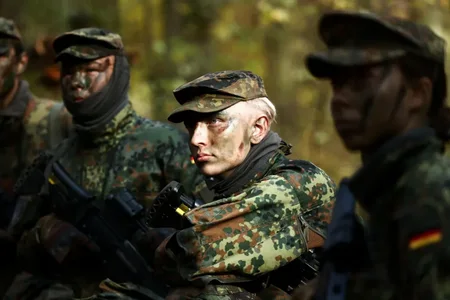
The US has about 84,000 troops stationed across Europe, although the exact number varies due to military exercises and rotational deployments. US bases in Europe serve as a critical hub for global US military operations and also bring economic benefits to host countries through investment. Bases in Eastern Europe also serve as a deterrent to Russia.
When asked for comment, the White House referred to recent statements by Secretary of State Marco Rubio, who criticized NATO countries for a lack of support for the US in the war with Iran.
Nuk është e qartë se cilat vende do të humbnin praninë e trupave amerikane, por disa anëtarë të aleancës kanë pasur përplasje me Trump që nga rikthimi i tij në detyrë dhe së fundmi kanë tërhequr kritikat e tij për kundërshtimin e luftës me Iranin.
Spanja, i vetmi vend i NATO-s që nuk është zotuar të shpenzojë 5% të Prodhimit të Brendshëm Bruto për mbrojtjen, bllokoi përdorimin e hapësirës ajrore nga avionët amerikanë të përfshirë në operacionin kundër Iranit. Zyrtarët e administratës janë gjithashtu të pakënaqur me Gjermaninë pasi drejtues të saj kritikuan luftën e Trump, ndonëse Gjermania mbetet një nga qendrat më të rëndësishme për operacionet amerikane në Lindjen e Mesme.
Italia gjithashtu bllokoi përkohësisht përdorimin e një baze ajrore në Siçili, ndërsa qeveria franceze pranoi përdorimin e një baze në jug të Francës vetëm pasi SHBA garantoi se avionët që nuk merrnin pjesë në sulmet ndaj Iranit do të uleshin aty.
Përveç zhvendosjes së trupave, plani mund të përfshijë edhe mbylljen e një baze amerikane në të paktën një nga vendet evropiane, ndoshta në Spanjë ose Gjermani, sipas dy zyrtarëve të administratës.
Vendet që mund të përfitojnë nga kjo politikë, pasi konsiderohen mbështetëse, përfshijnë Poloninë, Rumaninë, Lituaninë dhe Greqinë. Vendet e Evropës Lindore kanë disa nga nivelet më të larta të shpenzimeve për mbrojtje në aleancë dhe ishin ndër të parat që shprehën gatishmëri për të mbështetur një koalicion ndërkombëtar për monitorimin e Ngushticës së Hormuzit. Pas shpërthimit të luftës, Rumania miratoi shpejt kërkesat amerikane për përdorimin e bazave të saj nga Forcat Ajrore të SHBA-së.
Ky plan mund të çojë në vendosjen e më shumë trupave amerikane më afër kufirit rus, një zhvillim që ka gjasa të tensionojë marrëdhëniet me Moskën.
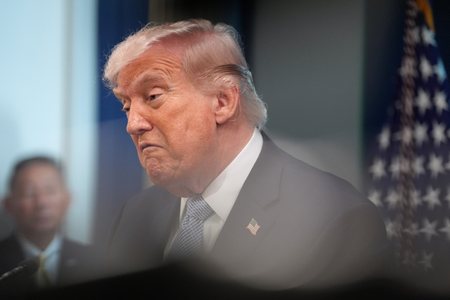
Trump deklaroi të hënën se është “shumë i zhgënjyer” me NATO-n dhe se mungesa e mbështetjes për SHBA-në në luftën me Iranin është “një njollë që nuk do të zhduket kurrë.” Ai ka kritikuar shpesh aleancën dhe në javët e fundit ka diskutuar me këshilltarët mundësinë e largimit nga NATO.
Muajin e kaluar, ai shkroi në platformën e tij Truth Social se vendet anëtare “nuk kanë bërë asgjë për të ndihmuar” në luftën me Iranin dhe shtoi se “SHBA-së nuk i duhet asgjë nga NATO.”
Zyrtarë të lartë evropianë kundërshtojnë këto pretendime, duke theksuar se nuk janë konsultuar paraprakisht për luftën, çka e bëri të vështirë koordinimin e reagimit ushtarak në ditët e para. Dy ministra të mbrojtjes nga vendet e NATO-s, nga Estonia dhe Italia, mbetën të bllokuar në Dubai kur SHBA nisi luftën, pasi Emiratet e Bashkuara Arabe mbyllën hapësirën ajrore civile.
The war with Iran is the latest in a series of diplomatic crises the alliance has experienced since Trump returned to power. He has angered allies with high tariffs on Europe and for his contacts with Russian President Vladimir Putin over peace efforts in Ukraine. Trump also sparked an unusual crisis with Denmark over his repeated attempts to annex Greenland, an Arctic island part of the Danish kingdom.
During his first term in 2020, Trump ordered the withdrawal of about 12,000 troops from Germany, but President Joe Biden reversed this decision after taking office in 2021. /Adapted from Pamphlet /



Lini një Përgjigje