


 Shkruar nga Wolfgang Munchau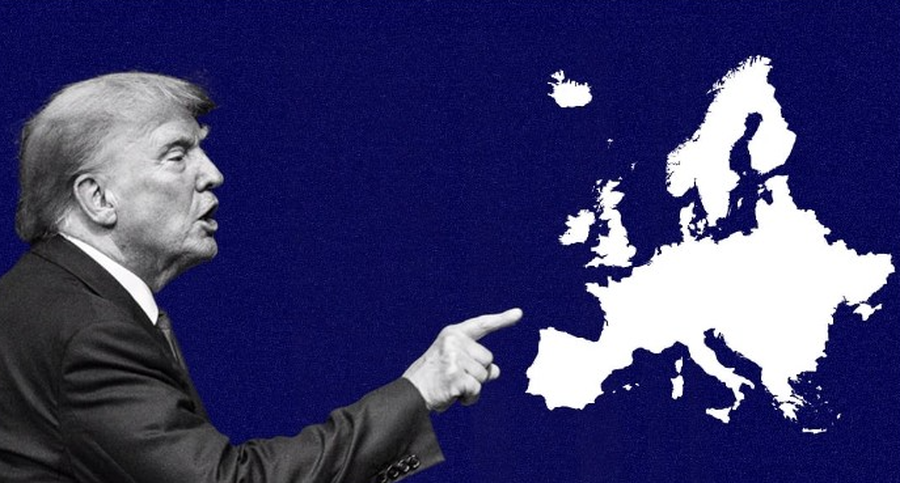
Europe is terrified. Donald Trump has rung alarm bells that it cannot ignore. We Europeans have long denied the true state of our relations with America. We have known all too well our problematic dependence on Washington, and yet we have done nothing to correct it.
This is classic bloc behavior. It happened during the euro crisis, when our leaders were apathetic. And they are behaving like that again. Meanwhile, Mark Carney understands the need for action. Last week, the new Canadian prime minister made two important statements.
First, he acknowledged that his nation's reciprocal relationship with the United States, based on trade, investment, and defense, was over. A very blunt statement. Then, he said something else with a clarity I have yet to hear from any European leader: "We must greatly reduce our dependence on the United States. We will have to focus our trade relations elsewhere. And we will be forced to do things that were previously thought impossible, and at a speed we have not seen in generations."
Britain made an equally dramatic change with Brexit. It severed a similar and deep relationship with the EU. It had failed to make the right political decisions to make membership in the bloc work to its advantage. But then it failed to make the right political choices to move forward on its own outside the EU.
Contrary to some gloomy predictions, the economy did not collapse, but the pace of its growth continues to disappoint. Neither Britain nor Europe seems to have learned the lessons of Brexit. Imagine if it had happened on a larger scale. Imagine if the largest country had left the club.
If Germany had made the decision to leave, the entire EU would have no choice but to start its model over again. The US disengagement from European security and economic cooperation is on an even greater scale, and yet there is no sign of any resumption.
America has taken a role in the world's economic and financial architecture that no one else wanted to fill. Yet Trump is determined to undo that. He has imposed trade tariffs on steel and aluminum; on foreign cars; on China; even on Mexico and Canada.
No longer willing to be the primary lender to the global economy, he is already calling next Wednesday “Liberation Day,” when he is expected to announce so-called reciprocal tariffs. These tariffs will be higher and more comprehensive than those he promised during his election campaign.
Unhappy with the destruction of the global economy, Trump has also degraded the transatlantic security relationship. NATO will remain formally functional. But the unconditional nature of the security guarantee, as provided for in Article 5 of the treaty, is now very different in Trump's transactional version.
He has repeatedly said he will only provide defense to NATO members that are willing to meet their agreed-upon defense spending targets. This was confirmed in leaked Signal messages in which administration officials discussed secret military operations.
The most disturbing aspect of this for us Europeans is not the breach of security, but the absolute contempt they have shown for Europeans. I have also criticized Europe's failure to meet agreed targets for defense spending, describing the European mentality as "that of the beggar to his neighbor."
But when US Secretary of Defense Pete Hegseth calls Europeans “suckers” and when JD Vance says he hates to “save Europe again,” then these are not just personal comments. These are politics. The conversation is supposed to have been about the US strike against the Houthi rebels, but the ones who really got hit were the Europeans.
What should we do in these conditions? First, Europe must stop reacting and start acting. Reaction is for losers. The EU is preparing to retaliate, but just look at what happened when Trump imposed tariffs on steel and aluminum.
European Commission President Ursula von der Leyen immediately announced the EU’s retaliatory tariffs. Trump responded the next day with a tweet in which he threatened 200 percent tariffs on European wines and champagne. Under pressure from France and Italy, Europe’s largest wine exporters, the Commission immediately backed down and postponed the retaliatory tariffs until later.
So this is the problem when you have large and persistent trade surpluses. You think you are strong and successful, but in reality, you are weak and dependent and vulnerable to protectionist trade policies. A trade surplus means that there are far more European goods in the US than American goods in Europe.
So we will consume the products that we are going to impose tariffs on long before Trump does. Europe is talking about imposing tariffs on services. And there are some implications here. The US has a surplus in services relative to Europe. But Europe's goods surplus is twice as large as its services deficit.
And we must remember that the ones paying the tariffs are the consumers. The American public may be less upset about a tariff on a German car because there are alternatives in the American market. Meanwhile, European consumers are fully invested in the exclusivity of Apple's services, for which there are no alternatives.
SHBA-në nuk e favorizojnë vetëm disbalancat tregtare. Në rastin më ekstrem, Amerika mund ta ndalojë qasjen e Evropës në tregjet financiare të SHBA. Ekonomia evropiane do të shembej brenda natës. Evropianët mund të flasin për “forcë dhe vetëbesim” dhe të këmbëngulin, siç bëri Robert Habeck, se nuk do të tërhiqen.
Por nuk ka asnjë skenar, në të cilin Evropa ose Kanadaja mund të fitojnë një luftë tregtare kundër SHBA-së, madje as të synojnë për një barazim. Por ata mund të ndërmarrin veprime. Mund të bëjnë atë që sugjeron Carney, dhe të ndryshojnë modelet e tyre ekonomike.
Kështu, nëse SHBA do të ndalojë blerjen e mallrave evropiane, atëherë Evropa do të duhet të blejë të sajat. Kjo nënkupton një zgjerim të llogaritur të investimeve dhe kërkesës. Shumica e saj do të duhej të vijë nga sektori privat, por sektori publik duhet ta mbështesë në mënyrë aktive. Kjo qasje, do të kërkonte një rikalibrim të plotë të ekonomisë së bllokut: taksa më të ulëta, ndoshta një tejkalim i përkohshëm të nivelit të huamarrjes publike, por kryesisht më shumë reduktim të rregulloreve për t’i dhënë frymëmarrje sipërmarrjes.
Kjo është ajo që duhet të kishte bërë pas Brexit Britania e Madhe, dhe nuk e bëri. BE-ja, ndoshta me ndihmën e Kanadasë, duhet të fillojë të promovojë euron si një rival të dollarit. Kjo do të kërkonte një rimendim të mënyrës se si Evropa e drejton politikën ekonomike.
Në vend se të tregtojë suficitin ndaj pjesës tjetër të botës, Evropa duhet të përpiqet të plotësojë rolin që SHBA po braktis nën qeverisjen e Trump, dhe të fillojë të importojë më shumë sesa eksporton. Në teori e gjithë kjo është e mundur. Por mjerisht, nuk po e shoh të ndodhë.
Mjafton të shihni reagimin në Britani, pasi qeveria laburiste bëri disa shkurtime të vogla në sistemin e mirëqenies sociale, kryesisht për pagesën e atyre me aftësi të kufizuar. Evropianët kanë sisteme gjithëpërfshirëse të mirëqenies, si Kredia Universale në Britani apo të ardhurat e qytetarëve në Gjermani.
SHBA shpenzon shumë më pak për këto lloj transferimesh sociale sesa evropianët. Aty ku evropianët kanë bonus për strehimin, amerikanët kanë strehimore dhe tallone ushqimore. Carney ka të drejtë kur thotë se transformimi ekonomik i kërkuar nga situata, është përtej çdo gjëje që kemi parë në breza.
Por unë dyshoj nëse qeveritë evropiane të koalicioneve, dhe parlamentet e fragmentuara kanë vullnetin politik dhe shumicën për të ofruar një ndryshim të tillë. Evropa që unë njoh është komode, por e ndarë, një kombinim jo i favorshëm për ndryshim. Mendoj se ka më shumë gjasa që evropianët të dështojnë sërish të ngrihen në këmbë.
Ata mund ta shohin më të leverdishme t’i paguajnë Trumpit paratë e mbrojtjes që kërkon, si një parakusht për garancitë e sigurisë. Me kalimin e viteve, evropianët do të bëhen më të varfër, dhe dollari do të mbetet monedha kryesore botërore. Me fjalë të tjera: Trump do të fitojë.
Those Europeans who align themselves most strongly with Trump are the same ones who will oppose the necessary actions that would make us more independent of him. They will oppose higher defense spending, lower welfare spending, lower taxes, reduced regulations to allow new generations of entrepreneurs to take their place.
At the EU level, they will oppose the removal of internal barriers to the common market and the shift away from the zero-carbon approach, corporate governance and legislation on digital technology, which has become a huge burden for European companies.
When Trump makes his big announcement on Wednesday, I expect Europeans to either scream and make empty threats or fall into depression. And everyone will focus on Trump as an individual. But what they need to do is get Trump out of the picture and start taking action.
The Canadian Prime Minister has the advantage of being one step ahead of Europe. He has acknowledged the enormity of the challenge, and is considering what to do next. Meanwhile, the Europeans are stuck in a dead end filled with relics of the past. / Pamphlet from "Unherd"



Lini një Përgjigje