


 Shkruar nga Pamfleti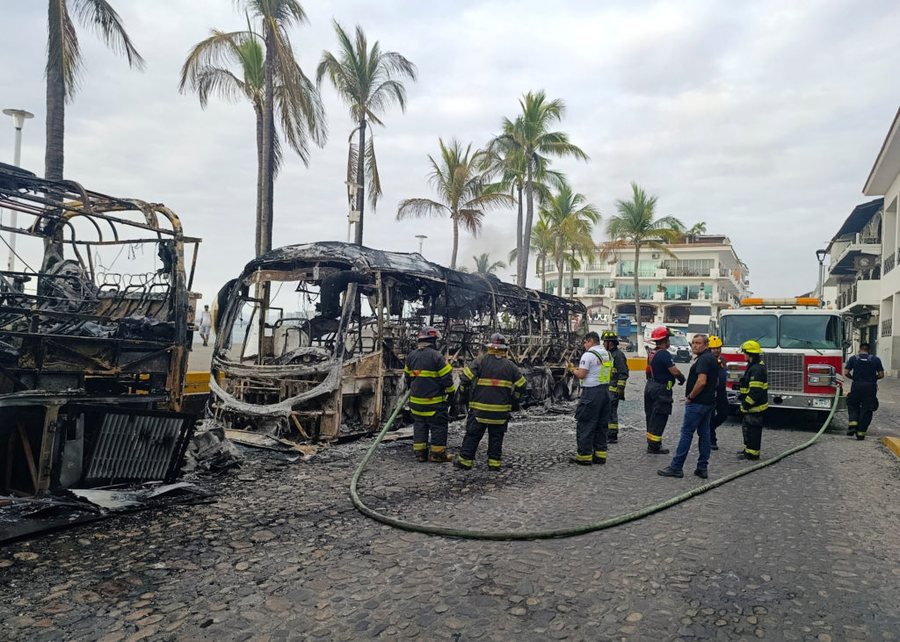
The killing of the head of the Jalisco cartel brings uncertainty to public order
The murder of Nemesio Rubén Oseguera Cervantes, known as "El Mencho", has opened a new and uncertain chapter for Mexico, sparking a wave of violence that quickly spread across a large part of the national territory.
The 59-year-old leader of the Jalisco Nueva Generación Cartel (CJNG), one of the most powerful and widespread criminal organizations in the country, was killed on Sunday during a military operation in the state of Jalisco, in the Tapalpa area. The operation was carried out by Mexican special forces with intelligence support from the United States.
"El Mencho" has been considered one of the most wanted men by Mexican and American authorities for years. His cartel is accused of massively trafficking fentanyl, methamphetamine and cocaine to the American market, as well as direct attacks against security forces and government officials. The US administration had offered a reward of $15 million for information leading to his capture.
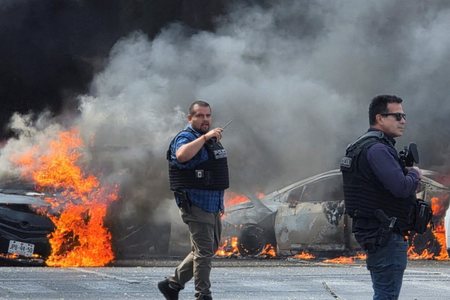
However, the elimination of the cartel's central figure did not produce an immediate calm of the situation. On the contrary, within hours of the confirmation of his death, coordinated acts of violence erupted in at least 20 of Mexico's 32 states. Armed groups, suspected of being affiliated with the CJNG, burned buses and businesses, erected barricades with burning vehicles and blocked major roads, paralyzing traffic in several cities.
In states such as Jalisco, Michoacán and Guanajuato, authorities reported casualties among both civilians and security forces. According to preliminary data, at least 14 people were killed in Sunday's wave of violence, including seven members of the National Guard. In some areas, schools were closed and public transportation was suspended, while residents remained isolated in their homes for fear of escalation.
The U.S. Embassy in Mexico issued a security alert for American citizens in several states, including Jalisco, Tamaulipas, Michoacán, Guerrero and Nuevo León, and urged them to avoid unnecessary travel. The diplomatic response reflected concern about the geographic scope of the unrest and the ability of criminal groups to organize synchronized actions on a national scale.
Mexican President Claudia Sheinbaum declared that there is "absolute coordination" between the federal government and state authorities, stressing that the operation against "El Mencho" was the result of the joint work of the army, the National Guard and security structures. She called for calm and careful information, stressing that the state will continue its efforts to guarantee order and security.
Meanwhile, security analysts warn that the biggest challenge could emerge in the coming weeks and months. With the death of its historic leader, the CJNG faces a critical moment in terms of its future direction. One of the names mentioned as a possible successor is Juan Carlos González Valencia, who is considered an influential figure within the cartel's paramilitary structure. However, it is not clear whether he will be able to maintain the unity of the organization or whether different factions will compete for control of territories and trafficking routes.
The history of cartels in Mexico shows that the elimination of a central figure often leads to fragmentation and internal conflict, with serious consequences for public safety. If the CJNG splits into rival groups, the country could face an increase in homicides and further destabilization in already fragile regions.
The situation also has particular importance in the international context, as Mexico will be one of the host countries of the 2026 World Cup. Any escalation of violence in key states, including Jalisco, where Guadalajara is located, increases the pressure on the authorities to guarantee long-term stability.
For many ordinary citizens, the recent developments are a reminder of the profound influence that criminal organizations continue to have on daily life. While the government presents the operation as a significant success in the fight against organized crime, the course of the coming days will show whether the elimination of “El Mencho” marks a turning point in the weakening of the cartel, or opens a new period of uncertainty and armed rivalry in Mexico. /Pamphlet





Lini një Përgjigje