


 Shkruar nga Pamfleti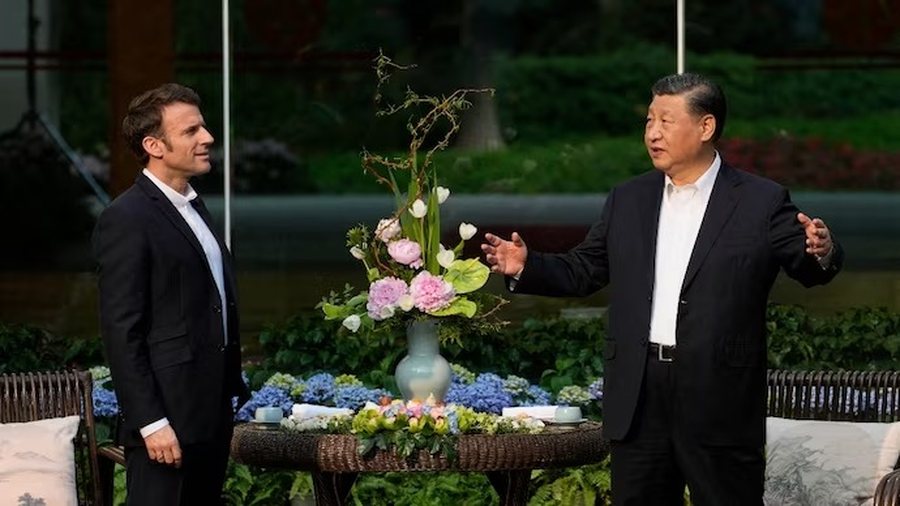
Xi is conducting his state visits to France, Serbia and Hungary with 3 main goals. First, to repair relations in Europe, damaged by China's support for Russia's war on Ukraine. Second, to weaken the EU's economic security agenda vis-à-vis China. And thirdly, to show Beijing's strong ties with its strong partners, Serbia and Hungary.
Now as then it all starts with Paris. In May 1975, Chinese Vice Premier Deng Xiaoping visited France, the first official visit by a Chinese Communist leader to a Western country. He would continue to open China to the world.
Forty-nine years later, and almost to the day, a very different Chinese leader, Xi Jinping, will travel to Paris, Belgrade and Budapest, at a time when Beijing's relations with the West are weakening.
Xi's May 5-10 tour comes a year after the European Union began "de-risking" its economic relations with China. The move followed revelations of suspected Chinese espionage in Europe. Here's what experts think about each of the stops on Xi's grand European tour.
France
Last week, Macron warned of the risk of disintegration of the EU if the union does not strengthen its political and security dimensions. In his visit to Beijing in 2019, Macron expressed his willingness to continue the partnership on "global issues" and "to do everything we can to persuade China to behave in accordance with international rules".
But 2024 is not 2019, and today there is much more clarity about the limits of seeing China as a trusted partner. Since then the union has strengthened its trade protection instruments, and has been more active in correcting economic and competition distortions.
France has pushed for an EC investigation into Chinese electric vehicle subsidies. As China is now facing an economic decline, the problems of structural overcapacity, especially in sectors that create distortion of competition for Europe and France, this will undoubtedly be the main topic of the visit.
Moreover, the credibility of Macron's willingness to be at the helm of political leadership for Ukraine and European security requires a strong stance against China's support for Russia. With Russian President Vladimir Putin visiting China at the end of this month, Macron is likely to ask Xi again, as in 2023, not to send arms to Russia. Since then, however, Chinese support for Russia has only grown.
Léonie Allard, former adviser to the French Ministry of the Armed Forces.
Serbia
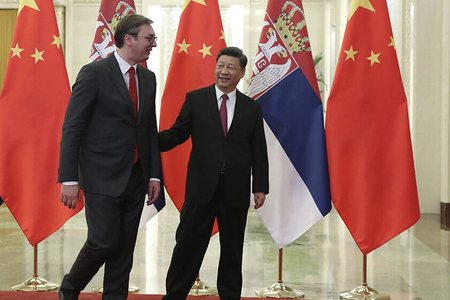
Over the past 15 years, Serbia has developed a comprehensive strategic partnership with China, based on a close economic and political relationship. China has been the second largest investor, the second largest trading partner after the EU, and a key partner in the development of much needed infrastructure.
Therefore, Xi's visit to Belgrade is an opportunity for both sides to boast about the achievements of their cooperation during a decade and a half. But leaders are unlikely to address the challenges that have arisen from China's increased presence in the country.
These include the negative environmental impact of Chinese companies' activities, the lack of transparency in the negotiation of infrastructure projects, and criticism from Serbia's Western partners, who see the country as a Chinese hub at the EU's gateway.
Xi's visit will be his second in the past 8 years, and carries a lot of symbolism. Scheduled for May 7-8, it coincides with the 25th anniversary of the NATO bombing of the Chinese embassy in Belgrade during the intervention in Yugoslavia, which eventually led to the fall of the regime of Serbian President Slobodan Milosević.
This event greatly influenced the attitude of the Chinese towards NATO and the global governance system that emerged after the fall of the Berlin Wall. Today, the bombing remains an important topic for Chinese officials, who use it to support narratives that question the values of liberal democracies. For Serbia, the visit represents a chance to strengthen its position as China's main partner in the Western Balkans.
Stefan Vladisavljev, program director at the BFPE Foundation for a Responsible Society.
Hungaria
Vizita e Xi në Evropë është pjesë e përpjekjeve të lidershipit kinez për të ndryshuar politikën më të ashpër të Evropës ndaj saj vitet e fundit. Evropa Qendrore dhe Lindore, luan një rol të rëndësishëm në këtë mision, pasi Pekini ka gjetur këtu disa vende që ndajnë të njëjtën qasje, dhje që e sfidojnë gjithashtu strategjinë aktuale gjeopolitike të Uashingtonit (dhe aleatëve të tij më të afërt).
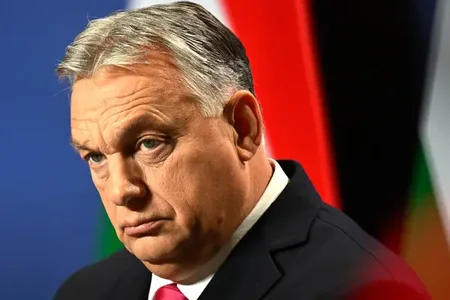
Ato dëshirojnë të ndërtojnë marrëdhënie më të ngushta me Kinën dhe Rusinë. Serbia dhe Hungaria janë pjesë kyçe në këtë fushatë diplomatike të Kinës. Në Hungari, Xi do takohet me kryeministrin hungarez Viktor Orbán, që e ka lidhur politikën e jashtme të Hungarisë me afrimin e madh me Kinën dhe Rusinë gjatë dekadës së fundit.
Budapesti iu bashkua Nismës së Brezit dhe Rrugë (BRI) në vitin 2015, dhe i ka kundërshtuar sulmet ndaj Pekinit brenda Bashkimit Evropian mbi të dhënat e Kinës lidhur me respektimin e të drejtave të njeriut dhe sjelljen ndaj Tajvanit. Xi pritet të diskutojë me Orbán disa nga projektet e vazhdueshme të infrastrukturës BRI, dhe të arrijë marrëveshje të reja.
Ka të ngjarë që gjatë bisedimeve të tij si në Beograd po ashtu edhe në Budapest, ai të ngrejë çështjen e përshpejtimit të projektit të linjës së shpejt hekurudhore Beograd-Budapest. Projekti nisi në vitin 2019, por ndërtimi në anën hungareze kishte ngecur, derisa qeveria hungareze vendosi të përshpejtojë punën vetëm në fillim të këtij viti.
Në shkurt, Greqia njoftoi se do t’i bashkohej këtij projekti dhe do ta zgjeronte atë në Athinë, duke kundër-balancuar tërheqjen e fundit të Italisë nga BRI dhe duke krijuar një rrugë alternative për eksportet kineze për të arritur në zemër të Evropës nga jugu.
Po ashtu, pritet që Xi dhe Orbán të shpallin projekte të reja të mëdha në kuadër të BRI-së.
Për të mbështetur rritjen e prodhimit industrial në Hungari, Kina do të ndërtojë linjën hekurudhore që lidh aeroportin ndërkombëtar Liszt me Budapestin, si dhe të ashtuquajturën unazë hekurudhore V0, që do të ndihmojë trafikun ndërkombëtar të mallrave jashtë kryeqytetit.
Thuhet se dy udhëheqësit do të bëjnë një vizitë në qytetin jugor të Pécs, për të njoftuar fillimin e një investimi të madh nga prodhuesi kinez i makinave Great Wall Motor, në ngritjen e një fabrike të re në Bicsérd për të prodhuar makina të kategorisë së mesme dhe premium për tregun evropian.
Për më tepër, ka të ngjarë që ata të diskutojnë zbatimin e marrëveshjes së tyre dypalëshe të bashkëpunimit të sigurisë, të nënshkruar së fundmi, e cila u lejon oficerëve të policisë kineze të punojnë në Hungari në lagje me popullsi të madhe emigrantësh kinezë apo që kanë një prani të lartë të turisteve kinezë.
Zoltán Fehér, anëtar i Qendrës Globale të Kinës në Këshillin Atlantik. Më parë, ka punuar si analist i politikës së jashtme në ambasadën hungareze në Uashington.
Three main goals of Xi's visit to Europe
Xi is conducting his state visits to France, Serbia and Hungary with 3 main goals. First, to repair relations in Europe, damaged by China's support for Russia's war on Ukraine. Second, to weaken the EU's economic security agenda vis-à-vis China. And thirdly, to show Beijing's strong ties with its strong partners, Serbia and Hungary.
Xi will use the meeting with Macron to minimize the cost of China's continued support for Putin's war machine. He will emphasize that France and other European countries continue to benefit from economic engagement with China, and that they should pursue an independent course, rather than following Washington's.
This message will resonate well with those in France, who are afraid to connect too closely with the United States on this and other issues. Aware of increasingly visible differences within Europe over opposition to China's subsidies in key industries such as electric cars, Xi aims to create rifts between member states to make it harder to probe the issue.
Also, Xi may hope to further benefit from France's reluctance to expand NATO's role in Asia, and not to express solidarity with Washington's approach to Taiwan. Macron has previously signaled that France cannot "blindly follow the lead of the United States" in relation to Taiwan, and must "avoid plunging into crises" that are not its own.
Matt Geraci, assistant/director of the Global China Center at the Atlantic Council. / Adapted Pamphlet, received from "Atlantic Council"



Lini një Përgjigje