


 Shkruar nga Pamfleti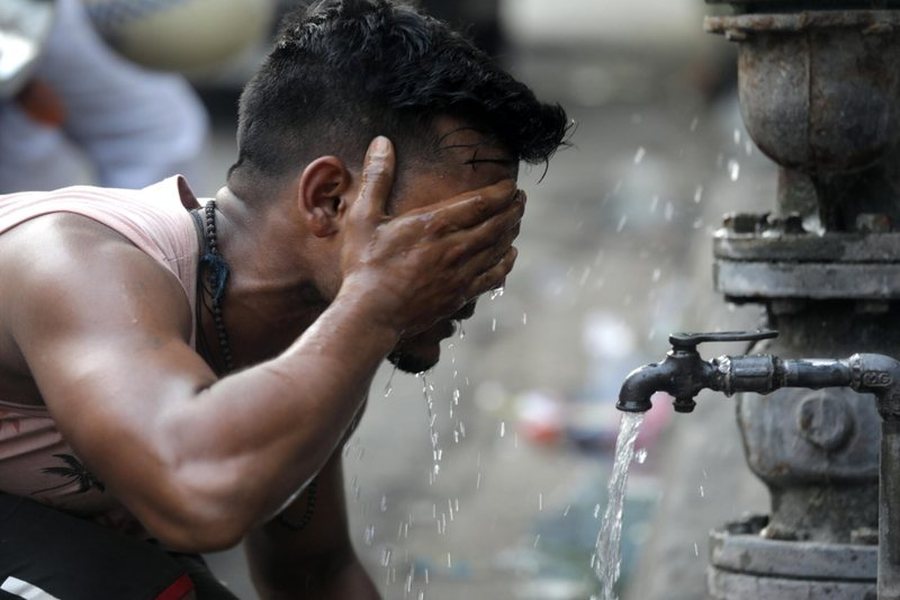
Climate change, droughts and the unstoppable process of desertification may make drinking water in the future as expensive as oil today. Even to the point of making it a market equal to, if not greater than, that of fossil fuels.
In short, water will be potable "oil". Water is already a commodity that is causing clashes and conflicts in many areas of the world, and its lack, together with the growth of the world population, will lead to new crises, but also to great speculation.
Water and climate change
Let's start from a fact that we mentioned earlier. Of all the water present on earth, 97.5 percent is salt water and only 2.5 percent is consumable by us humans, animals and plants. And of this limited amount, only 30 percent is available to humans.
Water is not an infinite resource, and it is tied to a delicate balance of replenishment. But beware: the rate of our consumption has been on the verge of exceeding the natural replenishment of reserves for years. Worldwide, the availability of water resources in 2023 confirmed the negative trend recorded for several years.
According to studies by ISPRA (Higher Institute for Environmental Protection and Research), in Italy in 2023 there has been a reduction in water availability by 18 percent, compared to the annual average of the same period during the years 1951-2023.
This decrease is the result of a combination of different factors, including the precipitation deficit, as well as an increase in the volumes of direct evaporation from seas, lakes, rivers and land. In 2021, a United Nations report on the development of water resources highlighted a disturbing fact.
Based on data from a year earlier, 2020, it was predicted that due to global warming and increased consumption, by 2030 the world could face the greatest water shortage ever seen, a shortage equal to 40 percent.
If we add to this the fact that 10 percent of the world's population already has difficulties in accessing drinking water, then even more complex scenarios related to the geopolitical and migratory crises that will follow each other open up.
Uses of fresh water
During the last 100 years, the use of fresh water has increased by 6 times. And if we take into account new technologies and a staggering population growth, this figure will undergo a strong increase, going beyond 1 percent per year for the last 40 years.
Aktualisht, uji i ëmbël përdoret kryesisht për ujitje në bujqësi, rreth 70 për qind. Ndërkohë sektori industrial përdor 22 për qind, dhe vetëm 8 për qind është i destinuar për konsum njerëzor dhe shërbime. Disponueshmëria e kufizuar e ujit të ëmbël e ka shtuar shfrytëzimin e depozitave nëntokësore, duke shkaktuar shterimin progresiv të tyre, sidomos në zonat e mëdha urbane dhe ato me një intensitet të lartë bujqësor. Ndërsa 10 për qind e popullsisë jeton në zona me një mungesë të madhe të ujit, pjesa tjetër e ka rritur drastikisht konsumin e tij, një tendencë që pavarësisht ndërgjegjësimit vazhdon që të rritet.
Konfliktet mbi ujin
Disponueshmëria e ujërave të ëmbla të rikuperueshëm, ndryshon në mënyrë të konsiderueshme rajonalisht, në varësi të faktorëve gjeologjikë dhe klimatikë. Faktori tjetër kryesor përcaktues, është ai sezonal që përcakton nevojën për ruajtje. Midis viteve 2000- 2018, u vu re një reduktim i burimeve të brendshme të rinovueshme të ujit për frymë.
Ky ndryshim, preku më shumë vendet e Afrikën Sub-Sahariane me 41 për qind, Azisë Qendrore me 30 për qind, Azinë Perëndimore me 29 për qind dhe Afrikës së Veriut me 26 për qind. Shumë konflikte janë shkaktuar në zona që kanë tashmë probleme gjeopolitike, të cilave u është shtuar edhe përpjekja për kapjen dhe kontrollin e burimeve të ujit.
Një shembull i tillë është rajoni i Darfurit në Sudan, ku prej 20 vitesh vazhdon një konflikt i përgjakshëm dhe ku shkretëtirëzimi po luan një rol të rëndësishëm në thellimin e tij. Dhe në konflikte, uji nuk është vetëm një nga pasuritë që duhet vendosur nën kontroll, por edhe një objektiv strategjik.
Dhe gjatë historisë së viteve të fundit nuk kanë munguar sulmet konvencionale ndaj infrastrukturës ujore apo edhe ato kibernetike. Nga viti 2020 e deri më sot ka pasur afërsisht 543 konflikte, në të cilat është përfshirë edhe uji. Ato janë kataloguar dhe hartuar nga Instituti i Paqësorit. Pra tensionet e lidhura me kontrollin e ujit të pijshëm janë të destinuara që të rriten ndjeshëm në të ardhmen.
Uji si produkt financiar
Me shtimin e thatësirave, katastrofave mjedisore të lidhura me ndryshimet klimatike, përfshirë përmbytjet, rriten edhe kostot e menaxhimit të furnizimit me ujë, së bashku me vetë çmimin e ujit. Disa investitorë duket se i kanë kuptuar tashmë rreziqet por edhe mundësitë e ardhshme për të bërë biznes.
Kështu që nga dhjetori i vitit 2020, është i mundur prenotimi paraprak në Nasdaq i aksioneve të kompanisë Veles California Water Index Futures, pra i burimeve të ujit në të ardhmen. Pra, në tregun e Wall Street, përveç lëndëve të para si nafta apo ari, mund të gjejmë edhe ujin. Tregtarët mund ta blejnë atë në një datë të ardhshme dhe me një çmim të paracaktuar, pavarësisht nga situata dhe kushtet e tregut në atë datë.
Although for Nasdaq a price for water is inevitable to protect consumers from fluctuations in value, major questions are not yet being raised about the management of this essential asset for life, including the administrative management of resources, the protection of water from pollution, and the fact that waste related to poor maintenance of distribution systems.
Today, water flows freely in the pipes of finance as well as in the network of privatizations. Meanwhile, a large part of the civilian population, between a long shower with warm water and a car wash, requires greater efficiency in water management to eliminate waste./ Il Giornale







Lini një Përgjigje