


 Shkruar nga Pamfleti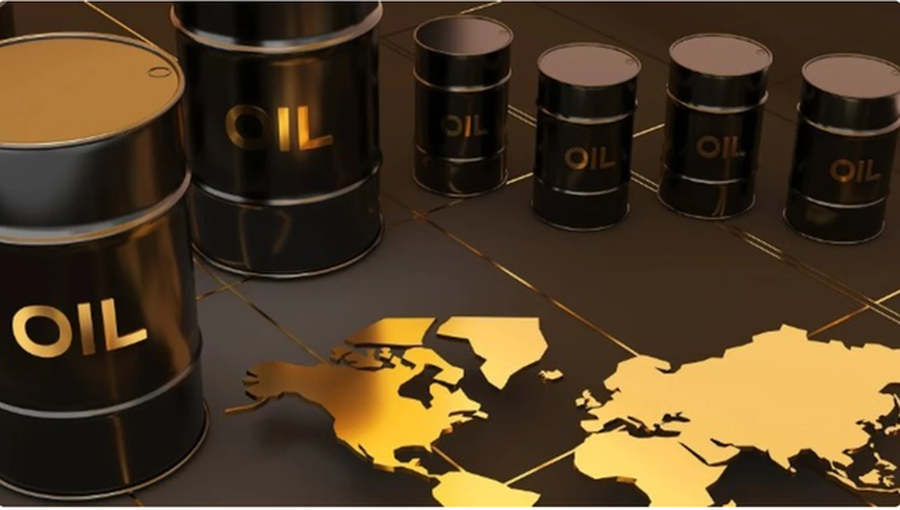
Oil prices rebounded above $100 a barrel as Asian energy markets opened higher on Monday after talks between the United States and Iran failed to reach a new deal and Donald Trump announced he would block Iranian ports.
International Brent crude rose 7.3% to $102.30 (£76.32) a barrel, while US West Texas Intermediate crude rose 8.7% to $104.94. The failure of weekend talks has raised concerns that the global energy crisis will deepen.
We recall that last Wednesday, the price of oil had fallen significantly below $100, following the Washington-Tehran agreement for a conditional two-week ceasefire, which also included the opening of the Strait of Hormuz.
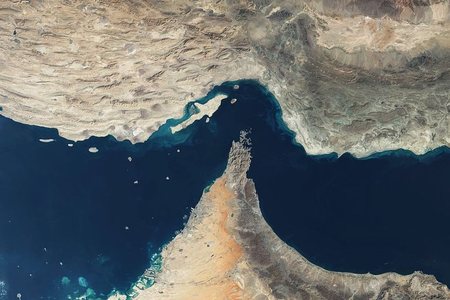
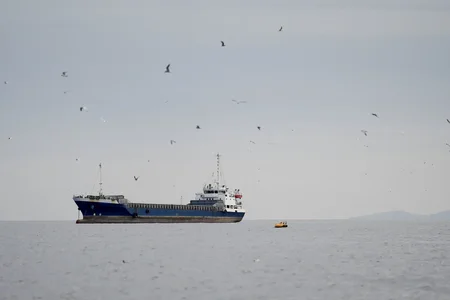
The straits, through which about a fifth of the world's energy shipments pass, have become a key flashpoint in the war with Iran, after Tehran responded to US-Israeli attacks with threats against ships trying to pass through them.
Maritime transport has largely ground to a halt since the conflict began on February 28, although some countries, including India and Malaysia, have provided safe passage for their ships. The disruption has led to a surge in global energy prices.
The US-Iran talks were being closely watched for signs that disruptions to oil shipments through the Strait of Hormuz could soon be contained, said economist Chua Yeow Hwee of Nanyang University in Singapore.
"Oil prices are likely to remain high, as expectations now depend on whether the blockade is fully implemented, whether the shipping disruptions will be extended and whether diplomacy will resume," he said.
Major stock indexes in Asia fell in morning trading on Monday.
Japan's Nikkei 225 index fell 1%, while South Korea's Kospi fell 0.8%.
Asian economies are particularly affected by the developments, as they are heavily dependent on Middle Eastern oil.
US stock futures also pointed to a bearish opening for Wall Street.
Futures contracts are agreements to buy or sell an asset at a predetermined price at a specific time in the future and are used as an indicator of the direction of the markets.
Energy prices and financial markets have fluctuated significantly in recent weeks as investors react to developments in the conflict.
Brent crude oil prices fell to nearly $90 on April 8, following a ceasefire agreement that also saw the reopening of the Strait of Hormuz. Since then, prices have remained volatile, as doubts grow about the duration of the ceasefire and Israeli attacks on Lebanon continue.
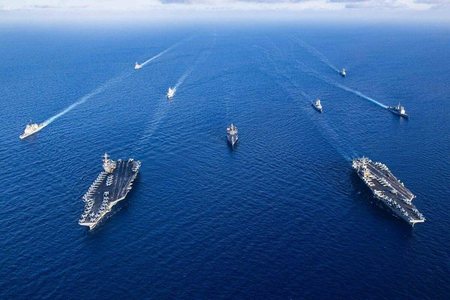
Trump said in a post on the Truth Social platform on Sunday that the US would begin “BLOCKING any ship attempting to enter or exit the Strait of Hormuz.” Centcom later announced that the blockade of shipping to and from Iranian ports would go into effect at 10:00 a.m. Eastern Time (14:00 GMT) on Monday.
It said the measure would apply “non-discriminatory to vessels of all nations entering or leaving Iranian ports and coastal areas.” Centcom also noted that ships “will not be prevented” from transiting the Strait of Hormuz when they are “bound to and from non-Iranian ports.”
Iran's parliament speaker, Mohammad Bagher Ghalibaf, who led negotiations for Tehran in Pakistan, said the country "will not submit to any threat," according to local media.
For their part, Iran's Revolutionary Guard Navy warned that any military ship approaching the Strait to enforce the blockade would be considered a violation of the ceasefire between Washington and Tehran and "will be dealt with harshly."



Lini një Përgjigje