


 Shkruar nga Pamfleti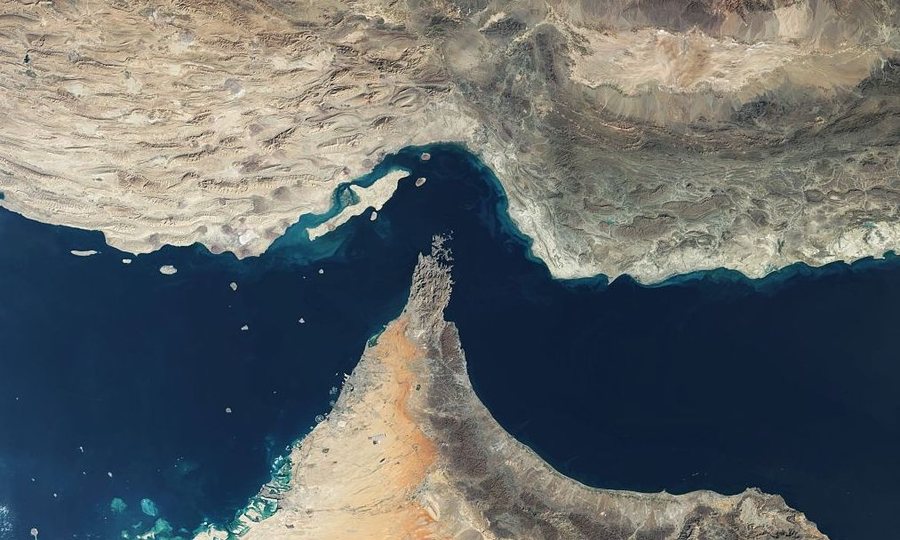
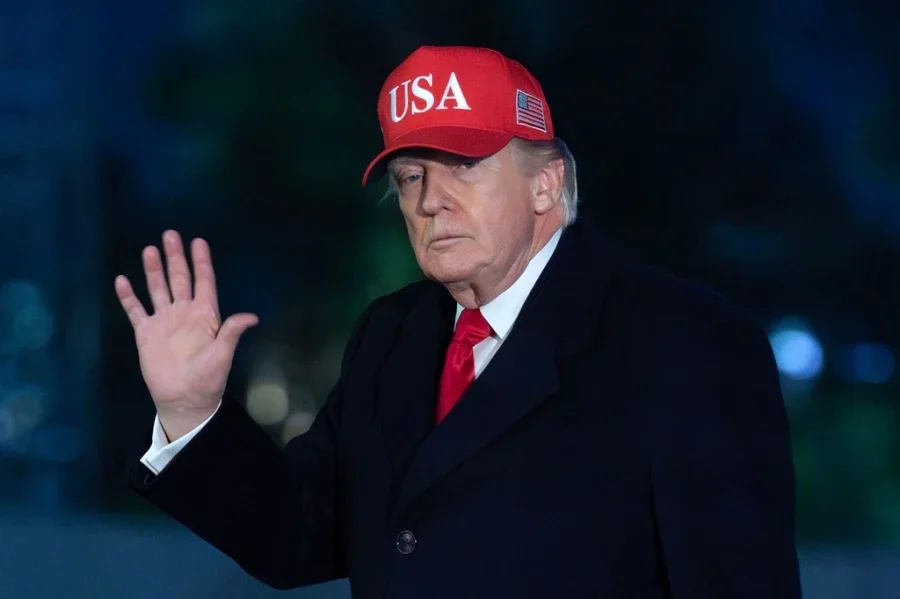
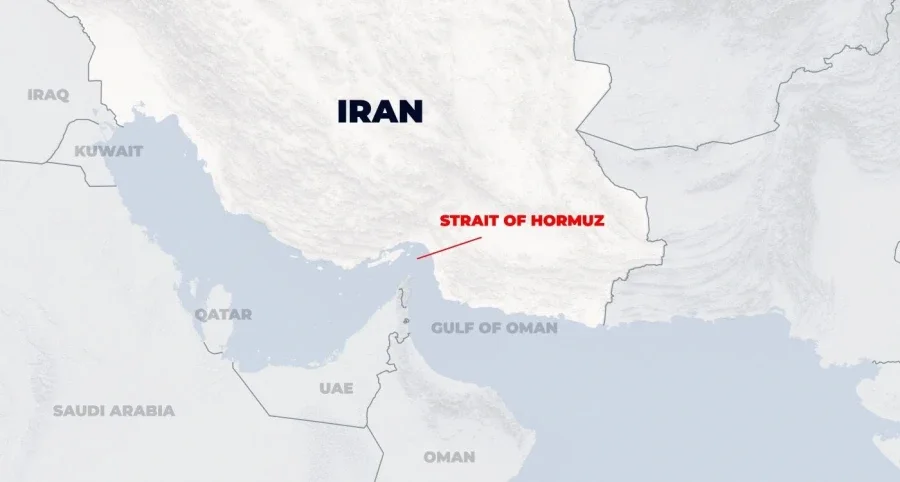
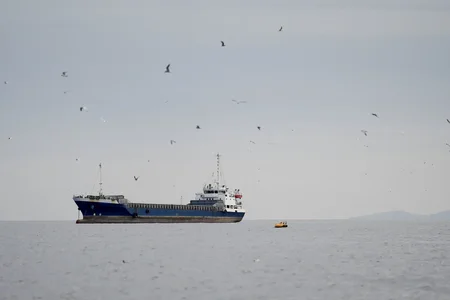
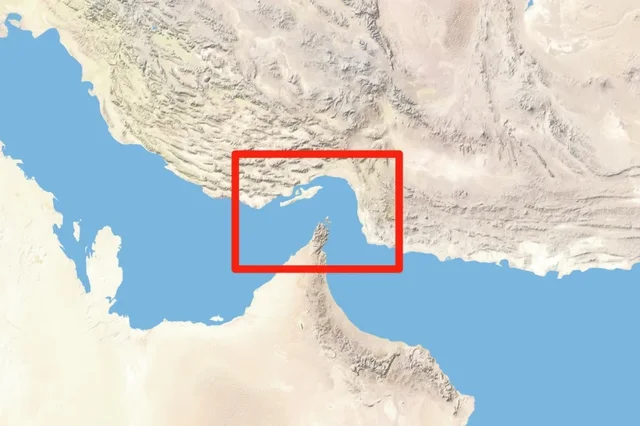
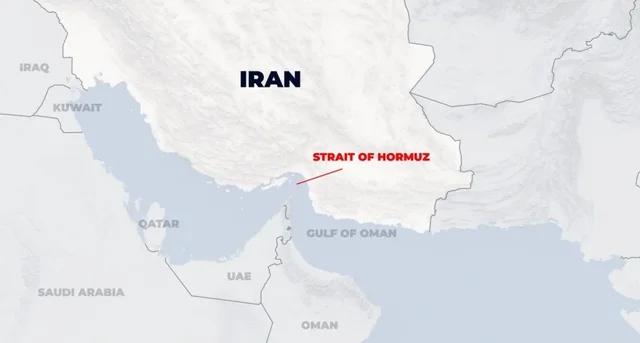
Donald Trump's threat to impose a blockade on the Strait of Hormuz has returned uncertainty to international markets. The main question is how such a measure could be implemented in practice and what the consequences would be for the global economy and oil prices.
The US president declared that the US would initiate procedures to block this strategic sea passage, following the failure of ceasefire talks with Iran over the weekend.
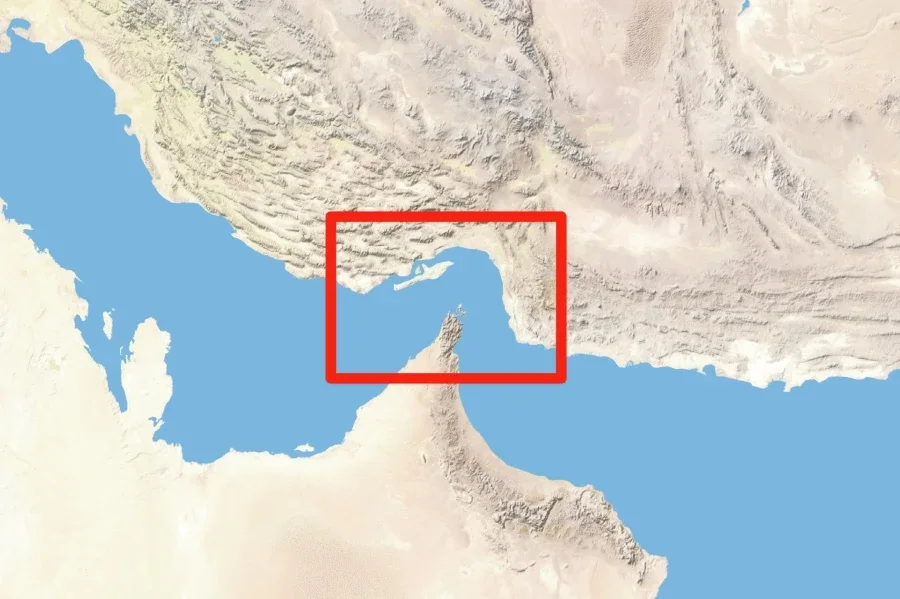
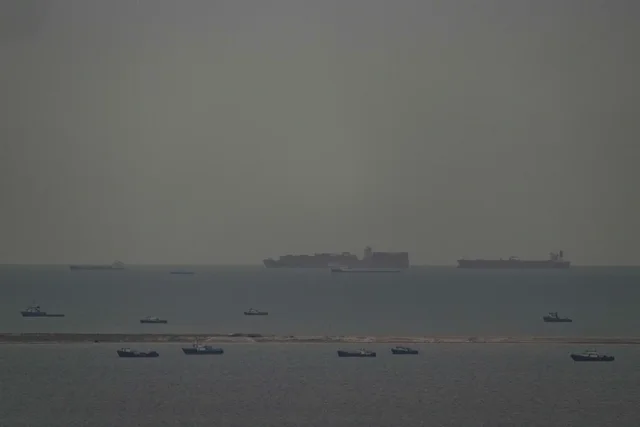
The strait has become Tehran’s most effective “weapon” in its asymmetric confrontation with the United States. Since February 28, the US and Israel have struck thousands of targets in Iran, killing dozens of senior officials. In response, Tehran has sharply restricted passage through the strait, a vital route through which, under normal conditions, about 20% of global oil production passes, raising prices and concerns about inflation.
This new threat has once again shaken markets, which until the end of last week were showing cautious optimism that US-Iran negotiations could lead to a reduction in tensions that have affected the global economy for more than six weeks.
What did Trump announce about the blockade?
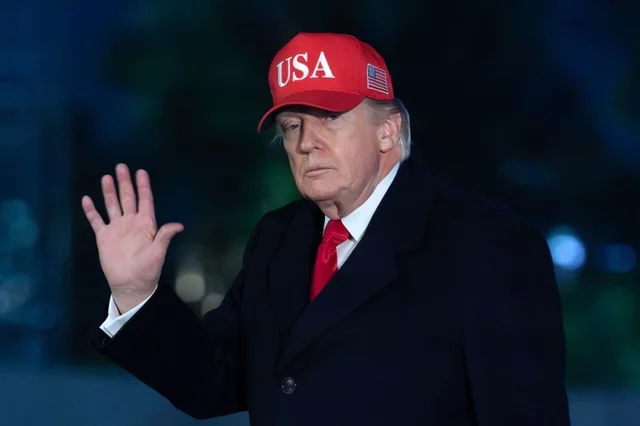
On Sunday, the US president wrote on social media: “The United States Navy, the best in the world, will begin the process of Blockading any ship attempting to enter or exit the Strait of Hormuz.” He accused Iran of “global blackmail” and warned that any attack on US ships would be “annihilated.”
However, hours later, US Central Command (Centcom) clarified that the measure would be limited to ships heading to Iranian ports, allowing passage to ships bound for ports of US allies in the Persian Gulf. The blockade is expected to take effect at 10:00 a.m. Eastern Time (14:00 GMT).
Trump told Fox News that some allies are willing to contribute, but according to reports, the United Kingdom will not participate, while Australia has not received a request for inclusion.
Why threaten a blockade when the goal is to open the Strait?
The reopening of the Strait has been a key sticking point in US-Iran negotiations, according to sources. Tehran aims to maintain control over the passage even after the conflict ends, considering imposing a fee of up to $2 million per ship. The idea is opposed by Washington and other international actors as an infringement on freedom of navigation. Although Trump claims that the reopening is not his responsibility, he faces pressure to resolve the situation before the prolonged shutdown further damages the global economy. If his strategy works, it could strip Iran of a key bargaining chip and restore trade flow, helping to lower oil prices.
How can the blockade be implemented?
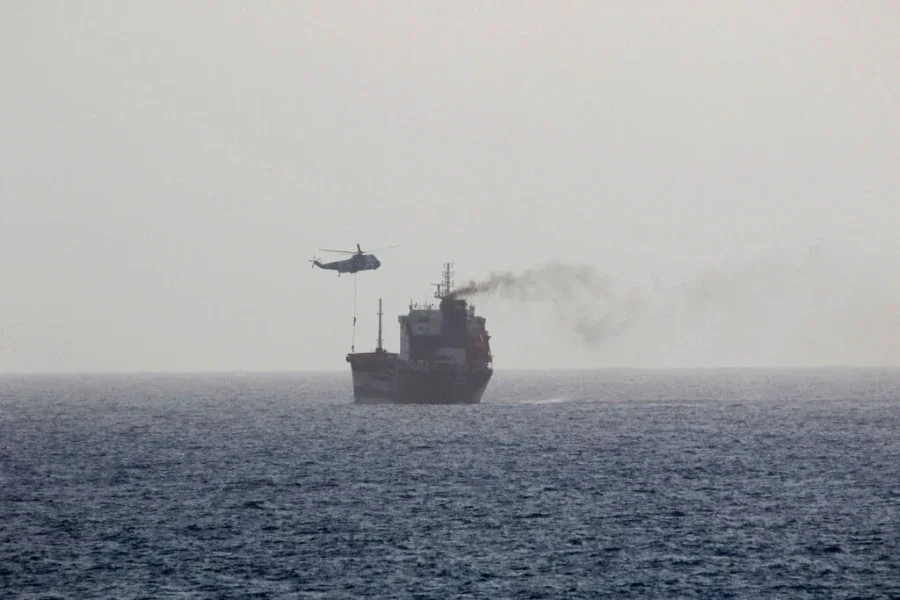
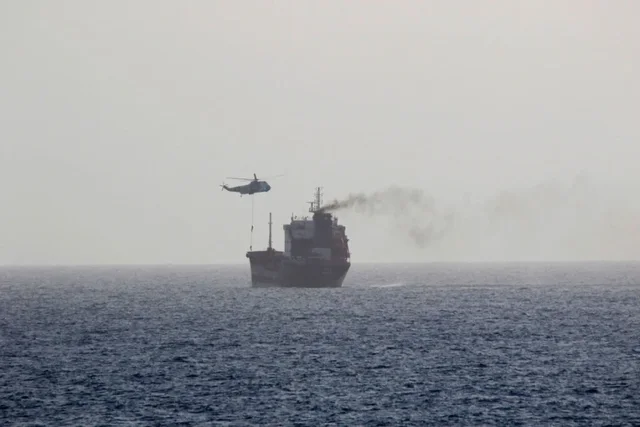
The US military has not yet provided full details on how it will be implemented: the number of ships, the use of aircraft or the role of allies. Experts estimate that missile strikes are impossible due to the environmental risk. The most likely scenario is that the US Navy will force the ships to change course through threats and, in case of refusal, carry out armed inspections. Dana Stroul, a former senior Pentagon official, stressed that this is a difficult operation to maintain in the medium and long term.
What does it mean for oil prices?
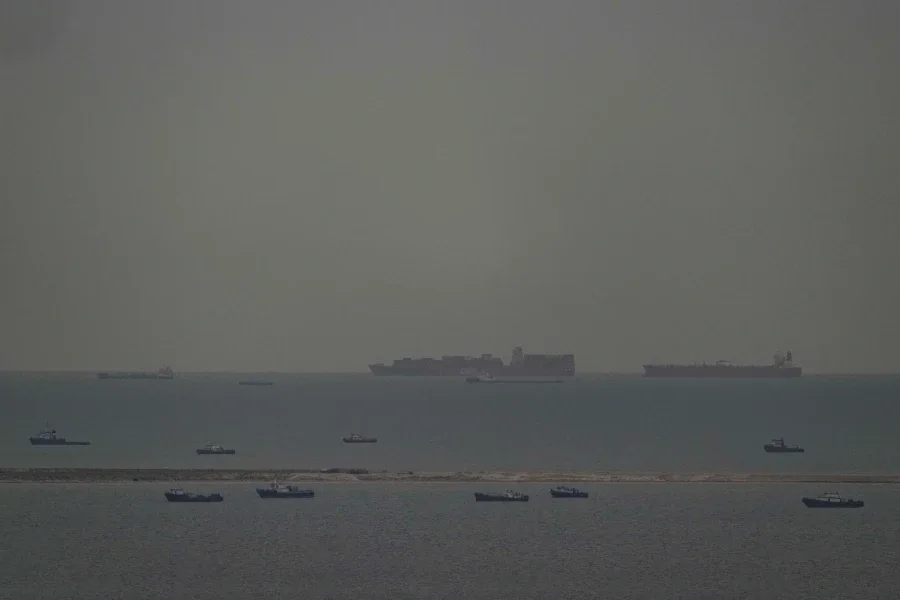
Experts estimate that the blockade could lead to a price increase, depending on the extent of implementation. Kevin Book, head of research at ClearView Energy Partners, emphasized that reducing supply usually increases prices. He warned that a response from Iran or possible attacks on alternative routes by actors such as the Houthis could further increase prices. Blocking Iranian oil ships could hit the regime’s main source of income, but at the same time increase prices in the short term. About 100 tankers have passed through the Strait since the US-Israeli attacks began, most of them carrying Iranian oil to China and India. The disruption of these flows could further increase prices. After Trump’s statements, US oil rose by 8% to $ 104.24 per barrel, while Brent rose by 7% to $ 102.29.
What it means for the US-Iran ceasefire
Iran's Revolutionary Guards warned that any warship approaching to enforce the blockade would be considered a violation of the ceasefire and would face retaliation, stressing that control of the area remains in Tehran's hands. Meanwhile, Trump left open the possibility of resuming US strikes inside Iran, with possible targets including missile production facilities. According to the Wall Street Journal, the US administration is considering this option to break the deadlock in peace negotiations. /Adapted Pamphlet /



Lini një Përgjigje