


 Shkruar nga Pamfleti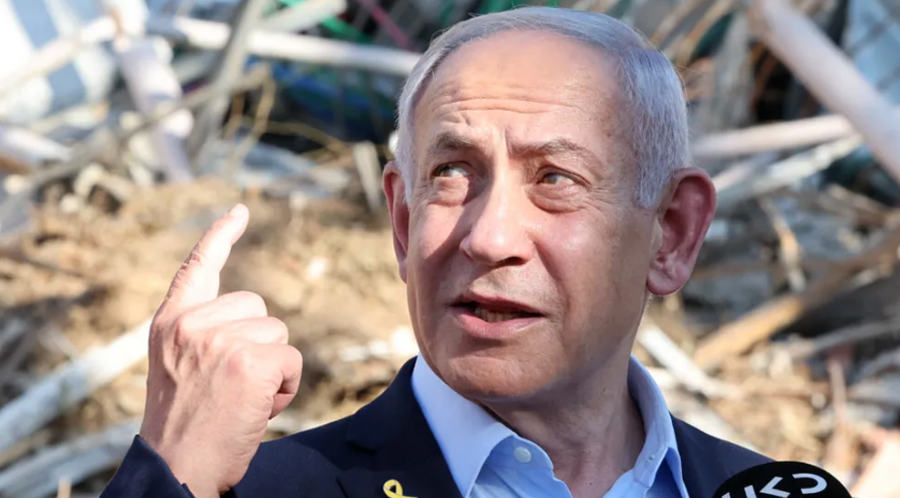
In March, while turning his back on a ceasefire process that was yielding results, the Israeli prime minister made a decision described by some commentators as akin to “political suicide.”
The Gaza ceasefire agreement, brokered by Donald Trump's envoy, Steve Witkoff, even before the US president was inaugurated for his second term, had led to the release of dozens of hostages from Hamas captivity, in exchange for hundreds of Palestinian prisoners from Israeli jails.
The next phase was expected to see the return of more hostages home and a gradual withdrawal of Israeli troops from Gaza, ahead of a negotiated end to the war.
Tired of conflict, Israelis and Palestinians contemplated the end of the most destructive war in a shared history, too often interrupted by fighting.
But Benjamin Netanyahu didn't want the war to end.
While ordering the resumption of attacks across Gaza, the prime minister declared that the fighting would continue until Hamas was "completely destroyed."
The safe return of the remaining hostages in Gaza seemed to be a secondary consideration. Many Israelis, especially the families of the hostages, were outraged.
They accused Netanyahu of putting his own political survival ahead of the safety of their relatives and the overall good of the nation.
"Bibi's" popularity in the polls fell sharply and he struggled to hold together an unstable government, supported by hardline ministers from the far right and Orthodox religious parties.
Three months later, Netanyahu is basking in the glory of a spectacular military victory over his enemy, Iran. Now he is reportedly considering early elections and another term as prime minister.
At a press conference earlier this week, the 75-year-old, who is now Israel's longest-serving leader, said he still had "many missions" to complete and would try to do so for as long as the "people" of Israel want him to.
Later in the week, and presenting the supposed destruction of Iran's nuclear program as a "window of opportunity" that "should not be missed," Netanyahu suggested that only he could ensure "the release of the hostages and the defeat of Hamas," after which he would reach broader regional agreements.
But calling early elections would be a huge risk, and, according to recent polls, Netanyahu has not enjoyed as big a “boost” from the 12-day conflict with Iran as he might have hoped.
'Faith'
Në një sistem politik të përçarë ku ndërtimi i koalicioneve është çelësi në Knessetin me 120 vende, Partia Likud e Netanyahut do të mbetej shumë larg sigurimit të shumicës më vete dhe mund të kishte vështirësi në tërheqjen e mbështetjes nga partitë më të vogla të së djathtës, sugjerojnë sondazhet e fundit në gazetën Ma’ariv.
I njëjti sondazh sugjeroi se një shumicë e konsiderueshme, 59% e izraelitëve, duan që luftimet në Gaza të ndalen tani, në këmbim të pengjeve.
Pothuajse gjysma e të anketuarve, rreth 49%, menduan gjithashtu se arsyeja e vetme pse Netanyahu po e vazhdon luftën është për konsideratat e tij politike.
“Ky djalë është një aktor politik shumë i aftë”, thotë profesoresha Tamar Hermann, një bashkëpunëtore e lartë kërkimore në Institutin e Demokracisë së Izraelit. “Nuk ka politikan më të aftë në Izrael.”
Por, thotë ai, “besimi” është një problem i madh për Netanyahun.
Një udhëheqës politik që ka ndryshuar postet e tij kaq shumë herë për t’u kapur pas frenave të pushtetit thjesht nuk besohet më nga shumica e izraelitëve.
Sipas një sondazhi të ri, që do të publikohet së shpejti nga Instituti i Demokracisë në Izrael i Profesor Hermann, Netanyahu “nuk e kalon kufirin e 50% për sa i përket besimit të plotë ose edhe të pjesshëm të izraelitëve tek ai”.
Në disa mënyra, thotë Prof. Hermann, vendimi për të thirrur zgjedhje të parakohshme “është një rrezik edhe më i madh [për Netanyahun] sesa sulmi ndaj Iranit, sepse në Lindjen e Mesme nuk e di vërtet se ku do të jesh pas gjashtë muajsh”.
Kjo sepse, pavarësisht se rreziku i tij ushtarak në Iran duket se po jep fryte, ka një elefant në cep të dhomës së ndenjes së Benjamin Netanyahut.
Në fakt, mund të thuhet se një tufë e vogël elefantësh po kërcënon të prishë shpresat e kryeministrit për një mandat tjetër në detyrë.
Akuzat për korrupsion
Javën e ardhshme, ai pritet të dëshmojë në një çështje penale të profilit të lartë, në të cilën përballet me akuza për korrupsion politik, përfshirë ryshfet dhe mashtrim.
Përpjekjet e kryeministrit për të shtyrë përsëri seancat dëgjimore në Gjykatën e Lartë për shkak të axhendës së tij të ngjeshur dhe gjendjes së jashtëzakonshme (për shkak të luftës në Iran) u refuzuan në fund të javës së kaluar.
Netanyahu dhe mbështetësit e tij janë përpjekur vazhdimisht ta paraqesin çështjen ligjore kundër tij si pjesë të një “gjueti shtrigash të motivuar politikisht”, por në një shoqëri gjithnjë e më të polarizuar, kundërshtarët e tij janë po aq të vendosur që ai duhet të përballet me drejtësinë.
Duke u dukur sikur mësoi me vonesë për problemet ligjore të “Bibit”, Presidenti Trump tha se Netanyahu ishte një “hero i madh” dhe “luftëtar”, gjyqi i të cilit duhet “anuluar menjëherë” ose, të paktën, atij duhet t’i jepet një falje.
Ky, mos harroni, është i njëjti president amerikan që vetëm disa ditë më parë e kishte kritikuar publikisht kryeministrin izraelit me fjalë të ndyra ndërsa marrëveshja e armëpushimit me Iranin kërcënonte të prishej përpara se të fillonte.
But Trump's latest intervention has been described as reckless and unhelpful by many in Israel.
Opposition leader Yair Lapid said he should not "interfere in a legal process of an independent state."
His seemingly contradictory stance towards Israel and his attempt to interfere in Netanyahu's legal case was akin to "treating us like a banana republic," says Prof. Hermann.
On the international stage, many Israelis accuse Netanyahu of damaging Israel's global standing and economic prospects by unnecessarily prolonging the war in Gaza, even though many former generals have said that the Israel Defense Forces (IDF) have achieved as much as is militarily possible in Gaza.
It should also not be forgotten that the International Criminal Court still has arrest warrants issued against Prime Minister and former Defense Minister Yoav Gallant for alleged war crimes and crimes against humanity in Gaza, where more than 55,000 people have been killed in Israel's war against Hamas.
The Israeli government, along with Netanyahu and Gallant, strongly reject the allegations.
After all, most commentators say, it would be hard to imagine calling new elections in Israel while the war in Gaza continues and Israeli hostages remain captive.
But many of Netanyahu's critics and opponents have prematurely underestimated him over the years and have certainly learned never to question what his next move might be.




Lini një Përgjigje