


 Shkruar nga Pamfleti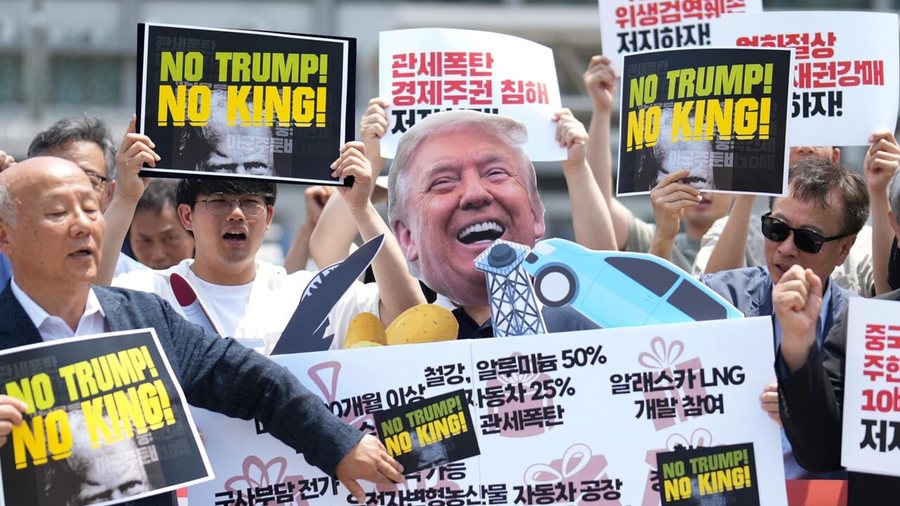
The American president has so far reached agreements with only 7 partners, despite promising "dozens." In many cases, these agreements have cost those who signed them dearly...
Donald Trump is rewriting the map of world trade with his war against those who were once partners, while now, to a greater or lesser extent, are being treated as economic adversaries of the United States.
Washington is negotiating with most world governments but has so far reached only a handful of agreements. The US president has said that most countries that do not agree to separate deals will soon face tariffs of 15 to 20 percent on their exports to the United States, far higher than the 10 percent tariff imposed in April.
Winners and losers
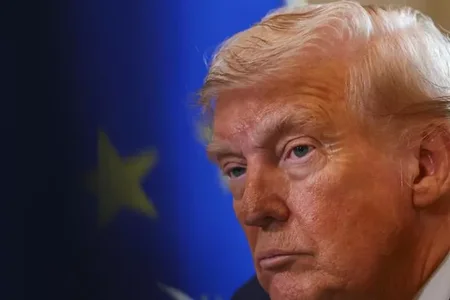
So far, the only government that has managed to convince Trump to act slowly is the British one led by Keir Starmer, which received a preferential tariff of 10 percent, while the European Union has not managed to go beyond 15 percent, but has made a series of concessions on investments and energy purchases.
The hardest hit was Brazil, on which the US imposed a monstrous 50 percent tariff, also linking the decision to legal proceedings against former President Bolsonaro, which Trump is seeking to halt.
In addition to the EU and the UK, Japan, South Korea, Vietnam, Indonesia and the Philippines have also reached an agreement with the White House, which provides for lower payments than those initially announced, but in all cases these are still non-binding political agreements, which need to be written down and the exact details of which remain to be determined.
However, the White House is far from the "dozens of deals" it had said it could sign during the 90-day pause that began in early June.
Here is a summary of the situation in the main countries of the world
United Kingdom
A basic tariff of 10 percent will apply to British goods destined for the United States, with some sectoral exemptions. London is still negotiating the exemption of steel and aluminum from the 25 percent tariff. In return, it has had to further open the market to American ethanol and beef, a move that has sparked protests in the country.
European Union
Të dielën, u formalizua marrëveshja midis Brukselit dhe Uashingtonit: marrëveshja përfshin një normë bazë prej 15 përqind për eksportet evropiane, duke përfshirë makinat, produktet farmaceutike dhe gjysmëpërçuesit. Në këmbim, BE-ja premtoi të blinte 750 miliardë dollarë energji amerikane dhe 600 miliardë dollarë investime të reja jashtë shtetit. Megjithatë, marrëveshja nuk i pëlqeu të gjithëve: Kryeministri francez François Bayrou madje foli për "nënshtrim" ndaj SHBA-së.
Koreja e Jugut
Seuli ka finalizuar një marrëveshje që përfshin një tarifë prej 15 përqind për eksportet në Shtetet e Bashkuara. Për Presidentin e sapozgjedhur Lee Jae Myung, i cili mori detyrën në qershor pas zgjedhjeve të parakohshme, kjo ishte prova e parë e madhe. Megjithatë, vendi është zotuar të investojë 350 miliardë dollarë në Shtetet e Bashkuara në projekte të përzgjedhura nga Uashingtoni, përveç blerjes së 100 miliardë dollarëve në LNG dhe burime të tjera energjie.
Japoni
Japonia pranoi gjithashtu një tarifë prej 15 përqind mbi eksportet e saj, duke përfshirë automjetet, të cilat përbëjnë 30 përqind të eksporteve japoneze në SHBA. Tarifa prej 50 përqind mbi çelikun dhe aluminin mbetet në fuqi. Në këmbim, Tokio do të investojë 550 miliardë dollarë në para publike në Shtetet e Bashkuara.
Filipinet
Produktet filipinase, veçanërisht teknologjia dhe veshmbathjet, do t'i nënshtrohen një takse prej 19 përqind. Pavarësisht taksës së lartë, Manila preferoi marrëveshjen për të shmangur tarifat edhe më të larta.
Vietnami
Hanoi arriti një marrëveshje në fillim të korrikut: produktet vietnameze do të përballen me një tarifë prej 20 përqind. Megjithatë, për mallrat tranzit të prodhuara diku tjetër, por të rieksportuara nëpërmjet Vietnamit, tarifa do të rritet në 40 përqind. Megjithatë, mallrat amerikane do të hyjnë në Vietnam pa taksa.
Indonezia
Eksportet indoneziane do të tatohen me 19 përqind, por pothuajse të gjitha mallrat amerikane do të mund të hyjnë në vend pa taksa. Që në fillim të korrikut, Xhakarta kishte premtuar të blinte më shumë naftë dhe mallra industriale nga SHBA-të.
Pakistani
Islamabadi shmangu me vështirësi një tarifë prej 29 përqind duke nënshkruar një marrëveshje që ul tarifat dhe siguron bashkëpunimin amerikan në zhvillimin e fushave të naftës në Pakistan.
Vendet pa një marrëveshje
Brazili
Pavarësisht se Shtetet e Bashkuara mburren me një suficit tregtar me Brazilin, Trump njoftoi tarifa prej 50% për produktet braziliane. Vendimi lidhej me gjyqin ndaj ish-Presidentit Jair Bolsonaro, të cilin Trump e quajti viktimë të një "gjuetie shtrigash". Lula u përgjigj duke kritikuar hapur Trumpin, duke e quajtur atë një "perandor" dhe i kërkoi Uashingtonit të shmangte një spirale "humbës-humbës" midis dy ekonomive më të mëdha në Amerikë.
India
New Delhi will be hit with 25 percent tariffs, plus an "additional penalty" for arms and energy purchases from Russia. Trump called India a "friend" but complained about a "massive" trade deficit and linked Indian imports from Moscow to the war in Ukraine.
Mexico
The United States' southern neighbor and main trading partner faces 30 percent tariffs. Trump accuses Mexico of not doing enough to stop drug trafficking. Speaker Claudia Sheinbaum has expressed confidence that a deal can be reached.
Canada
Trump has already imposed 25 percent tariffs on Canadian cars and parts, and since June, he has added 50 percent tariffs on steel and aluminum. He is now threatening an additional 35 percent tariff on all other goods not covered by the USMCA agreement. The president has also said that Canada's recognition of Palestinian statehood could "make it difficult to make a trade deal."
China
The conflict between the United States and China remains heated, but the parties have agreed to a temporary truce. After a round of unsuccessful negotiations, the implementation of the new tariffs has been postponed until August 12. Currently, Chinese exports to the US are subject to average tariffs of 30 percent, the result of an agreement signed in May that avoided the implementation of tariffs of up to 145 percent announced in the spring.
In response, Beijing lowered its tariffs on American goods to 10 percent, after threatening tariffs of up to 125 percent. However, China maintained restrictions on rare metals and critical components for American high-tech and military industries, continuing to use strategic exports as a negotiating lever. /Adapted from Today's Pamphlet /





Lini një Përgjigje