


 Shkruar nga Pamfleti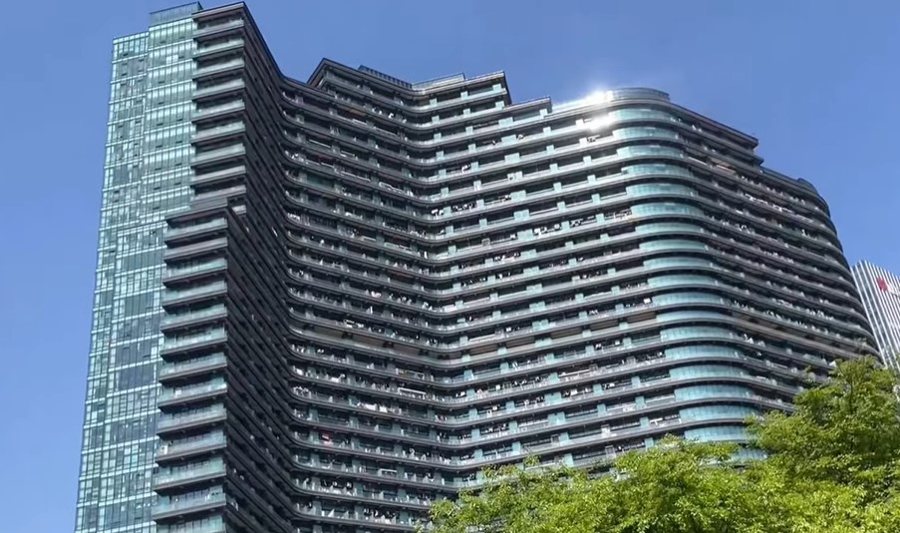
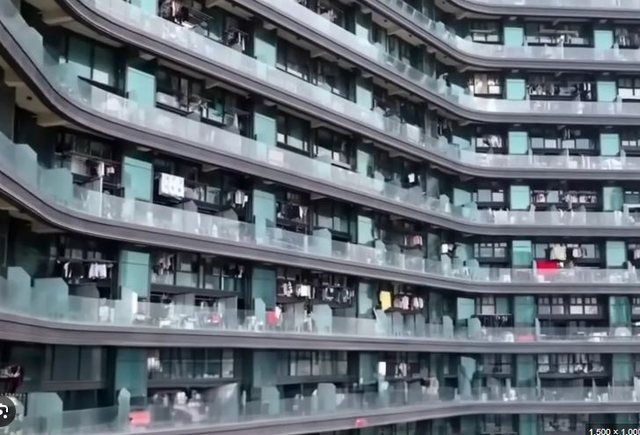
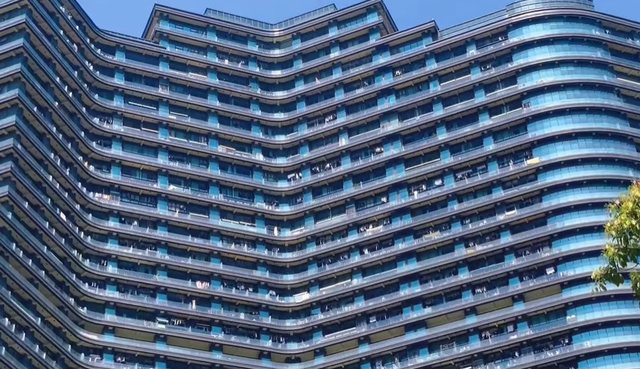
The palace city is in Qianjiang, the central district of Hangzhou, a megalopolis of 11 million inhabitants in China. It is called the Regent International Apartment Complex and represents the largest experiment in collective coexistence that China has ever carried out. We can define it as the maximum expression of the massive urbanization built by Beijing in the last 40 years. It is a skyscraper in which 20 thousand people currently live. Born in a few months from the ashes of poor neighborhoods demolished by bulldozers, according to the classical architecture imagined by Xi Jinping.
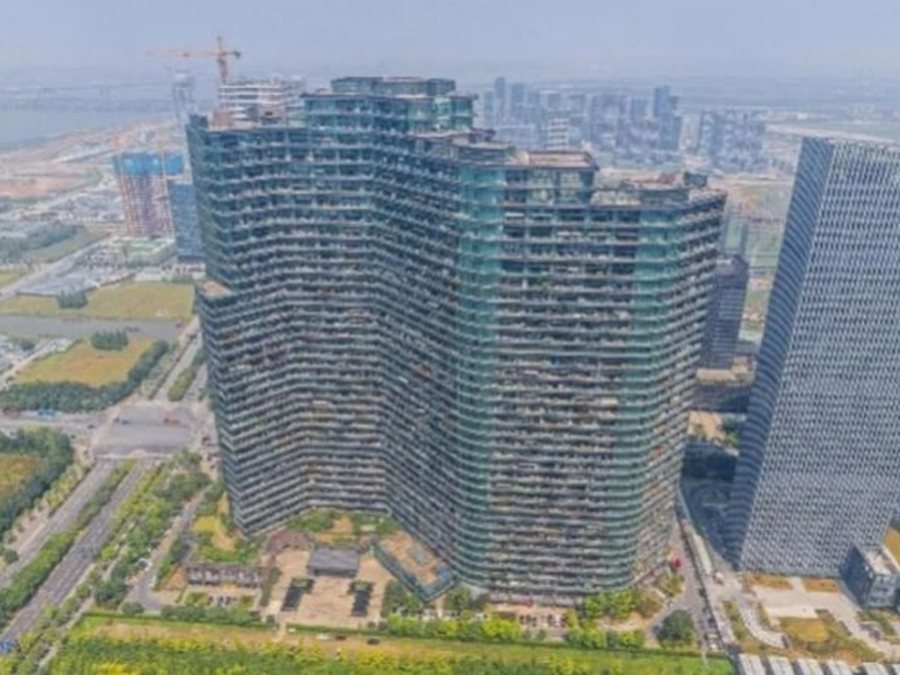
Originally designed as a hotel, this colossal structure has been transformed into thousands of luxury residential apartments, therefore not affordable for those fleeing poverty. It has an S-shape and can accommodate up to 30 thousand residents, but the number is currently lower. It is 204 meters high. Spread over its 36-39 floors, depending on which wing you are in, inside you will find a variety of services and commercial activities, as in any city. There is a large food court, as well as swimming pools, barbers, beauty salons, supermarkets, a hospital and various bars. In short, there is little reason for people to leave the building.
The building opened in 2013 and was designed by Alicia Loo, chief designer of the world's second-largest seven-star hotel, Singapore Sands. It appears to be frequented mainly by professionals, graduates or students nearing graduation. According to an article in the Chinese news agency Sina, smaller windowless apartments typically rent for around 1,500 RMB (191 euros) per month. Larger units, with balconies, can rent for up to 4,000 RMB (509 euros) per month.
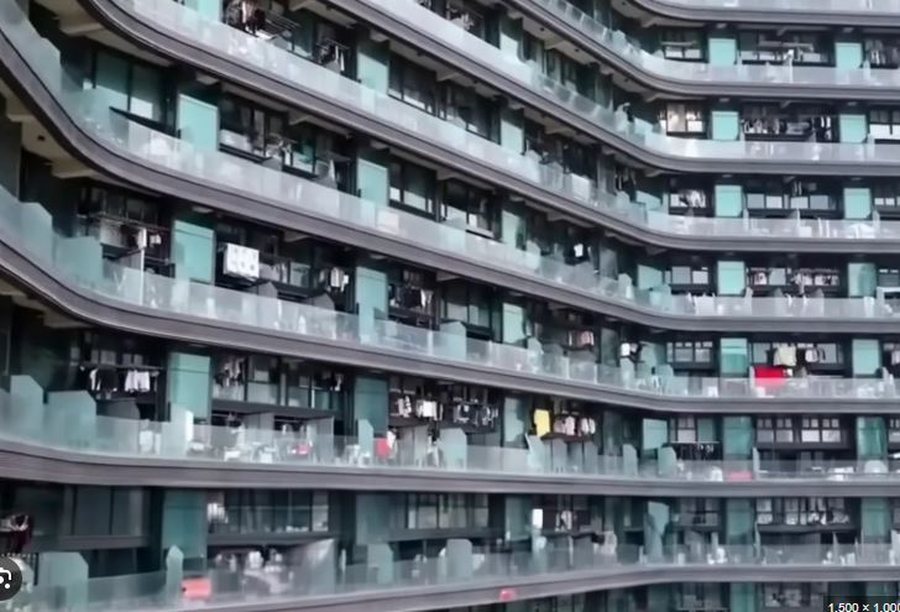
Thanks to its perfect fusion of residential, commercial and recreational spaces, some have even described it as "the most sustainable building in the world." It bears similarities to the remote town of Whittier, Alaska, where 272 residents live in the same 14-story tower. And to a huge skyscraper in Venezuela, known as the Tower of David, which became home to thousands of people who had nowhere else to go. /Corriere Della Sera








Lini një Përgjigje