


 Shkruar nga Pamfleti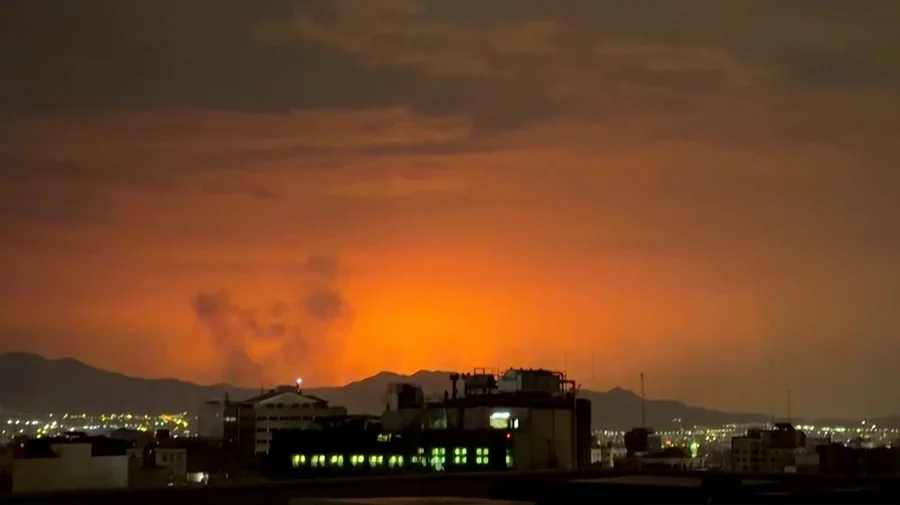
The conflict between Iran, Israel and the United States is escalating and is increasingly involving countries in the region. Missile and drone attacks have been reported in several areas of the Middle East, while Iran warns of a harsh response to any Kurdish uprising. At the same time, the US has suspended the operation of its embassy in Kuwait and NATO has increased missile defense readiness, while tensions are also affecting global energy markets.
The conflict between Iran, Israel and the United States is entering an increasingly dangerous phase, as fighting has expanded beyond Iranian and Israeli territory, including several Middle Eastern countries and raising concerns about a regional conflict.
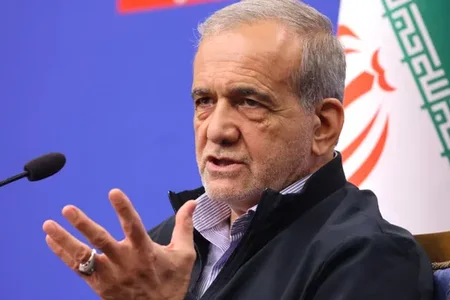
In the latest developments, Iranian President Masoud Pezeshkian warned that Iranian authorities would respond with “decisive measures” against any Kurdish separatist movement. In a message on social media, he thanked the Kurdish population for standing by Iran during the conflict, but stressed that security forces have an obligation to confront any attempt at insurgency.
Shortly afterwards, Iranian Kurdish opposition groups said they had been hit by new attacks this afternoon, wounding at least two people. "Two rockets hit our headquarters at 7:15 p.m., lightly wounding two party members" in the Habbat district of Erbil province, said Mardin Zahidi, a member of the Iranian Kurdistan War Organization, attributing the attack to Iran.
The developments come as Iranian Kurdish militias in the autonomous Kurdistan region of Iraq have discussed with US officials the possibility of an offensive against Iranian forces. US President Donald Trump said in an interview that he would support such a move, while some US media outlets report that the CIA is considering supplying weapons to Kurdish forces with the aim of fomenting an uprising against the regime in Tehran.
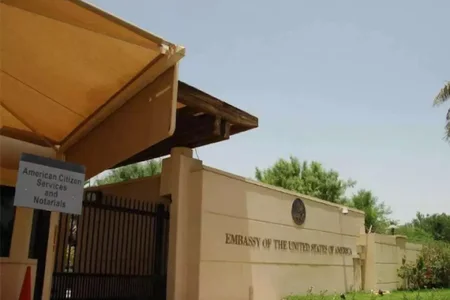
Meanwhile, the conflict is also affecting the Persian Gulf countries. The Kuwaiti military announced that the country has faced missile and drone attacks in its airspace, which were neutralized by air defense systems. In this context, the United States temporarily suspended the operation of its embassy in Kuwait, although authorities said there were no reports of injuries among American personnel.
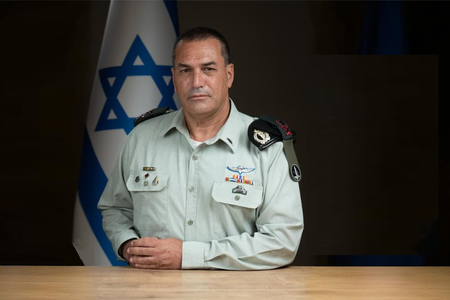
On the other hand, the Israeli army chief, Eyal Zamir, declared that the war against Iran is entering the "next phase", warning of an intensification of attacks against the Iranian regime's infrastructure and military capabilities. He added that the Israeli army also has "other unexpected moves" at its disposal, without giving details.
The clashes have spread to other countries in the region. Israel struck the northern Lebanese city of Tripoli for the first time, killing a Hamas commander responsible for training in Lebanon, the Israeli military said. At the same time, an Iranian missile hit an oil refinery in Bahrain, while the United Arab Emirates announced that its air defense systems had intercepted dozens of Iranian drones.
Tensions have also engulfed the Western alliance. NATO announced that member countries have increased their missile defenses after an Iranian missile was shot down while heading towards Turkish airspace.
On the diplomatic front, US President Donald Trump has stated that he wants to be involved in the process of selecting Iran's next leader, opposing the possibility of the country being led by the son of former Supreme Leader Ali Khamenei.
Meanwhile, the clashes are also affecting the global economy. Oil prices have risen sharply, while oil tanker traffic in the Strait of Hormuz has been temporarily disrupted, raising concerns about global energy supplies.
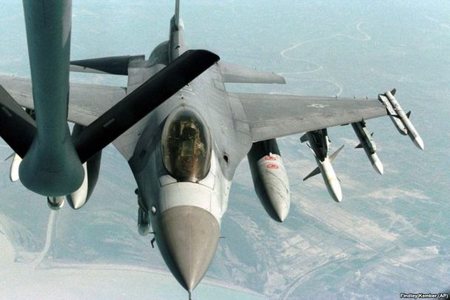
According to an analysis by the Center for Strategic and International Studies, just the first 100 hours of the US military operation against Iran cost about $3.7 billion, or about $890 million per day.
Meanwhile, Western countries have begun evacuating their citizens from the region, while several European states have increased their military presence to protect their interests and allies.
After six days of intense fighting, Iran and Israel continue to exchange missile and drone attacks, while analysts warn that the conflict risks turning into a wider regional confrontation with global consequences. /Pamphlet




Lini një Përgjigje