


 Shkruar nga Pamfleti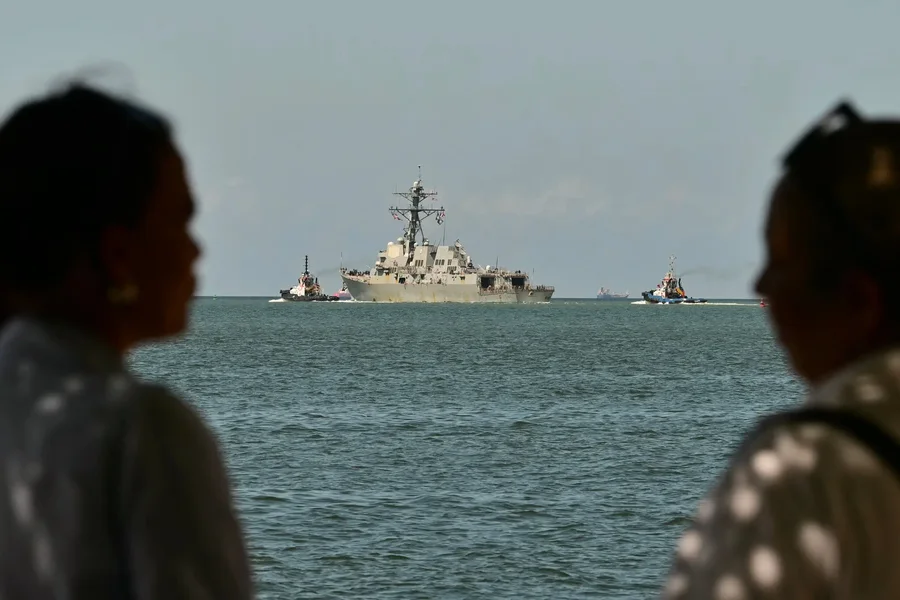
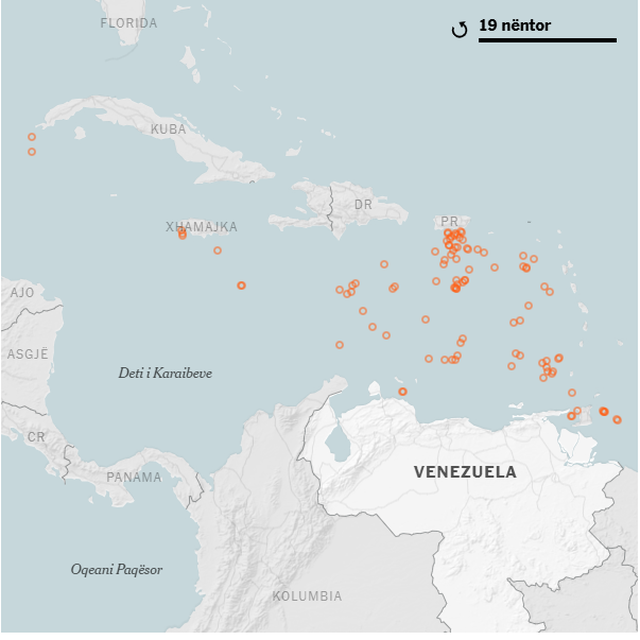
There are nearly 100 locations visited by Navy ships over the course of two months to determine how the military pressure campaign against Nicolás Maduro is manifesting itself at sea...
The US Navy has regularly positioned warships near the Venezuelan coast, in locations far from the main drug trafficking routes in the Caribbean, which looks more like a pressure campaign against Venezuela than the anti-drug operation that Donald Trump's administration claims to be carrying out.
Cruisers and destroyers have been continuously patrolling an area located between 80 and 160 kilometers off the coast of Venezuela, according to an analysis of satellite imagery provided by The New York Times and verified by the newspaper’s staff. While cocaine is trafficked in this area, it is hundreds of kilometers east of the busiest smuggling routes, which, according to U.S. government data, are located near the coast of neighboring Colombia.
The ships are part of the largest US military deployment to the Caribbean since the 1962 Cuban Missile Crisis and constitute a show of force that has included a number of heavy bomber aircraft flying along the Venezuelan coast.
Although the Trump administration has given much publicity to its military activities in the region and touted airstrikes against suspected smuggling vessels, the location of the maritime assets has remained largely secret. Satellite data shows nearly 100 positions of at least eight ships over the past two and a half months as they moved through the Caribbean Sea.
Several warships are equipped with powerful surveillance radars to identify air and ground targets, and are loaded with long-range missiles capable of striking deep inside Venezuela.
“The naval presence we see here is directed toward Venezuela, and they can see that,” said Mark Cancian, a retired Marine Corps colonel and military expert at the Center for Strategic and International Studies.
The United States has said its military forces are in the region to stop the flow of illegal drugs, while accusing Venezuelan President Nicolás Maduro of playing a key role in exporting them to the United States. At least 83 people have died in 21 known attacks on ships in the Caribbean and eastern Pacific that U.S. officials say were transporting drugs.

The US government has provided no evidence that the ships attacked were carrying drugs, and many legal experts argue that they were not legitimate military targets and that the attacks may be violating international law.
Në të njëjtën kohë, këshilltarët e Presidentit Trump kanë punuar mbi strategjitë për të rrëzuar Maduron nga pushteti, dhe Trump ka dhënë miratimin e tij për planet e CIA-s për të kryer operacione të fshehta brenda Venezuelës.
“Nëse objektivi është të përdoret lufta kundër drogës, justifikimi i drogës, si një kalë trojan për të ushtruar presion mbi Venezuelën, atëherë kjo do ta tregonte këtë”, tha Adam Isacson, një ekspert i mbrojtjes në Zyrën e Uashingtonit për Amerikën Latine, duke iu referuar pozicioneve të anijeve.
Javën e kaluar, anijet e Marinës Amerikane janë parë duke lundruar më afër Venezuelës se në çdo kohë tjetër që nga fillimi i vendosjes së trupave.
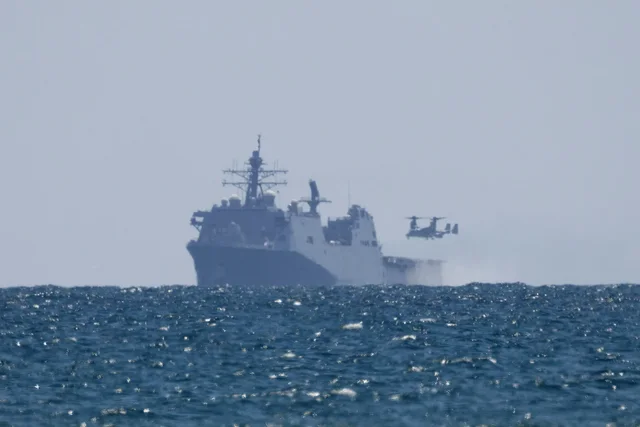
Të martën, një shkatërrues dhe një anije e madhe sulmi amfibe lundruan nëpër gjirin që ndan Trinidadin dhe Venezuelën, vetëm 11 kilometra nga ujërat territoriale të Venezuelës. ABC News ishte i pari që raportoi këto lëvizje.
“Forcat detare amerikane kryejnë operacione në ujërat ndërkombëtare në përputhje me ligjin ndërkombëtar, duke u përqendruar në përpjekjet kundër narkotikëve me partnerët rajonalë”, tha për Times një zëdhënës i Komandës Jugore të SHBA-së, duke shtuar “ne nuk do të komentojmë ose zbulojmë detaje të operacioneve ose rrugëve specifike”.
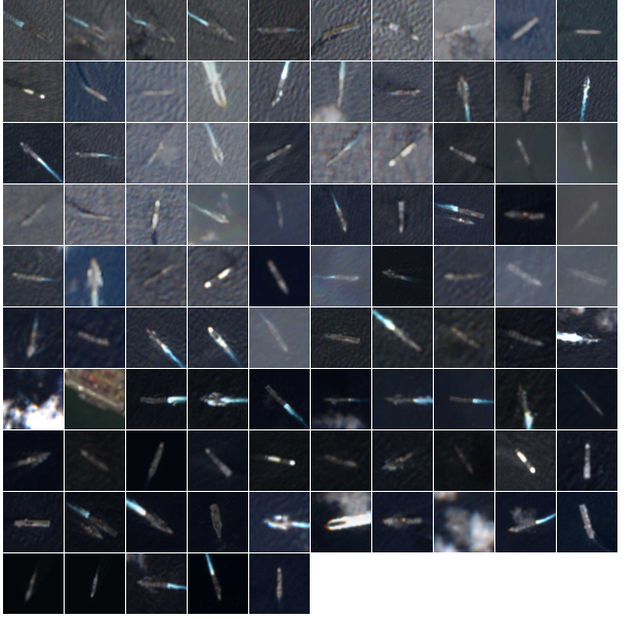
Për të gjurmuar anijet e Marinës Amerikane, Ollie Ballinger, një profesor i gjeokompjuterizmit në Qendrën për Analiza të Avancuara Hapësinore të University College London, shkroi një program kompjuterik të aftë për të lokalizuar anije specifike në imazhe satelitore falas dhe të disponueshme publikisht.

Ballinger ia dha gjetjet e tij gazetës Times, e cila më pas i vërtetoi ato manualisht duke krahasuar anijet e gjetura në imazhet satelitore me fotografi të verifikuara të njohura të këtyre anijeve dhe specifikimet e tyre, të tilla si dimensionet dhe ngjyrat.
Edhe pse pati gati 100 zbulime të verifikuara të anijeve të Marinës Amerikane nga fillimi i shtatorit deri në mesin e nëntorit, të dhënat në vetvete janë të paplota. Për shembull, nuk pati zbulime në ditët me re ose kur satelitët nuk ishin të pozicionuar mbi Karaibe. The Times verifikoi vendndodhje të tjera të anijeve që u identifikuan fillimisht nga disa studiues online të cilët monitorojnë gjithashtu aktivitetin detar.
Ndërsa Marina duket se po e intensifikon fushatën e saj të frikësimit, gazeta Times zbuloi se disa nga anijet e përfshira në analizë kishin përshkuar gjithashtu një korridor midis Venezuelës dhe Republikës Dominikane të njohur për kontrabandën e drogës.
Anijet e Marinës u panë në këtë zonë të paktën tetë herë, tregojnë të dhënat satelitore. Për trafikantët, "kjo është një rrugë mjaft tipike", tha Corey Ranslem, drejtor i firmës së menaxhimit të riskut detar Dryad Global dhe një veteran i Rojës Bregdetare që mori pjesë në misionet kundër narkotikëve në rajon.
Sidoqoftë, rrugët e kontrabandës në Karaibe zbehen në krahasim me ato në Paqësorin lindor, i cili nuk ka përjetuar një fluks të krahasueshëm të burimeve ushtarake amerikane.

Not all of the ships Ballinger and the Times found were near Venezuela or along less-traveled smuggling routes. Other vessels, including three large amphibious assault ships with thousands of U.S. sailors aboard, have rarely ventured far from Puerto Rico. These ships, said Cancian, the military expert, “have essentially no capability” against drug trafficking.
However, they are ideal for landing troops. For the past three months, Marines operating these ships have conducted simulated landing operations on the beaches of Puerto Rico, according to photos and videos released by the Department of Defense.
Cancian said the ships and troops on board were insufficient to carry out an invasion of Venezuela, but on Monday, Trump did not rule out sending US ground forces to the area.
These ships were recently joined by the Navy's largest and most modern aircraft carrier, the Gerald Ford, which entered the Caribbean Sea on Sunday. /Adapted from the New York Times/







Lini një Përgjigje