


 Shkruar nga Pamfleti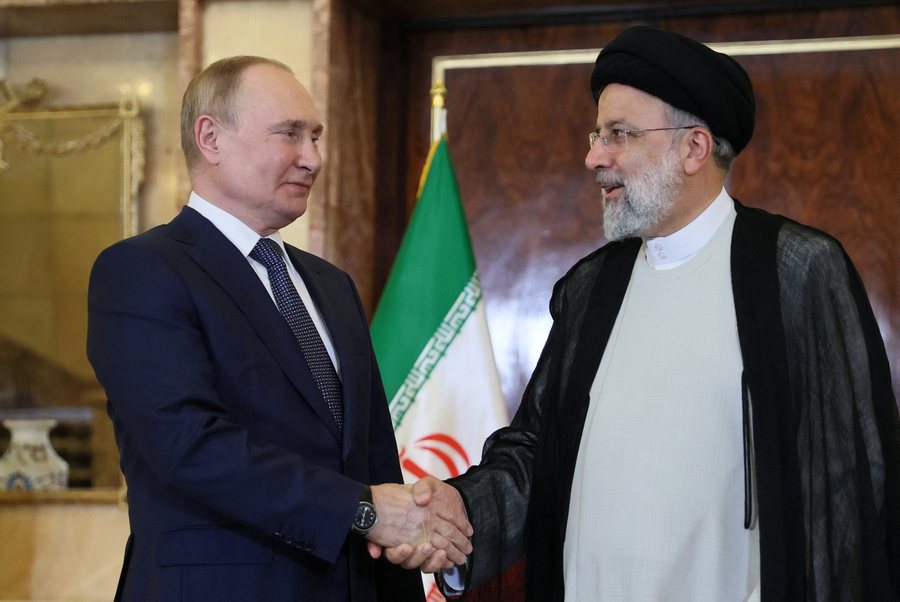
Russia is developing thousands of Iranian-designed drones at a huge secret military base, leaked documents show. Engineers at the Alabuga facility in Tatarstan, about 800 kilometers east of Moscow, are trying to produce about 6,000 of the upgraded drones by 2025, The Washington Post reported.
Although production is behind schedule, experts believe this could mean hundreds of 'Shahed' drones will be directed at Ukrainian targets at the same time, rather than the dozens currently used in attacks. The documents show that the workers, some of whom have had their passports confiscated to prevent them from leaving the country, are using code names for the project. So drones are 'boats', explosives are 'bumpers' and Iran is alternately 'Ireland' or 'Belarus'.
This program was a closely guarded state secret, despite taking place in an area the size of 14 football fields, which would be further expanded. It all started this year, with a team restoring dismantled drones from Iran. They are currently in the second phase: they produce the vehicle bodies themselves, but equip them with Iranian electronics. Early next year, the facility will begin building unmanned aerial vehicles using Russian materials and components.
Details from the investigation
Alabuga has already been at the center of a wide-ranging investigation by the Financial Times, which revealed the role of Albatross, the company that is producing combat equipment by evolving a hybrid of Russian and Iranian technology. The American newspaper reinforces the scope of the investigation by presenting what would be internal documents of the Alabuga plant, which would show the strategy developed by the Russian project managers to bring the production process to full efficiency.
According to the paper, they were provided by an anonymous employee who works in Alabuga but aims to sabotage Moscow's war effort to hasten peace. Even if what is presented has all the elements to look like the fruit of an operation of economic and industrial intelligence. The pipeline project is based on the Russian will to overcome a significant obstacle: the coexistence in the Shahed-136 drone of components manufactured by Russia or from "friendly" countries such as China along with Iranian copies of Western products made by reverse engineering and For example, writes Úp, "the flight control unit, used to fly the drone, consists of 21 separate electronic components manufactured by the Texas Instruments company based in Dallas.
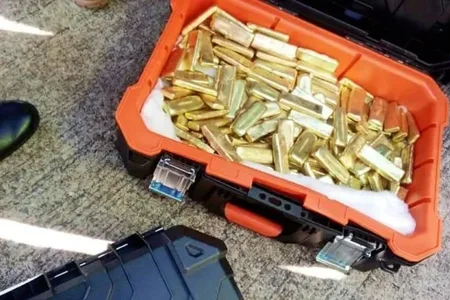
At least 13 electronic components manufactured by Massachusetts-based Analog Devices are present on all of the drone's main circuit boards, including an accelerator critical to the aircraft's operation. A document dated February estimates that “the value of the project is 151 billion rubles, more than 2 billion dollars at the exchange rate at the time. According to agreements reached earlier, more than half of this sum would go to Iran, which insisted on being paid in dollars or gold because of the volatility of the ruble, which hardened in the spring and summer. An extraordinary transaction for two economies affected by various sanctions that are trying to break free through comprehensive industrial cooperation. Which at the same time shows a number of interesting operational perspectives for Russia,
On the other hand, what worries Russia is the fragility of the domestic technological and scientific research structure in the development of new weapons. Turning to a country like Iran to compensate for domestic deficiencies in the drone production and development chain shows the weakness of a state that claims to be a superpower.




Lini një Përgjigje