


 Shkruar nga Pamfleti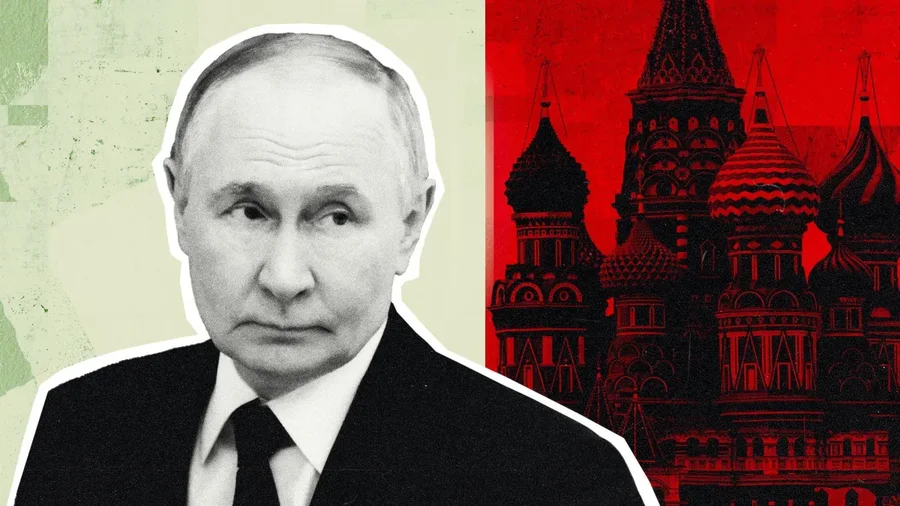
The Russian president aims to confront Western societies with chaos and uncertainty, according to an international analysis
Kremlin leader Vladimir Putin is facing a decline in Russian influence in several regions of the world, but he still relies on a key strategy to maintain his advantage: spreading chaos and destabilization.
Russian mercenaries were sent to stabilize Mali. Assimi Goïta's military regime extended its rule for another five years last December, but remains completely dependent on Russia's African Corps to confront Islamist militants who have besieged the capital.
However, Russian troops are currently surrounded, as fighters from Jama'at Nusrat al-Islam wal-Muslimin (JNIM) burn fuel trucks and abduct women from public transport. Large parts of the country are under the control of the terrorists, and Russian mercenaries have all but given up on trying to retake those territories.
From this situation, according to the analysis, Putin benefits in one respect: he has plunged another part of the Western periphery into continuous instability.
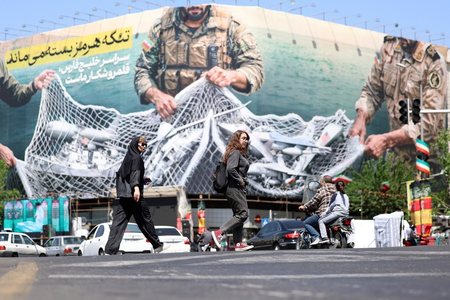
In Iran, the pattern of Russian involvement reflects the same trend. Russian-made air defense systems were severely damaged last year and are now considered neutralized. However, Moscow has provided Tehran with real-time targeting intelligence, enabling precision strikes on U.S. radars and air bases in the Persian Gulf.
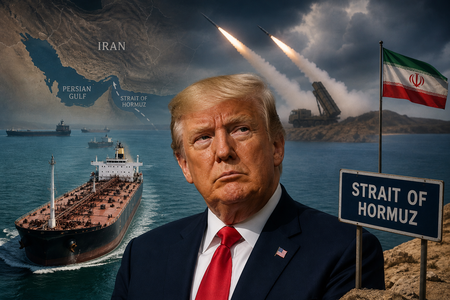
When Iran blocked the Strait of Hormuz, Russia and China collaborated to prevent the UN Security Council from supporting measures to reopen it.
In the South Caucasus, Russian military influence is in retreat. Armenia, a traditional ally of Moscow, has moved decisively towards strengthening ties with the US and Europe.
In Ukraine, Russia remains locked in a war that has entered its fourth year. Meanwhile, Ukrainian long-range drones strike deep into Russian territory, damaging oil terminals as far away as Samara and Ust-Luga. The attacks have reduced production by more than 300,000 barrels per day.
Economic pressure is becoming increasingly visible within Russia. Promsvyazbank, the state-owned bank that finances the defense industry, reported large losses in March. Many defense companies have had difficulty repaying debts, signaling growing financial strain.
Essentially, Putin's war economy is facing a slow-moving debt crisis, making Russia more dependent than ever on China for supplies and oil revenues.
This situation is fueling growing discontent. Although open opposition is dangerous, figures who usually support the regime are expressing criticism. The head of the Communist Party, Gennady Zyuganov, has warned that the economy is on the verge of collapse.
A Russian public figure, Victoria Bonya, published a critical video that was viewed by millions of people, where she emphasized that the authorities are not reporting economic reality and that society is under high tension.
In this context, authorities have increased efforts to control information, restricting the Telegram app and cracking down on the use of VPNs.
The analysis argues that, despite the losses in Syria, the weakening of allies and the stalemate in Ukraine, Putin's strategy has not changed. He aims to project disinformation, division and tension into Western societies.
Currently, one of the main targets is Poland. Security services report numerous hybrid attacks, including sabotage, drone intrusions and cyber operations, accompanied by disinformation campaigns to incite fear and division in society.
Even as he faces serious economic and military challenges, Putin is relying on a long-term strategy: weakening the West's democratic stability through chaos and information manipulation. /Adapted from The iPaper /




Lini një Përgjigje