


 Shkruar nga Paolo Rossetti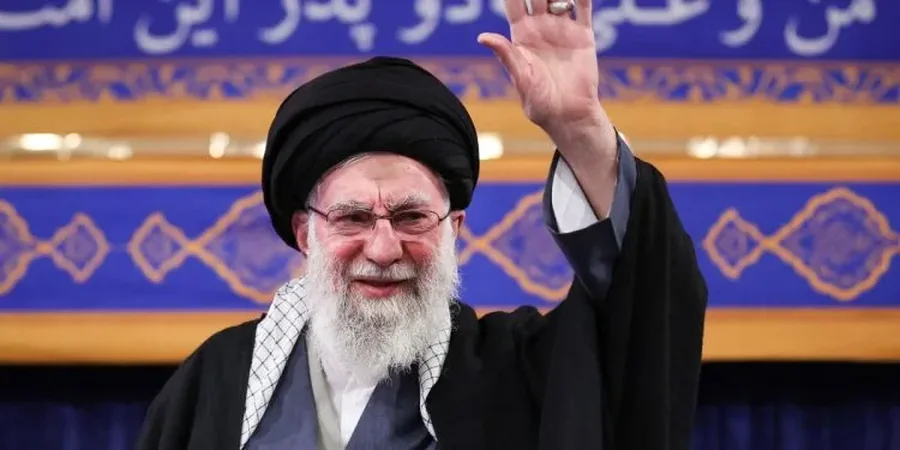
The crisis in Iran is not over, while the US is amassing forces in the region. A diplomatic solution, with the departure of Khamenei and an opening to the West but the overall preservation of the regime, is seen as the most likely path...
The protests are not as strong as before, but the crisis is not over. The Iranian regime remains fragile and discontent could erupt again. Rony Hamaoui, professor of banking sciences at the Catholic University of Milan and an expert on Islamic economics and finance, thinks the Ayatollahs still have a chance to survive.
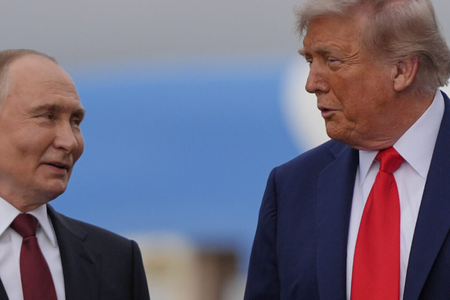
But they should immediately enter into talks with the Americans, perhaps with Putin's mediation. Trump is currently moving aircraft carriers to the Middle East to provide the necessary force in the event of a military intervention.
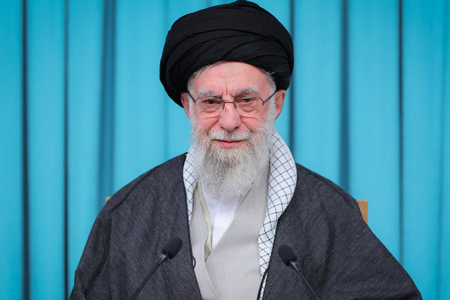
However, it may also accept a diplomatic solution along the lines of the Maduro model: Khamenei in exile and another figure replacing him, willing to listen to Washington.
Does the relocation of the aircraft carrier "Lincoln" from the Pacific to the Middle East mean that an attack on Iran is inevitable?
Not necessarily. The protests have faded, but they are not over. Remember that in 1979 the unrest that overthrew the Shah lasted a year. Major revolts do not end in a few days. The regime has been weakened, but it is not powerless. It may try to make some reforms, as it did after the women's revolt against wearing the headscarf, when it allowed some liberalizations.
How can the theocratic regime regain control?
It aims to survive. The internet is still blocked and is expected to remain so until the end of March, but the authorities may attempt a political turnaround. To do so, relations with the US must change. Domestic reforms are slow; changing course towards the West is faster, as happened in Syria and Venezuela.
What exactly does the West want?
The regime must abandon its nuclear program, abandon its rhetoric about destroying Israel, and release political prisoners inside the country. If it meets these conditions, the US may not intervene and the regime may remain standing. If not, the risk of an attack increases significantly.
Is this exactly what Trump is expecting?
Yes. He doesn't want to take risks. Trump only acts when he is sure of victory. That's why he is amassing forces in the region. The US needs to hit the right targets, because Iran is a large country with over 90 million inhabitants and many resources, including military ones.
Why has Israel advised Trump not to intervene?
Because he fears a major Iranian missile attack. Netanyahu has warned that
Without a clear plan, the situation could spiral out of control. Even Arab countries oppose such an attack, as they depend on tourism, markets and regional stability.
What does a possible American intervention depend on?
From the reaction of the Iranian government and people, as well as from the US ability to build a credible plan. Mossad chief David Barnea has visited Washington specifically for this reason.
Trump also does not want to disrupt relations with countries like Saudi Arabia, Turkey, or Pakistan, which have signed a joint military agreement - a kind of "Muslim NATO", combining Pakistan's nuclear power, Turkey's technology, and Saudi Arabia's capital.
What role can Russia play?
Putin has close relations with Iran and has offered himself as a mediator. There is even talk that Khamenei has transferred his assets to Moscow, preparing for a possible exile.
What are the alternatives for Iran's future?
One option is the Venezuelan model: removing Khamenei and replacing him with a more moderate figure, like President Pezeshkian. The Shah's son is also on the table, but Trump prefers a more institutional solution. Khamenei, who is 86, could retire into quiet exile in Russia.
Is an internal solution possible from the Iranian opposition?
The risk is great. Without a clear plan, the country could end up in chaos like Syria or Libya. For this reason, many analysts believe that it is safer to reform an authoritarian regime than to overthrow it without a viable alternative./ Adapted from "Pamphlet", from "Il Sussidiario"



Receta kolonialistesh!