


 Shkruar nga Pamfleti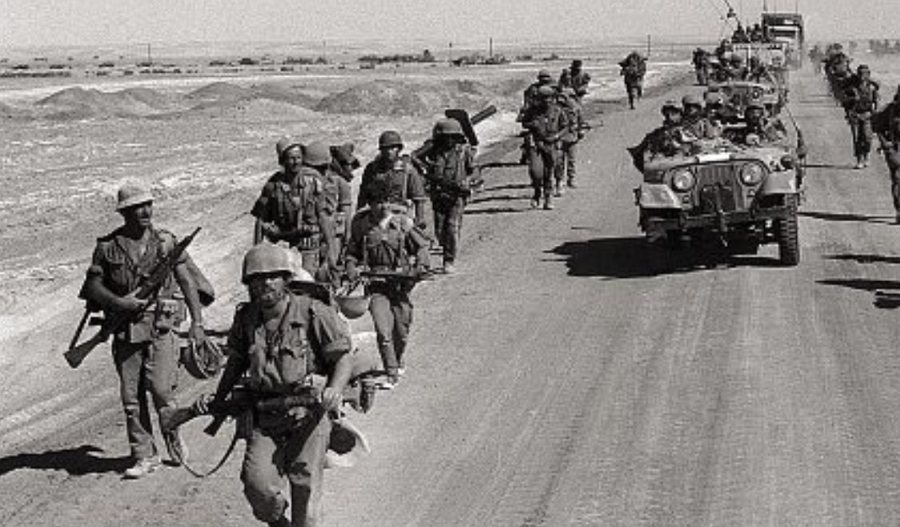
On October 6, 1973, Arab armies launched the Yom Kippur War, taking Israel by surprise, warned the day before by a high-level spy, Nasser's son-in-law Marvan Ashraf, enlisted by the Mossad. Hamas missed the anniversary date by a day, perhaps because it wanted to operate on Saturday on the enemy's day of rest, when positions have fewer guards, there is greater relaxation. The surprise happened again, with a total failure of all security systems.
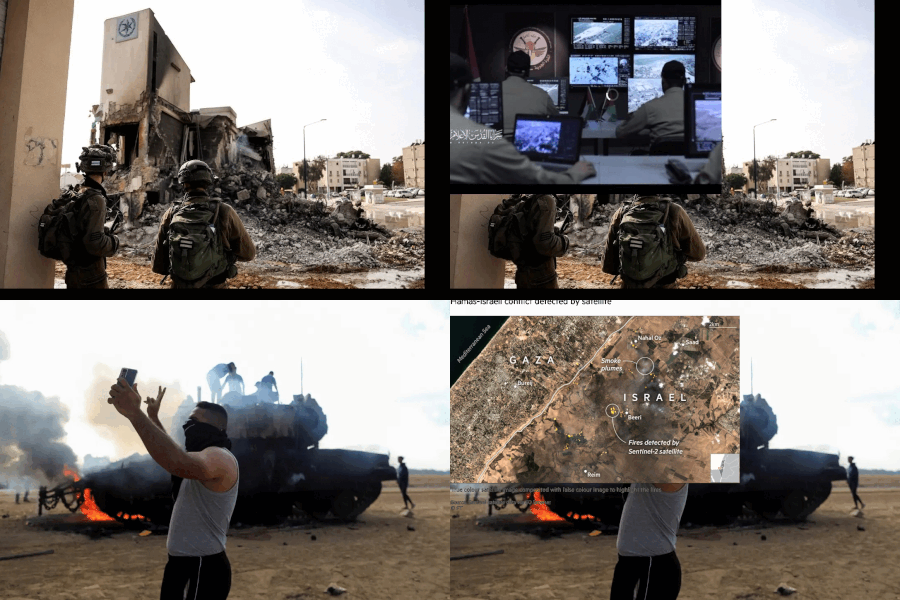
The attack by the Islamic movement required long preparation. Months and months of work. Military leader Mohammed Deif carefully planned the operation by studying the security routine along the Gaza border: the information needed to identify weak points, any mistakes to exploit, the behavior of soldiers, the rotation of units, the characteristics of officers. The high number of militants involved and the subsequent movements underscore just how wide the gap in Israeli security was. The burning tank and abandoned armored vehicles at a base are evidence of this.
Members of the Ezzedine al Qassam Brigades entered Israeli territory in vehicles and motorcycles, free to drive, shoot bystanders, take hostages and even record propaganda videos.
They used motorized planes that require years of training: their presence was known because a few days ago a German diplomat posted a video after taking part in a test, moreover the Palestinians had been using them since the 1980s.
Militants conducted inspections through collaborators, assessed access roads and police stations. A serious challenge. How was it possible that the Shin Bet (internal services), which has spies and surveillance systems, means of pressure and persuasion, did not notice anything? An operation of this magnitude had to reveal something.
It is possible that Hamas has "drunk" the enemy, perhaps with false information, managing to camouflage its intentions. It will probably turn out that there were reports, ignored or underestimated. Perhaps Jerusalem was used to regular missile attacks, a limited duel, and did not realize that, on the contrary, the faction was ready for the big jump.
The movement's close combat cooperation with the Iran-Hezbollah couple points to advice, suggestions, instructions on how to conquer villages or kibbutzim. Real coordination is not excluded either. For strategic reasons: the attack has consequences for the entire region. For tactical reasons: Lebanese guerrillas have always had among their targets a similar mission in the Upper Galilee, near the border with Israel. Mossad couldn't catch anything? Not even a clue? There may be an explanation in the total secrecy imposed by Deif. And some American experts have also questioned the antennas of the NSA: have they caught "whispers" in the Tehran-Gaza axis?
The second failure is from the military. Everyone wonders what the size of the remaining wards was to guard a critical area. The first question concerns the troops stationed on the border enclosed by a high palisade, the second concerns those in the rear. A screen torn apart by explosions and volleys. In June three soldiers were killed on the border with Egypt, an episode where alarming aspects emerged: very long shifts, possible malfunctions.
Israel has spent a fortune on positions, sensors, cameras and a system to thwart clandestine tunnels. But those who attacked went through anyway and according to some sources they "confused" the electronic surveillance systems with special equipment. Critical issues – and investigations will determine this – affect the entire hierarchical chain, from commanders to infantry, but do not spare political leaders either. The country torn apart by a deep and unprecedented institutional conflict has lost focus on the immediate front. That has never been extinguished. / CdS – Bota.al




Lini një Përgjigje