


 Shkruar nga Pamfleti
The war is deeply unpopular, and rising oil prices are expected to bring higher costs to Americans for a long time.

Donald Trump continues to be enthusiastic about the capture of Nicolás Maduro. The easy capture of the Venezuelan president not only gave Trump control over the country’s oil and critical mineral resources. It also gave him the opportunity to pressure the Cuban government into cutting off its access to energy, opening up the prospect of toppling a communist regime that has irked Washington since 1959.
Trump is convinced that his cooperation with Israel against Iran will have the same result. The barrage of Iranian missiles and drones directed at Israel and Iran’s Arab neighbors has not changed Trump’s belief that he can win, regardless of how he defines “victory.”
Despite the impact the war could have on energy markets, Trump believes the American economy can withstand it.
“Short-term oil prices, which will fall rapidly once the Iranian nuclear threat is destroyed, are a small price to pay for US and world security and peace,” he wrote on social media . “ONLY FOOLS WOULD THINK DIFFERENTLY!”
Trump’s sense of invincibility is also linked to the fact that his erratic economic policies have so far not caused the damage that many analysts had predicted. Despite high trade tariffs, cuts to the federal administration, deportations of immigrant workers and constant attacks on the Federal Reserve, just a few weeks ago leading economists were discussing the possibility that the US economy was entering a “soft landing” after a period of high inflation.
The United States is also among the major economies least exposed to rising energy prices. Crude oil imports have fallen sharply while domestic production has increased since the early 2000s. Meanwhile, natural gas, whose price in the US market is less sensitive to global fluctuations, has gained a larger role in energy supply.
Today, oil meets about 38 percent of U.S. energy consumption, nearly 10 percentage points less than during the 1973 oil crisis, when Arab countries halted exports to the U.S. to punish American support for Israel in the Yom Kippur War. Meanwhile, natural gas's share has risen from 30 percent to 36 percent.
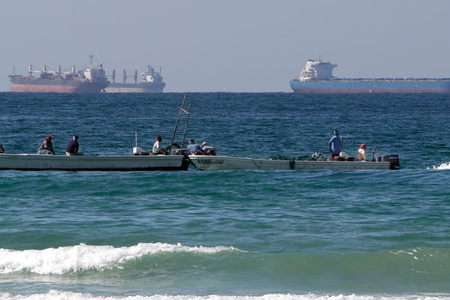
Tregjet evropiane u tronditën kur Irani kufizoi kalimin në ngushticën e Hormuzit, përmes së cilës kalon rreth 20 për qind e dërgesave globale të naftës, dhe reaguan me panik kur Katari ndaloi funksionimin e disa objekteve të gazit të lëngshëm. Në anën tjetër të Atlantikut, treguesi i preferuar i Trumpit për ekonominë amerikane, indeksi S&P 500, vazhdon të qëndrojë pranë nivelit më të lartë historik.
Megjithatë, pavarësisht këtij momenti të favorshëm, Trump përballet me një formë tjetër humbjeje. Nuk bëhet fjalë për një humbje ushtarake ndaj asaj që ka mbetur nga forcat e armatosura iraniane. Ai mund të përballet me kundërshtimin e vetëm që historikisht ka qenë në gjendje të ndalojë aventurat ushtarake amerikane, kundërshtimin e opinionit publik në SHBA.
Lufta kundër Iranit ka qenë thellësisht jopopullore që nga fillimi, një situatë e pazakontë për një vend që shpesh mbështet dërgimin e trupave në luftë edhe kur justifikimet janë të diskutueshme. Efektet ekonomike të konfliktit nuk pritet ta rrisin popullaritetin e tij.
Vetëmjaftueshmëria energjetike nuk e mbron plotësisht SHBA-në. Çmimi i naftës përcaktohet në tregjet globale, pavarësisht nëse ajo prodhohet në Teksas apo në Lindjen e Mesme. Çmimi i benzinës tashmë është rritur në nivelin më të lartë që nga marrja e detyrës nga Trump, duke kaluar mbi 3.50 dollarë për gallon. Qeveria amerikane parashikon që çmimet me pakicë të benzinës do të kthehen në nivelet e vitit 2025 vetëm në vjeshtën e vitit 2027, ndërsa çmimi i naftës dizel pritet të mbetet mbi nivelin para luftës të paktën deri në fund të vitit të ardhshëm.
Kompanitë e transportit rrugor pritet t’ua transferojnë kostot më të larta klientëve. Fermerët, të përballur me çmime më të larta të karburantit dhe plehrave kimike, do t’i reflektojnë këto kosto në çmimet e ushqimeve. Edhe shitësit me pakicë dhe linjat ajrore do të preken nga rritja e çmimit të karburantit.
Të gjitha këto pritet të reflektohen në të dhënat e inflacionit për muajin mars. Në shkurt, inflacioni ishte stabilizuar në një rritje prej 2.4 për qind në krahasim me një vit më parë. Kjo situatë mund të pengojë gjithashtu uljen e normave të interesit nga Rezerva Federale. Ndërkohë, çmimet e larta të karburantit ka të ngjarë të ndikojnë edhe në shitjet e automjeteve SUV, të preferuara nga amerikanët.
Këto zhvillime mund të godasin drejtpërdrejt vlerësimin publik të Trumpit.
Presidenti është i vetëdijshëm për këto rreziqe, prandaj administrata e tij po përpiqet të ulë çmimet e naftës. Qeveria ka paraqitur një plan për sigurimin e cisternave të naftës dhe shoqërimin e tyre përmes ngushticës së Hormuzit. Ajo gjithashtu ka pezulluar disa sanksione ndaj eksporteve të naftës ruse dhe po shqyrton mënyra për të rritur prodhimin e naftës në Venezuelë për të kompensuar çdo mungesë në furnizim.
However, reversing the biggest oil price spike in more than three decades will take more than that. Either the war must end, or the US must weaken Iran's capabilities to the point where it can no longer threaten tankers passing through the Strait of Hormuz.
According to Trump's public statements, he simultaneously believes he can achieve Tehran's "unconditional surrender" and that the war is "almost over . "
However, his advisers in Washington must have learned by now that bombing a country from the air does not guarantee long-term victory in a war. Neither Iran’s Revolutionary Guard nor the Basij militia, institutions disliked by many Iranians, are likely to lay down their arms and risk their lives. Despite the extensive damage to infrastructure, thousands of armed fighters remain on the ground and could support a hostile regime in Tehran.
Trump could back down from the demand for “unconditional surrender,” find alternative arguments to declare victory, and bring his fleet home. But such a move would not seem convincing. The other alternative is sending in ground forces, an option he has not ruled out. Another possibility is to continue bombing, moving on to civilian targets once the Iranian military infrastructure is destroyed.
However, none of these approaches promise quick results. This means that the economic cost of the war is likely to be long. And Trump may find that, although capturing Maduro was easy, the strategy of eliminating US rivals does not guarantee success in every part of the world. / The Guardian


Ai eshte i humbur e ju thoni, do te humbe.
Sote Amerika dhe bota po permballet me nji presidente manjake te semure mendore ku mbota duhet te bashkohet kunder aveturave te nji krimineli.
Hahaha ????….Trump BOLJA ka bere gabimin me te madh kur ka krahasu Iranin me Venezuelen. Asnje ngjashmeri njera me tjetren. Dhe NOVEMBER 3,2026 po afron!!! Nuk do te kete me mbeshtetes, jo vetem nga te rinjte,por edhe nga te moshuarit (ato ishin mbeshtetesit kryesore te tij).Matufet ZGJODHEN KRYEmatufin presiLESH.