


 Shkruar nga Pamfleti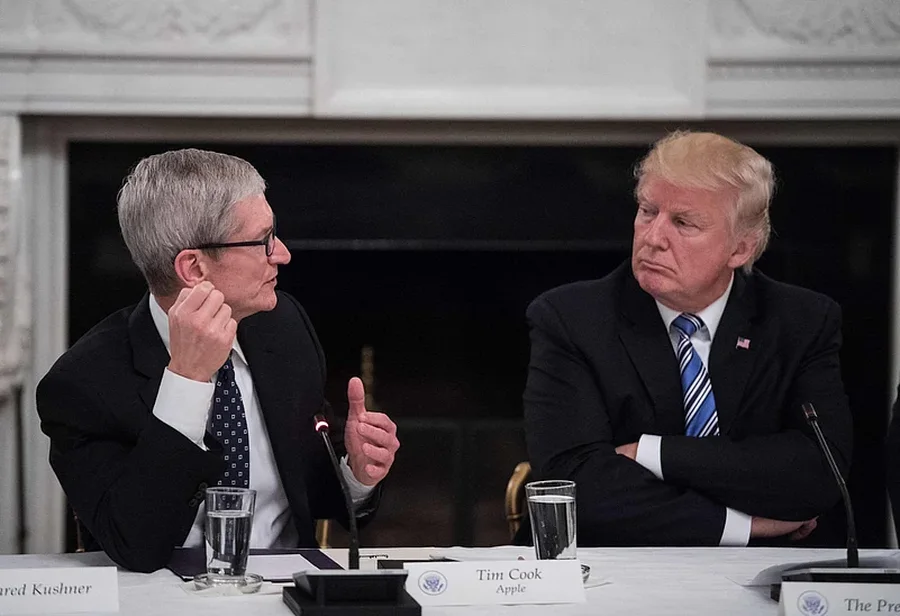
Donald Trump has criticized Apple's plans to produce more iPhones in India as a way to avoid US tariffs on goods made in China, as he continues to push the technology group to produce its best-selling device in America.
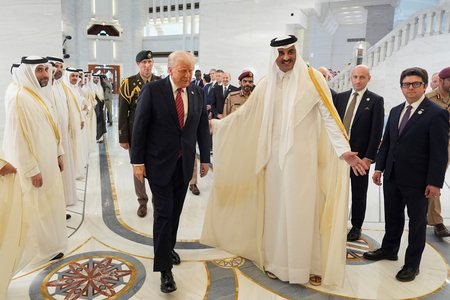
Speaking in Qatar on the final leg of his Middle East tour, the US president said he had "a little problem with Tim Cook yesterday" after the Apple CEO confirmed last week that Indian factories would supply the "majority" of iPhones sold in the US in the coming months.
The Financial Times previously reported that Apple planned to source over 60 million iPhones sold annually in the US from India by the end of next year, which was well received by Trump.
"Cook, we've been treating you very well, we've been putting up with all the factories you've been building in China for years. We're not interested in you building in India ," Trump said.
He claimed that Apple would increase its production in the United States after the conversation. Apple did not immediately respond to a request for comment. Trump's comments are the latest sign of a cooling in the president's relationship with Apple, one of America's most valuable companies.
Speaking at an event in Riyadh this week after announcing a multibillion-dollar deal to sell hundreds of thousands of Nvidia processors to a new artificial intelligence project in Saudi Arabia, Trump praised the chipmaker's CEO, Jensen Huang, from the stage, saying: " Tim Cook is not here, but you are ."
In February, Apple pledged to spend $500 billion in the US during Trump's four years in office, including manufacturing chips and servers for artificial intelligence.
But the company faces major challenges in replicating its extensive supply chain and Chinese manufacturing plants in the US, which rely on a skilled, high-tech manufacturing workforce that is now largely concentrated in Asia.






Lini një Përgjigje