


 Shkruar nga Pamfleti
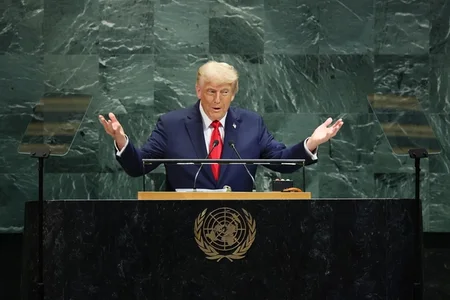
The latest Pew Research poll released in the US found that 37%, just over a third of Americans, approve of Trump's performance. Gallup's last update in December put him at 36%, with a disapproval rating of 59%.
These numbers are not good for any leader, in any country, but Trump, whose actions during his first year in office, both domestically and internationally, have been controversial, is not entirely unpopular.
What is lowering his approval rating is his image among Democratic supporters, who are unlikely to switch their vote to either Trump or the Republican Party. Trump enjoys single-digit support among Democratic voters.
On the other hand, his support among Republicans remains positive. Although it has fallen since the beginning of his term, more than half still appear to support his approach, according to Pew.
Trump continues to preside over a hyper-partisan America
Despite the national numbers, Trump's control over the Republican Party remains significant, mainly as the emblematic figure of the MAGA movement, which evangelizes its long-held mantra of "America First."
“We have a president who, historically, lacks support,” said John Mark Hansen, a political scientist at the University of Chicago.
“The support he has seems to be unwavering: there seems to be nothing that could possibly turn back 80-85% of Republican voters.”
Trump has been able to govern his first year virtually unopposed thanks to Republican control of the U.S. Congress and a 2024 Supreme Court ruling granting broad immunity to the presidency. That could change after the November midterm elections, in which all 435 seats in the House of Representatives and a third of the Senate are up for grabs.
While he has implemented the sweeping tariffs and tough immigration policies he promised during his campaign, his promise to curb inflation, improve the cost of living, and boost the economy overall remains to be seen.
"A president's popularity is never higher than in his first year," Kathryn Dunn Tenpas, an expert on the presidency and Congress at the Miller Center at the University of Virginia, told DW.
“Over time, a president’s popularity tends to decline, in part because he has made extravagant promises that he cannot deliver. And at the same time, in the case of President Trump, I think what has happened is that Americans are very concerned about the economic situation and the state of their wallets,” she said.
Mbështetja nga votuesit e moderuar që nuk identifikohen si republikanë ose demokratë, dhe që ndihmuan në ngritjen e Trump-it në Shtëpinë e Bardhë, ka rënë gjithashtu. Sipas të dhënave të Gallup-it nga dhjetori, vetëm një në katër të pavarur e miratuan performancën e Trump-it.
Ndërsa çështje të tilla si qasja agresive – tani vdekjeprurëse – ndaj bastisjeve të emigrantëve në zonat urbane mund të zemërojnë votuesit me prirje të majta, Tenpas tha se këto pika tradicionalisht të forta për Trump mund të armiqësojnë amerikanët e qendrës dhe të djathtën e moderuar.
“Sigurisht, shumë demokratë janë veçanërisht të shqetësuar për atë që po ndodh në Minnesota dhe qytete të tjera në të gjithë vendin ku është vendosur ICE,” tha Tenpas. “Përsa u përket të pavarurve dhe ndoshta republikanëve që nuk janë besnikë ndaj Trump-it, mendoj se ata po bëhen gjithnjë e më të pakënaqur me atë që po ndodh.”
Republikanët aktualisht kontrollojnë Dhomën e Përfaqësuesve dhe Senatin, por një referendum për Trumpin do t’i shqetësonte aleatët e tyre në Kongres se një dyzinë garash thelbësore të papërcaktuara midis kandidatëve republikanë dhe demokratë mund të ktheheshin në favor të kundërshtarëve të tij dhe ta bënin të humbiste kontrollin e Dhomës.
Pak gjasa që ndërhyrjet në botën e jashtme të tërheqin vëmendjen e votuesve
Pas një viti në post, Trumpi ka treguar se është ende në gjendje të irritojë homologët e tij ndërkombëtarë dhe ta lërë rendin botëror në një gjendje të pasigurt.
Tarifat e tij kanë tronditur tregtinë globale, shkurtimet e tij në ndihmën e huaj kanë përmbysur dekada të tëra progresi në zhvillimin ndërkombëtar, dhe sulmet e tij ndaj Iranit dhe veprimet e tij kundër ish-presidentit të Venezuelës kanë tensionuar më tej opinionin publik. Veprimet e Trumpit i kanë habitur ata që e shohin atë si figurën emblematike të një Amerike izolacioniste, dhe propozimi i tij për të aneksuar Groenlandën dhe Kanadanë si territor të SHBA-së ka zemëruar aleatët e tij të vendosur.
Imazhet e bastisjeve të ICE-së të kryera nga administrata e tij kanë tërhequr gjithashtu vëmendjen globale. Por vëzhguesit thonë se këto çështje zbehen në krahasim me shqetësimet kryesore të brendshme që ka të ngjarë të zënë vend qendror para zgjedhjeve të mesit të mandatit. Trumpi rrallë është prekur nga perceptimet jopopullore jashtë Shteteve të Bashkuara. Brenda vendit, ai ka qenë më fleksibël, siç dëshmohet nga retorika e tij e fundit në lidhje me “shtensionimin” e bastisjeve të ICE-së.
SHBA: Trump do të “shtensionojë” pas të shtënave vdekjeprurëse në Minneapolis
“Pothuajse gjithmonë, ekonomia është çështja numër një,” tha Todd Belt, politolog në Universitetin George Washington, duke shtuar se ekziston një përjashtim.
“Në masën që politika e jashtme do të ndikojë në zgjedhjet e mesmandatit, fakti që administrata aktuale po përqendrohet në çështje të tjera në vend të çështjeve të brendshme po dëmton imazhin e saj. “
Tenpas agrees, but said that raids on immigrants within the country could also influence voters: “I think events like those in Minnesota, Chicago, Los Angeles, sending in troops, ICE, are more memorable in the minds of voters.”
What seems clear is that, a year after taking office and just over 10 months before the midterm elections, Trump has ample time to change the narrative.
“The election is still a long way off, and Americans’ opinions […] about politics are temporary,” Belt said. “What’s news one day may not be news the next.”
"And the president is a master of distraction, which works in his favor, because even though we're talking about immigration now, in October we could be talking about something very different," he added./ DW




Lini një Përgjigje