


 Shkruar nga Pamfleti
"Iranian Batak" includes Trump's successors: Vance on the front lines, Rubio amid pressure on NATO
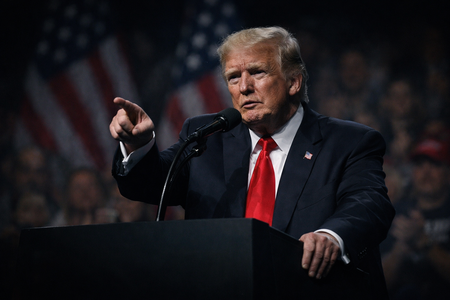
The crisis with Iran is becoming a major political test for the two figures that Donald Trump has projected as his successors: Vice President JD Vance and Secretary of State Marco Rubio. Both are directly involved in a situation that, according to media assessments, is taking on the characteristics of a "failed ceasefire", creating tensions not only globally, but also within the American conservative MAGA camp itself.
The most complicated role has been entrusted to JD Vance, who, according to recent reports, has been placed in charge of the negotiations with Iran, mediated by Pakistan. This development comes at a time when Vance himself is considered one of the strongest voices against military intervention, associated with the isolationist wing of the “America First” doctrine.
During his political career, Vance has been an outspoken critic of the US's long military engagements in the Middle East, calling them "endless wars." He has been identified with Trump's approach in 2015–2016, when the latter opposed the interventions of previous administrations. According to some reports in the US media, Vance has also tried to convince Trump to avoid military involvement in Iran.
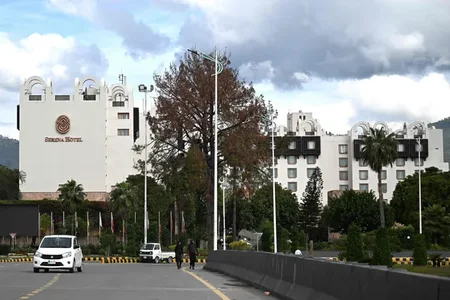
However, he is now at the center of the diplomatic process, in a role that faces many challenges. It is not clear whether he will physically travel to Islamabad, as there are security concerns, while he was recently in Budapest in support of Hungarian Prime Minister Viktor Orbán.
The situation is further complicated by divisions within the American conservative camp itself. Part of the MAGA base and influential figures like Tucker Carlson and Megyn Kelly accuse Israeli Prime Minister Benjamin Netanyahu of “sabotaging the ceasefire,” stressing that the continuation of military operations in southern Lebanon is undermining the negotiations.
On the other hand, the Trump administration is taking a closer stance towards Israel. The US president has stated that Lebanon is not included in the agreement, thus supporting Netanyahu's line. This puts Vance in a difficult position between domestic political pressure and the official White House line.
In this context, Vance has signaled a possibility for a reduction in tensions, hinting that Israel could “suspend operations” in Lebanon, but without directly contradicting Trump’s position. However, the negotiations begin on difficult terrain and with low expectations.
The crisis is also taking place in an unusual climate within the United States, where public opinion has shown opposition to the war from the very beginning. Unlike previous conflicts such as Vietnam or Iraq, where opposition grew over time, this time skepticism has been immediate.
At the same time, a more aggressive wing within American politics accuses Trump of backing down prematurely, "leaving work unfinished" and giving Iran room to exert pressure in the Strait of Hormuz.
While Vance faces this multiple pressure, Marco Rubio's role appears more withdrawn, but no less important. As Secretary of State and simultaneously head of the National Security Council, he has contributed to maintaining a common front with Arab countries and to the diplomatic isolation of Iran at the UN.
However, Rubio has also been involved on another sensitive front: relations with NATO. In a meeting with Secretary General Mark Rutte in Washington, the US administration signaled measures against European allies that did not support operations against Iran.
According to the White House's logic, Europe benefits most from the security of energy routes like the Strait of Hormuz, but has not contributed proportionately. In this context, the possibility of closing some US military bases in countries like Spain and relocating troops to more pro-American countries like Poland and the Baltic states has been discussed.
This situation brings back familiar historical tensions within NATO, reflecting divisions that have also emerged in previous crises, from the Yom Kippur War to the 2003 intervention in Iraq.
Current developments show that the crisis with Iran is not only a geopolitical issue, but also a test for the internal political balances in the US and for transatlantic relations, while negotiations remain uncertain and complicated. /Adapted from “Corriere Della Sera”


Lini një Përgjigje