


 Shkruar nga Andi Bushati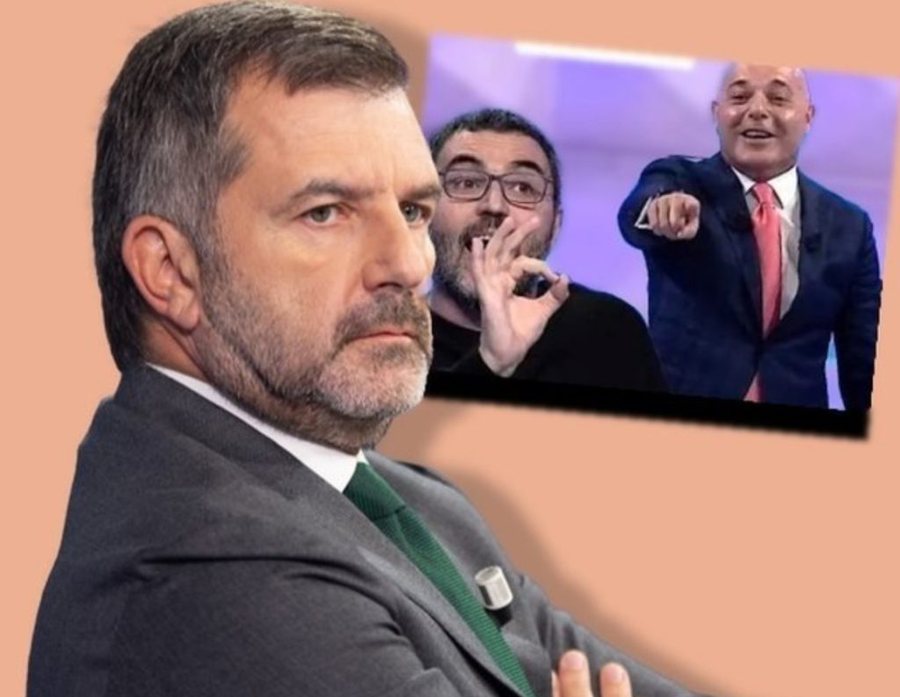
Since 2015, after I had a conflict with Alexander Frangaj, moreover not on issues that were exclusively related to the Klan, I have never set foot in this media. None of those who invited me before had the courage to do so again. My friends, with whom we continued to drink coffee or a glass of wine and maintain the same relationships, were afraid to open those doors to me again...
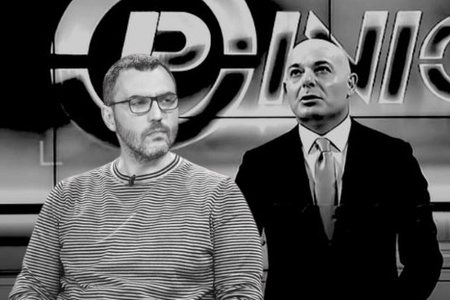
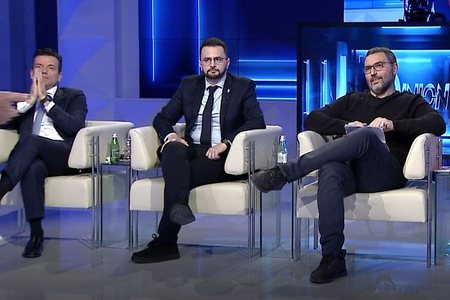
An "Opinion" show planned to reveal the platforms of four new parties, turned on Thursday evening into a strong conceptual clash between the leader Fevziu and the co-head of the movement Arlind Qori, who, thanks to his insistence on his idea, left them in shadow colleagues-rivals.
The essence of the conflict suddenly became the reality in the reflection of reality, in the selection of themes and characters from the big televisions. Put in the simplest possible way, Qori claimed that he was censored because his ideas ran counter to the interests of the owner of the Klan and the oligarchic group he represented in the media. Fevziu replied that no one but him had the right to invite or not invite someone and that he was the only one who decided in that studio, based on the audience.
So, despite the jokes, the constant raising of the voice, the call for help of third-party citations, the heart of the problem that was debated was: to what extent do media bosses interfere in editorial policies? How far do they extend their tentacles? Do they go as far as eliminating characters or announcing taboo topics and ideas?
In this debate, I want to say that I am 100% with Arlind Qori. Firstly for deeply personal reasons and secondly as someone who has the privilege of seeing our media system inside and out.
Let's start over. I was together with 6-7 colleagues and businessmen, one of the founders of what would later become the KLAN media group. I have been active since 1997, as a journalist, magazine editor, TV show host, and for years I have contributed as a guest to a large number of these media shows. But since 2015, after I had a conflict with Aleksandr Frangaj, moreover, not on issues that were exclusively related to the Klan, I have never set foot in this media. None of those who invited me before had the courage to do so again. My friends, with whom we continued to drink coffee or a glass of wine and maintain the same relations, were afraid to open to me those doors that I had easily entered before. Not in TV shows, not in the news, not for political talk, nowhere. For me, suddenly, the media in the birth of which I had modestly contributed, turned into the fence of a "land of xanun".
Kur e kujtoj këtë më vjen në mendie një shprehje që e kisha dëgjuar rëndom në koridore: “është i padëshëruar në Klan”. Pra thjeshtë e ka futur pronari në listë të zezë. Pikërisht sepse di këtë e besoj Arlind Qorin, kur citon Arian Çanin, ti ketë thënë publikisht se “ty kishim urdhër të mos të ftonim”.
Por pavarësisht nga rastet personale të Arlindit, Fevziut, Çanit, apo timit, kjo temë është shumë më e gjërë. Në thelb ajo ka të bëjë me të drejtën për ta ushtruar të lirë dhe të pavarur këtë profesion. E këtu, për mënyrën si u pozicionuan në emisionin e mbrëmshëm, Arlindi dhe Blendi, e drejta anon plotësisht nga Qori. Ai nuk u mor vetëm me Klanin. Denoncimi i tij ishte për sistemin. Ai përmendi në mënyrë absurde rastin e Top Channel, që transmetonte kryeministrin duke e sulmuar personalisht për protestat e pensionistëve, por nuk i pasqyronte fare ato protesta. Ai kishte në bagazhin e tij një fushatë elektorale ku denconcoi me imazhe dhe me emër çdo kullë të oligarkëve në Tiranë dhe nuk u transmetua as një sekondë të vetme nga TV e mëdha.
Gabimi i Fevziut ishte se në përpjekje për të fituar debatin, u vu në rolin e mbrojtësit të sistemit. Shprehje si “boll me politikanët që fajsojnë gaazetarët”, “u bëtë edhe ju të rinjtë si të vjetrit”, “askush nuk nuk ka të drejtë ti kërkojë llogari reporterëve që qëndrojnë me mikrofon në dorë”, “askush nuk telefonon për të përcaktuar të ftuartit në studio”, të linin të kuptoje se në këtë vend gazetaria e lirë nuk është e kërcënuar nga pushteti financiar dhe vendimarrës i pronarëve.
Në fakt, e vërteta është ktejt e ndryshme. Këtë e sheh dhe vetë shikuesi që vëren se, ditën kur plas skandali 5D, askush nuk guxon të flasë për Erion Veliajn dhe drejtorët e tij. Por, kjo nuk është një gjë që shihet thjeshtë me sy të lirë.
Pothuajse të gjithë organizmat e besueshëm ndërkombëtarë që monitorojnë lirinë e mediave, flasin për televizionet e kontrolluara nga 5 familje që zotërojnë mbi 90% të audiencës televizive. “Reporterët pa Kufi” (shiko linkun me poshte) që e rrokullisën poshtë e më poshtë në klasifikimin e tyre të përvitshëm Shqipërinë, duke e renditur të fundit në Ballkanin Perendimor, si një nga arsyet e këtij degradimi vërenin pronësinë e TV-ve që udhëhiqen nga kompani që marrin favore nga shteti në sektorin e ndërtimit. Ndërkohë një koalicion prej shtatë shoqatash për lirinë e mediave vërente në konkluzionet për vendin tonë se “…ndërhyrja e drejtpërdreejtë e pronarëve në pavarësinë editoriale është e lartë dhe disa çështje apo tema të ndjeshme konsiderohen të palejueshme për gazetarët”.
So, no more examples are needed to show that our big media have turned into kiosks to solve the family and financial problems of a handful of bosses. They do this in the lowest way and to the detriment of the public interest, serving the next ruler. They have reached ridiculous records, when it snows in Theth, they report this through the Facebook of the head of the government, while when a foreign magazine writes about Ksamil, it is reported that Edi Rama has also reposted its link.
Today, our screens have turned into servants of tapes ready for the skits they prepare with the help of subordinate actors, Lali, Bela, or Edi. Therefore, the debate cannot simply be reduced to the fact of how many times Qori has stepped into Fevzi's studio in recent years. This is only the symptom of a deeper disease: that of the overwhelming part of our media that have lost the mission of mutual and true information.
Unfortunately, many guests in the show's studio also fell into this trap, telling the leader of the Bashke movement "what do you need, the media is private", or "become a factor and then ask to appear on TV". To them and to Fevziu, Arlindi was right when he invited them to point the finger at a discredited system. Of course, he remained in the minority in the studio - which reinforces his thesis -, but I believe that this was not the case for the public who sees the degradation of our televisions every day.
*Editorial title. Original title: Why Arlind Qori was right in the debate with Fevziu


Lini një Përgjigje