


 Shkruar nga Ylli Pata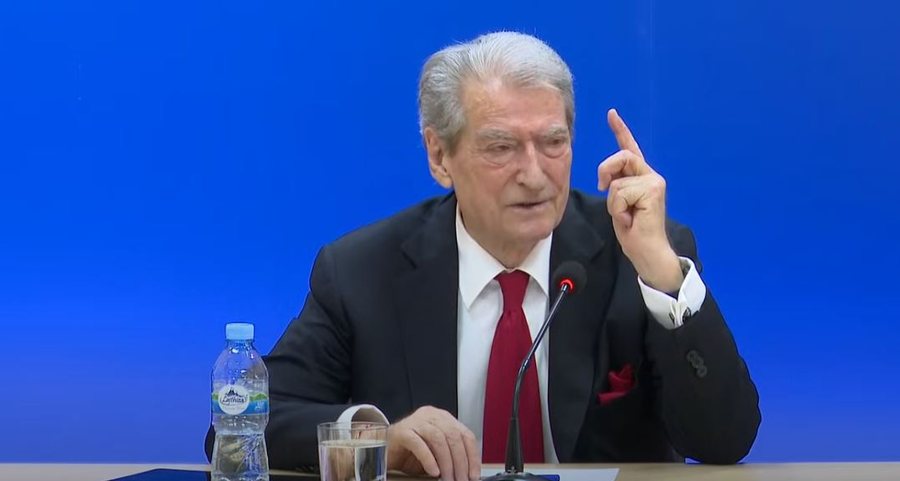
The DP has never taken the initiative regarding the implementation of the recommendations of the OSCE/ODIHR reports.
In the PR offices and Sali Berisha's entourage, various fables are being produced about "international" reports that, according to them, have overturned the May 11 elections.
The aim of this narrative is clear, to produce a story to close or overlap with the demands and critical attitudes towards Berisha, where he is being asked to resign after his heavy defeat in the elections.
However, to analyze a case, comparison is helpful. Regarding the fable of the media close to Berisha, the panelists and politicians in his entourage, one should simply look at the cases of international positions on elections in different countries, especially with problems on democracy.
The most recent cases where elections have not been recognized by the West and have been overturned as such are Venezuela and Belarus.
Where clearly, all governments from the US to all EU countries did not recognize the elections and considered that the winner of the elections in Venezuela was not Nicolas Maduro, the current president, but the leader of the opposition, Juan Guaidó. Who is recognized by the West as the legitimate "de jure" President.
Meanwhile, in Belarus, Alexander Lukashenko is considered an illegitimate President, while Sviatlana Tsikhanouskaya is considered the winner.
The stance towards these countries was political, as even international reports say that the elections were manipulated and stolen.
Let's get back to Albania. There has been a tendency since the 2015 local elections, where the Democratic Party and their media supporters have been reading the OSCE-ODIHR report with a magnifying glass.
This is a very positive thing, but it happens that it is used only to see the side when criticizing the measures or decisions of the government. Meanwhile, on the other hand, the opposition, namely the DP, has never taken the initiative regarding the implementation of the recommendations of the OSCE/ODIHR reports. Which require a non-partisan election administration, the use of technology and the reduction of polarization. And so on and so forth.
Sali Berisha's enemy in the 1996 and 2009 elections, British diplomat Audrey Glover, became beloved and well-liked by the opposition, for her report on the 2015 local elections.
ODIHR reports are prepared by professionals with extensive experience in observing elections around the world, even in the US, where there is quite harsh criticism in the relevant reports.
Gjithsesi, të rikthehemi tek ne. Në zgjedhjet e vitit 2009, kur Sali Berisha fitoi për pak vota dhe nuk mori shumicën për të formuar qeverinë, raporti OSBE-ODIHR theksonte e bardha në të zezë: "Në mbi 1/3 e Vendeve të Numërimit, votat u numëruan keq dhe shumë keq. Po ashtu në zgjedhjet vendore të 2011 raporti i ODIHR, që drejtohej nga një amerikan, theksoi se vendimi i Arben Ristanit për të rinumëruar “votat në kutitë e gabuara” nuk ishte bërë sipas Kodit Zgjedhor.
Megjithatë, edhe pse kronika e këtyre raporteve është bërë nga gazetarët e kronikës së kohës, ato janë lexuar gjithmonë sipas midesë politike, ku njëra palë shikonte të mirat e tjetra të këqijat.
Por, lakmusi shqiptar për të lexuar qëndrimin ndërkombëtar për zgjedhjet në vend, janë zgjedhjet e 26 majit 1996.
Në ato zgjedhje, kreu i misionit ishte Madam Audrey Glover, “Zonja e Hekurt” e vëzhgimeve zgjedhore në vendet ish-komuniste, një njohëse par-exellanxe e mënyrës së hileve të vendeve anti apo quasi demokratike.
Edhe pse zgjedhjet e 1996, pra të 26 majit u braktisën nga opozita shqiptaret në 11 të paradites, pra 4 orë pasi kishte nisur procesi, vëzhguesit e ODIHR qëndruan sipas planit të tyre në ata zona ku ishin ndarë. Dhe bënë raportin e tyre, ku thuhej se zgjedhjet ishin një maskaradë nga përgatitja në administrim. Rezultati thuhej se u deformua nga komisionerët e PD-së që ishin të eksituar nga ikja e opozitës.
Por ç’ndodhi? Pikërisht në kohën kur mbahej konferenca e shtypit e misionit vëzhgues të OSBE/ODIHR, dy ditë më pas më 28 maj, opozita tentoi të mbajë një manifestim në Sheshin “Skënderbej”, pikërisht poshtë dritareve të Hotel Tirana, ku zhvillohej edhe konferenca e shtypit.
Sali Berisha, atëherë President i vendit urdhëroi policinë dhe forcave speciale t’i hyjë në dru politikanëve opozitarë. Imazhet e asaj dite bënë xhiron e botës dhe i kemi parë të gjithë. Profesor Servet Pëllumbi i rrahur së bashku me një gazetar spanjoll të gjakosur, Blendi Gonxhe që tërhiqej zvarrë në pllakat e sheshit, Arben Imami që goditej me egërsi, Gaqo Apostoli që goditej me shkop gome në kokë dhe shkulej nga flokët etj, etj.
Dhuna e Berishës, edhe pse me një operacion kaotik dhe të organizuar keq nga drejtuesit dhe zbatuesit e hurit si “gomari në duhan”, nuk ishte aq spontane dhe e pamenduar. Ishte e menduar, pasi kërkonte të jepte një sinjal ndaj ndërkombëtarëve, se nuk ka ndërmend të tërhiqet.
Për të parë një model i rrëzimit të zgjedhjeve duhet lexuar raporti i ODIHR, në pjesën “Konkluzione”, ku thuhet “Kodi Zgjedhor është shkelur në mënyrë flagrante. Zgjedhjet janë kompromentuar, janë shkelur 32 nga 79 nene të Kodit Zgjedhor”.
Megjithatë, SHBA dhe BE ofruan një zgjidhje të mesme: duke i njohur fitoren dhe të drejtën qeverisëse Partisë Demokratike, por duheshin përsëritur votimet në 40 zona zgjedhore, që nxirrnin 40 deputetë.
Sali Berisha, who was seeking a second presidential term, feared that we were dealing with a Western coup. A coup that consisted of the opposition winning in 40 areas and Berisha losing the majority to be re-elected and to change the Constitution.
According to CEC figures, the DP had 122 MPs, and if 40 were removed, the DP would be left with 82 MPs. That is, it had the right number to govern, but not the right majority to elect the head of state.
As is known, Berisha slammed the door in the face of President Clinton's envoy and what happened happened. But essentially, even in 1996, when the OSCE-ODIHR report emphasized that the elections were a massacre.
Even in 2001, when "Dushku" occurred, meaning the elections were repeated in a third round, in only one area, where in addition to the MP in the majority, 7 also emerged from the proportional list, the OSCE/ODIHR report identified this case as a violation.
The US and the EU, although they recognized the victory of the Socialist Party in the elections, did not recognize the majority to elect the head of state alone, so they sought consensus, which happened with the consensus to elect President Alfred Moisiu.
Currently, in the May 11 elections, Edi Rama has been congratulated on his victory by almost all EU governments, even nominally by the prime ministers of these countries, while the US embassy distributed a statement congratulating the Albanian people on the May 11 elections. Which implied a neutral stance, but political recognition of the parliamentary elections.
Of course, the choir will continue to beat the drums of "electoral massacre", but if that were the case, then Sali Berisha, the leader of the opposition, would be in asylum in the West, like the opposition leaders of Venezuela or Belarus.
On the contrary, our opposition leader, not only is not sheltered by the West, which recognizes his colleagues as legitimate leaders and protects him from anything bad happening to him, but he has been declared Non Grata by the US and Great Britain.


Lini një Përgjigje