


 Shkruar nga Pamfleti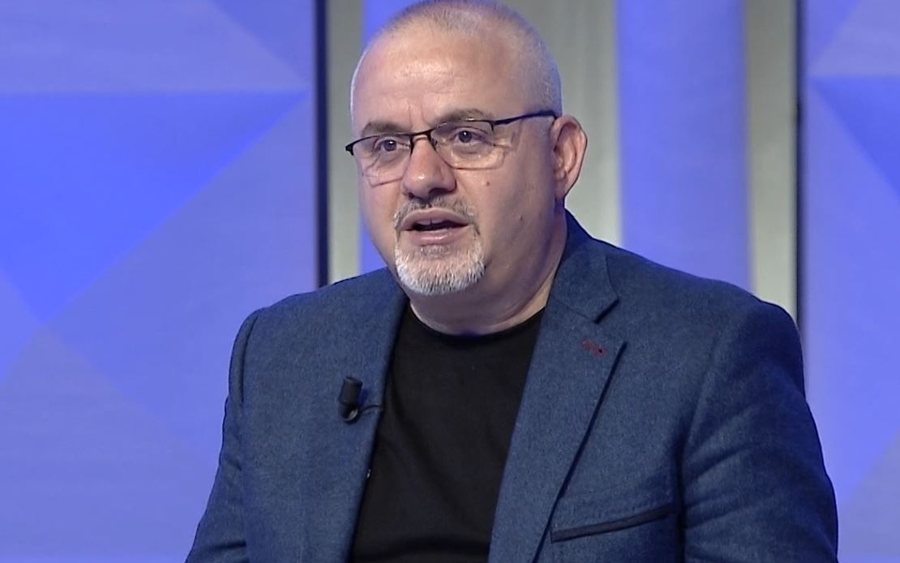
Investigative journalist Artan Hoxha recounted his first experience in Iran, in 2008. He described the tense relations between the local population and foreigners during those years, and the impact of the vigilante mentality he witnessed during his trip. Hoxha highlighted the welcoming welcome he received from the Iranians, but also their perception of foreigners as potential imperialist agents.
Hoxha recalled that during his stay there he had also witnessed a macabre event: a public execution where eight people were hanged. According to him, four of them were accused of collaborating with Israel, and the sentences were carried out openly in front of a crowd. He described this scene as a violent manifestation of state dogma that extended into politics and society.
Hoxha also commented on A2 CNN on the regime's role and Iran's strategic importance in the global arena, linking its position not only to internal dogmas, but also to the vast natural resources that the country possesses.
Hoxha: It reminded me of Albania before the '90s. They were a very vigilant people with foreigners. They were very hospitable, but they reported anything suspicious they could see. We had a presence there, mostly students. They are a large population, a nation with history and culture, but the dogma that was there was radical and strong. They said that we do not want our wealth to be exploited by imperialists, Americans, Russians... But, I happened to be present at the execution. It was a Saturday and they announced it. They hanged 8 people. They hanged 4 as collaborators of Israel and these executions were done in public.
It was a regime that, using dogma, was kept afloat. Iran today is the second country in the world for gas reserves and the third for oil reserves. It is no coincidence that the first country for oil reserves was Venezuela and Maduro ended up where he ended up. It is a country with extraordinary resources. That is what has made Iran so important.



Lini një Përgjigje