


 Shkruar nga Pamfleti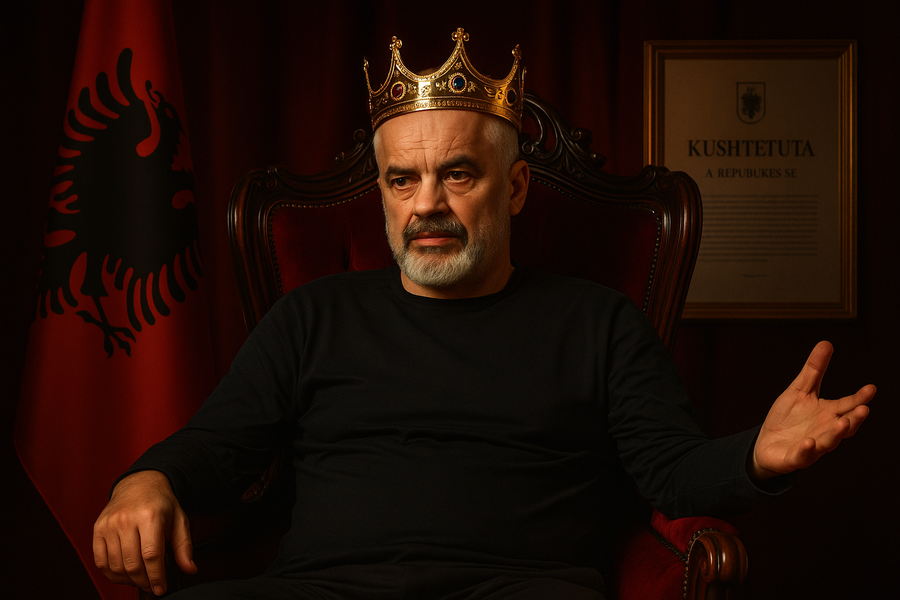
Albania in the hands of one man: The fourth mandate that endangers democracy...
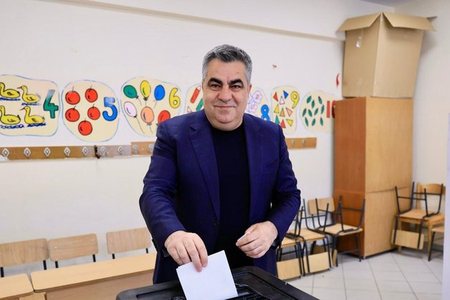
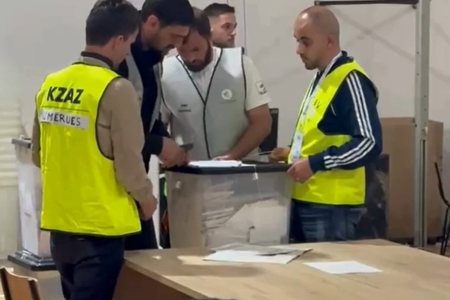
The result of the 2025 elections is not simply an electoral victory for the Socialist Party, it is a red light for Albanian democracy.
Edi Rama, taking power for the fourth time in a row and securing 83 seats in the Assembly – enough to pass any law without any blockage – is now more than a prime minister: he is a figure who commands all the links of the Albanian state, from parliament, to the budget, to the judiciary and the media.
If we also count the informal support from Tom Doshi's Social Democratic Party, then Rama has a qualified majority in his hands, which gives him the right to change even laws that require 3/5 of the vote, without the need for any negotiations with the opposition. This is the real danger: not victory as such, but what can be done with this absolute power.
In any democratic system, the strength of the majority must be balanced by the control of other institutions, but in Albania these balances have been assimilated or neutralized. The opposition is divided, the Parliament has become the government's notary, most of the media is either bought or intimidated, while the judiciary - although reformed - has not yet shown that it can hit the powerful. In this context, Edi Rama has everything to govern alone, without any brakes, without any real control. And when power is so strongly concentrated in the hands of a single man, the slide towards autocracy is not a matter of if, but when.
If we analyze comparisons with other similar regimes in the region, the similarities are alarming. Recep Tayyip Erdoğan in Turkey started as a reformer and ended as an autocrat, using elections to solidify his power and dismantle civil liberties. Viktor Orbán in Hungary changed the electoral system to favor his party and turned the Constitution into an instrument of personal power.
Aleksandar Vučić in Serbia used the media and the judiciary to eliminate any real opposition, turning parliament into a theater devoid of pluralism. Edi Rama, unlike these three, did not need to change the electoral system to win – he has turned Albanian politics into a closed structure, where power does not compete, but is self-produced.
Modern autocracy is not proclaimed by coup d’état – it is built by vote, by control of institutions, by relentless consumption of propaganda, and by systematic suppression of any independent voice. It masquerades as stability, it presents itself as “the people’s choice,” but in essence it is the unchecked rule of a single elite, which sees the state as a means to stay in power indefinitely.
In Albania, we already have all the elements: a leader who has passed every electoral test, an Assembly that can change any law, a judiciary that is still reluctant to touch power, and a society that is tired of resistance, that is falling apart between emigration and despair.
Are we facing an autocracy? Not according to written rules, but according to political reality. When power cannot be challenged, when the words of the minority are not heard, when everything is decided in the office of a single man, we are no longer in a parliamentary republic, but in a personal regime.
In the end, the problem is not Edi Rama as an individual, but the system that has allowed this concentration of power. His four mandates are not just electoral success – they are a warning siren for every citizen who still believes in democracy. And this warning cannot be ignored any longer. /Pamphlet




Lini një Përgjigje