


 Shkruar nga Pamfleti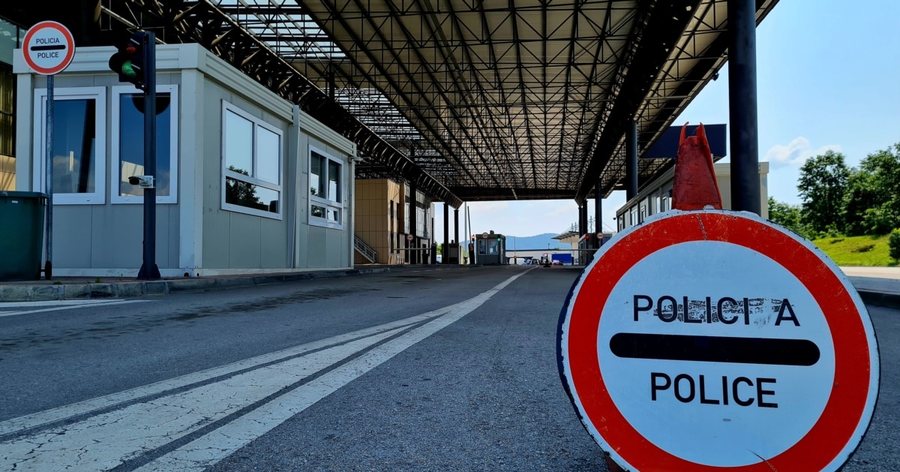
In Kosovo, strict implementation of the Traffic Law begins today, according to which vehicles with foreign license plates cannot circulate in the country for more than three months or on the basis of authorization.
This was confirmed to REL by the Deputy Director of the Kosovo Police for the northern region, Veton Elshani.
At the same time, strict implementation of the Law on Foreigners regarding personal documents begins.
According to him, all those who do not possess Kosovo documents will have to apply for a residence permit within 72 hours.
These measures will mainly affect members of the Serbian community living in Kosovo and who have so far driven vehicles with city license plates in Serbia on the basis of authorization, or did not have Kosovo documents.
The implementation of these two laws without exceptions was scheduled to begin on November 1st of last year, but the Kosovo Ministry of Internal Affairs extended this deadline until January 15th, 2026, to enable the development of an information campaign.
These measures by the Kosovo authorities, however, are facing criticism from the Serbian community - the civil sector and political representatives.
The Kosovo Police said that driving vehicles with foreign license plates on the basis of authorization is in violation of the Traffic Law.
However, until now, this practice has been tolerated to give citizens time to change their license plates.
Veton Elshani stressed that, from January 15, the police will enforce the law on the ground. He added that driving vehicles on the basis of authorization will be allowed only in emergency cases, but with a warning.
"For example, if someone goes to the hospital, we will not stop them and impound their vehicle immediately. But if the same person is stopped again in the following days, they may be fined up to 200 euros ," he explained.
Kosovo banned the circulation of vehicles with license plates with acronyms of Serbian cities at the end of 2022.
This measure caused the departure of some Serbs from Kosovo institutions and increased tensions on the ground.
Some members of the Serbian community living in Kosovo subsequently registered their vehicles with Serbian license plates and used them on an authorization basis.
This authorization includes the vehicle driver's identity card data, which is issued by Serbian authorities for cities in Kosovo, but which official Pristina does not recognize.
The law on foreigners may affect members of the Serbian community who do not have Kosovo documents, but live, work or study in Kosovo.
However, Elshani said that the law will not be strictly applied to those living in Kosovo and who for some reason do not have Kosovo documents.
“Ne nuk do t’i dëbojmë këta persona, nuk do t’i ndajmë nënat nga fëmijët apo baballarët nga fëmijët”, tha ai, duke shtuar se ligji do të zbatohet vetëm për ata që vijnë në Kosovë për turizëm, punë ose studime.
“Zbatimi do të bëhet gradualisht, nuk do të dëbohet askush menjëherë. Për shembull, nëse në orën 02:00 të mëngjesit policia takon dikë në rrugë dhe ai nuk ka dokumente kosovare, ai do të njoftohet që duhet të paraqitet në stacionin policor”, shpjegoi Elshani.
Në manualin “Udhëzuesi për hyrjen, lëvizjen, qëndrimin dhe punësimin e të huajve në Republikën e Kosovës”, i publikuar vitin e kaluar, shpjegohet procedura për marrjen e lejes për “qëndrim të përkohshëm, afatshkurtër ose të përhershëm”.
Vendimin për lëshimin e lejeve do ta marrë Departamenti për Shtetësi, Azil dhe Migrim i Ministrisë së Punëve të Brendshme të Kosovës.
Në Mitrovicë të Veriut funksionon një universitet që punon brenda sistemit të Serbisë, ku studiojnë ose punojnë shtetas të Serbisë. Po ashtu, punonjës nga Serbia ka edhe në institucionet shëndetësore në mjediset me shumicë serbe dhe në disa institucione kulturore.
Megjithatë, autoritetet e Kosovës nuk i njohin këto organe serbe dhe kanë mbyllur shumicën e tyre, përveç institucioneve arsimore dhe shëndetësore.
Të dhëna të sakta zyrtare se sa serbë jetojnë në Kosovë dhe posedojnë dokumente kosovare, nuk ka, pasi pjesëtarët e këtij komuniteti, kryesisht në katër komunat e veriut, e bojkotuan regjistrimin e popullsisë në vitin 2024.
Megjithatë, një raport i organizatës joqeveritare Aktiv nga viti 2024, me titullin “Analiza e trendëve dhe qëndrimeve të komunitetit serb”, nxori në pah se mbi 93% e 503 të anketuarve kanë dokumente kosovare.
Grupi i organizatave serbe joqeveritare ka theksuar më herët se ekzistojnë mijëra serbë të Kosovës që nuk mund të marrin dokumente kosovare, pasi “regjistrimi civil i serbëve të Kosovës, si dhe i pjesëtarëve të tjerë të komuniteteve joshumicë, është penguar për një kohë të gjatë”.
Autoritetet kosovare, në periudhën nga nëntori 2024 deri në prill 2025, u mundësuan serbëve në Kosovë ta marrin shtetësinë “më vonë”, duke pasur parasysh se disa nuk mund t’i merrnin dokumentet kosovare për shkak se posedonin vetëm dëshmi të lindjes, të lëshuara nga institucionet serbe, të cilat Prishtina nuk i njeh.
Lista Serbe - partia kryesore e serbëve në Kosovë që ka mbështetjen e Beogradit zyrtar - njoftoi më 14 janar se ka zhvilluar dhjetëra takime me përfaqësues ndërkombëtarë, lidhur me zbatimin e Ligjit për komunikacionin dhe Ligjit për të huajt, duke theksuar se ka hasur në mirëkuptim, por se nuk ka marrë përgjigje ndaj kërkesave të saj.
“Edhe gjatë ditëve të fundit, përfshirë edhe sot, kemi qenë në kontakt intensiv me përfaqësues ndërkombëtarë dhe kemi përcjellë shqetësimet e qytetarëve tanë, veçanërisht sa u përket pasojave të mundshme nga zbatimi eventual i këtyre vendimeve të dëmshme”, thuhet në reagim.
The Serbian List called on the Kosovo authorities to postpone the implementation of these "rules" again, in order to find a suitable model.
Other Serbian politicians also reacted strongly to these measures.
Nenad Rashic, leader of the Party for Freedom, Justice and Survival, which won a seat in the Kosovo Assembly in the last elections, declared on January 13 to the Kosovo public broadcaster that the measures should be postponed again, as “we are not sufficiently prepared.”
Millija Bisevac's Serbian National Movement, in October last year, sent an open letter to international embassies and missions in Kosovo, expressing concern over the announcement that the Law on Foreigners would be implemented "strictly."
Aleksandar Arsenijevic's Serbian Democracy demanded that the solution be found through dialogue for the normalization of relations with Serbia.
The Office for Kosovo in the Government of Serbia described these measures as "new escalating steps."
This office warned that, if the European Union and the Quint group do not react, "Belgrade will be forced to consider an adequate political and legal response to these drastic violations of the fundamental rights of the Serbian people through new unilateral and violent measures."/REL



Lini një Përgjigje