


 Shkruar nga Pamfleti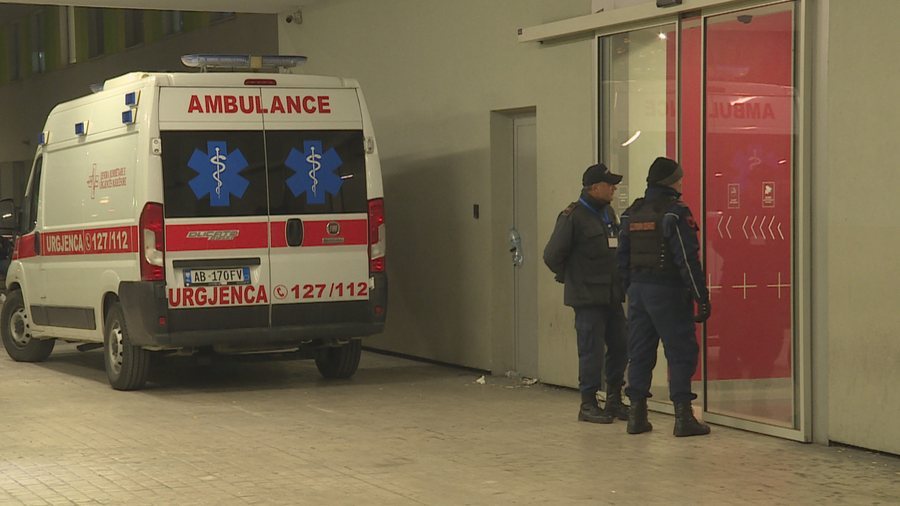
The scandal of the power outage at the QSUT and the malfunction of backup equipment risks repeating itself in the event of another similar breakdown or a collapse of the electricity supply lines.
The 17 generator sets that cover all the hospital buildings of the "Mother Teresa" University Center are currently without maintenance service. The QSUT Directorate, through an official statement, acknowledges that the generator maintenance contract with the private company has ended in 2025.
Although the QSUT does not state the exact time of the contract termination, it indicates that at the end of December it has followed the procedure for the new maintenance method. Meanwhile, according to the QSUT, the backup power equipment is currently being monitored by the technical staff of the hospital center.
-Which company deals with generator maintenance? When does the maintenance period end?
QSUT : Currently, the maintenance contract for the generators has ended and QSUT has taken measures and forwarded the new maintenance procedure to the Centralized Purchasing Operator at the end of December 2025. Currently, the systems are intensively monitored by the QSUT technical staff who are on standby 24/7.
Regarding the power outage on the evening of January 19, the QSUT explains why the central resuscitation generator was not put into operation. According to official information, this device failed to turn on.
- What went wrong on Monday evening when the Central Resuscitation Unit of the QSUT was left without power?
QSUT : QSUT was connected to the C 18(20kV) 110 kV line coming from the Traktora Substation. This substation had a breakdown at around 20:20 and left several areas of Tirana without electricity. At the moment of the power cut from the network, all the motor generators stationed in the buildings were automatically put into operation, including the generators of the A1 hospital, where the Central Reanimation is located. OSSH switched us to another line and the automation system of the A1 building did not accept the switch to the network after the phase control relay detected phase anomalies and the network↔generator automation entered lock-out. This is a protective reaction, a safety lock that the system performs in such cases, to avoid further damage. The technical staff immediately notified OSSH about the network anomaly, who took measures and reconnected us to the main C 18(20kV) 110 kV line of the Traktora Substation, which had been repaired. The technical staff, who were on full alert, removed the automatic system from lock-out and restored power to building A1.
20 years ago, the QSUT was supplied by three separate sources of electricity so that in case of breakdowns like the one on January 19, alternative lines could be put into operation. However, the QSUT directorate, asked by A2CNN why the other lines did not function, says that the hospital center, as an institution of special importance, is supplied by only two sources, which apparently, on the evening of January 19, both failed.
The intensive care units in the central resuscitation service were left without electricity for 30 minutes. This unusual situation caused chaos and panic among medical staff and patients' families.
The 30 patients, including 10 intubated, were urgently moved to the cardiology service until power was restored. The failure of the QSUT with the power blackout at the country's largest hospital fortunately caused no casualties. / A2CNN







Lini një Përgjigje